#1 FERTILITY EXPERT: Top Foods & Supplements to Boost Fertility | Iman Hasan
Dr. Josh AxePublished on November 6, 2025
Summary authored by editor@wellifi.com
TLDR Summary
Infertility rates are rising among both men and women, primarily due to nutritional deficiencies and lifestyle factors. By focusing on a nutrient-rich diet, lifestyle changes, and emotional well-being, couples can enhance their fertility and improve their chances of conception.
Key Points
- Infertility rates have risen significantly in both women (84%) and men (50%).
- Nutritional deficiencies, particularly in Vitamin D, Zinc, and Magnesium, are common among couples facing infertility.
- An anti-inflammatory diet rich in whole foods can enhance fertility.
- Lifestyle changes, including stress management and exercise, are critical for reproductive health.
- Women can improve egg quality through proper nutrition and specific supplements.
Understanding Infertility: Insights and Solutions for Couples
Infertility has become a growing concern in recent years, with statistics revealing a staggering 84% increase in infertility rates among women and a 50% increase among men. As couples face the challenges of conception, understanding the root causes and potential solutions is crucial. In this article, we will explore the relationship between nutrition, lifestyle, and fertility, drawing insights from experts in the field.
The Importance of Nutrition and Supplements
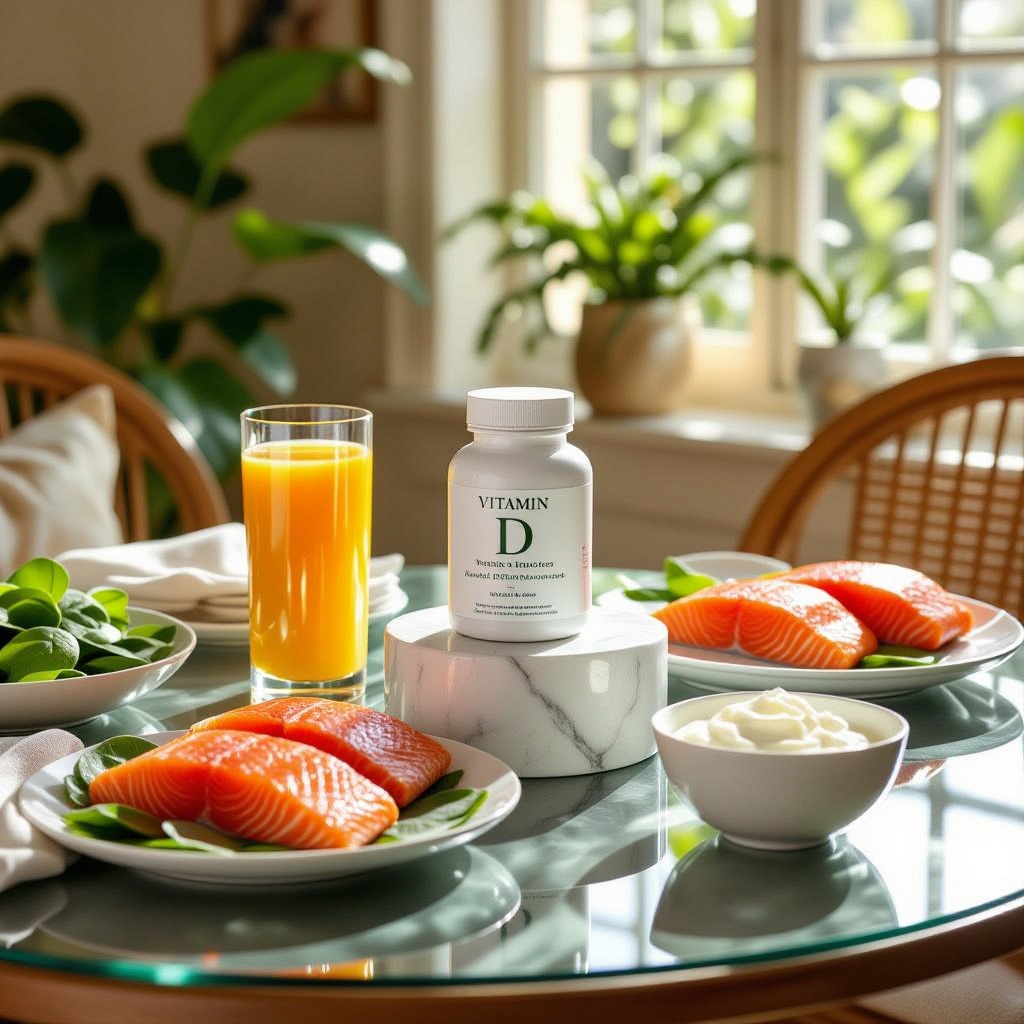
One of the primary factors contributing to infertility is nutritional deficiencies. Research indicates that 50% of couples experiencing infertility are deficient in vitamin D and other essential minerals like zinc, magnesium, and folate. These nutrients are vital for producing healthy eggs and reducing oxidative stress in the body.
Essential Nutrients for Fertility
- Vitamin D: Crucial for hormone regulation and reproductive health.
- Zinc: Supports sperm health and overall fertility.
- Magnesium: Important for hormone balance and reducing stress.
- Folate: Essential for DNA synthesis and healthy cell division.
Dietary Recommendations for Enhancing Fertility
To optimize fertility, experts recommend adopting an anti-inflammatory diet rich in whole foods. Foods that support reproductive health include:
- Leafy greens
- High-quality proteins (pasture-raised eggs, grass-fed meat, wild-caught fish)
- Nuts and healthy fats (avocados, ghee)
- Raw dairy, which some fertility dieticians recommend as it may act as 'fertilizer' for eggs
The Role of Lifestyle in Fertility
Beyond diet, lifestyle choices play a significant role in fertility. Factors such as stress, environmental toxins, and hormonal imbalances can adversely impact reproductive health. Some lifestyle considerations include:
- Avoiding microplastics found in common household items and takeout containers.
- Engaging in regular exercise, particularly strength training, to support hormonal balance.
- Practicing stress-reduction techniques such as meditation and deep breathing.
Natural Approaches to Improve Egg Quality
Contrary to the belief that egg quality declines irreversibly after age 35, research suggests that women can improve egg quality through a combination of diet, exercise, and supplementation. Some recommended supplements include:
- CoQ10: Supports mitochondrial function in eggs.
- NAD+ precursors (NMN and NR): Show promise in enhancing fertility.
- Rapamycin: May slow down ovarian aging and improve fertility outcomes.
The Emotional and Spiritual Aspects of Fertility
Infertility is not solely a physical issue; emotional and spiritual well-being significantly impacts reproductive health. Creating a nurturing environment, feeling safe, and fostering healthy relationships are essential factors in supporting fertility. Cultural practices that emphasize community support and holistic care can provide valuable lessons.
Conclusion
As infertility rates continue to rise, it is essential for couples to understand the multifaceted nature of fertility. By focusing on nutrition, lifestyle, and emotional well-being, couples can improve their chances of conception. With the right knowledge and support, it is possible to navigate the challenges of infertility and build a healthy family.