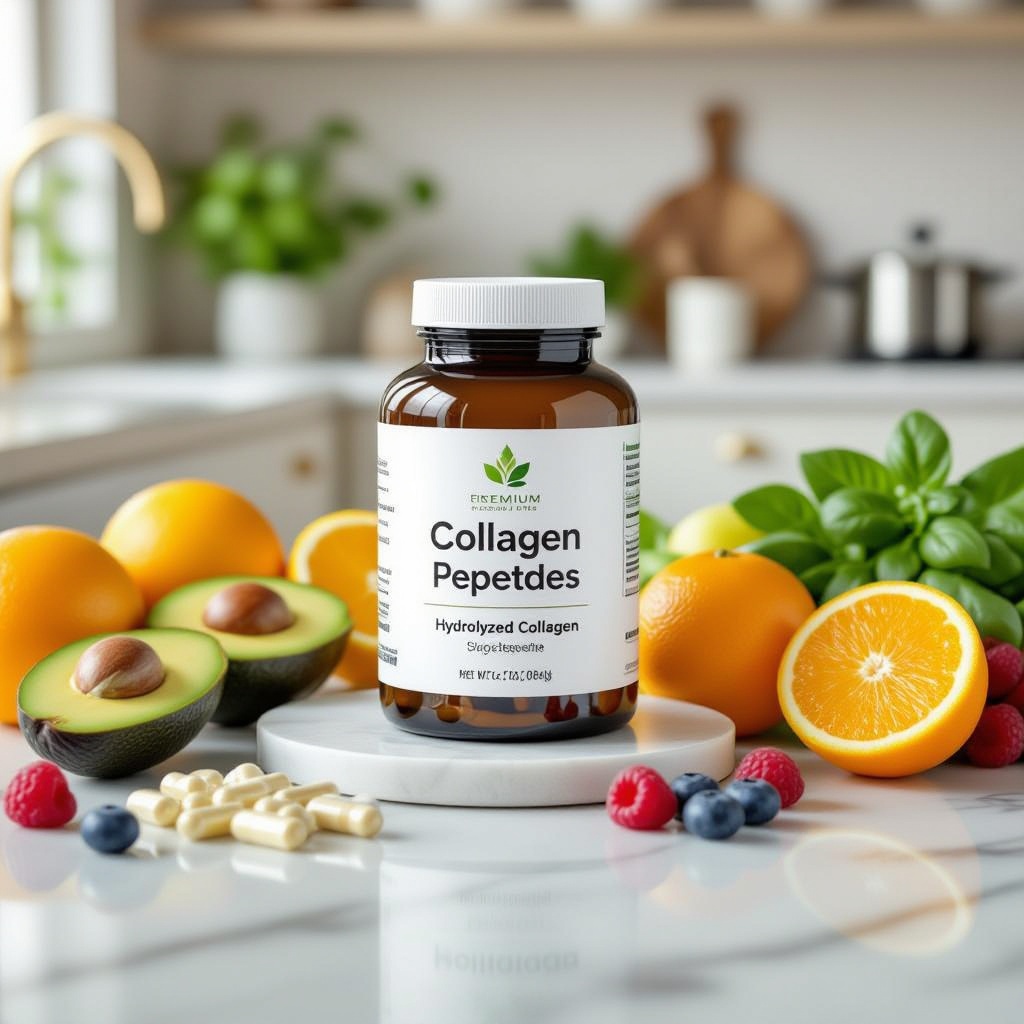
1 Scoop of This Protein Does What Whey Can’t Even Touch
Thomas DeLauerPublished on June 15, 2026
Summary authored by editor@wellifi.com
TLDR Summary
Collagen is a unique protein that offers distinct benefits for health, including improved sleep quality, enhanced connective tissue repair, and balancing amino acid ratios in high-protein diets. Incorporating collagen into your regimen can significantly boost overall health.
Key Points
- Collagen contains unique dipeptides that can enhance connective tissue repair.
- Timing of collagen intake, especially before workouts, can maximize its benefits.
- Glycine, found in collagen, is essential for sleep quality and cognitive function.
- High-protein diets can lead to a glycine deficit, making collagen supplementation beneficial.
The Essential Role of Collagen in Your Diet
When it comes to protein supplements, collagen often takes a back seat to more commonly recognized options like whey. However, recent research reveals that collagen plays a crucial role in our overall health that is often overlooked. In this article, we will explore the unique benefits of collagen, how it differs from other protein sources, and the best ways to incorporate it into your diet for optimal health.
Understanding Collagen
Collagen is a protein that has a distinct triple helix structure, which is different from other protein sources. One of the key components of collagen is hydroxyproline, an amino acid that is not found in muscle meat, eggs, or dairy. This uniqueness allows collagen to perform specific functions that other proteins simply cannot.
The Unique Benefits of Collagen
Collagen offers four primary benefits that set it apart from other protein sources:
- Bioactive Peptides: When collagen is digested, it survives as intact dipeptides that enter the bloodstream at significantly higher concentrations than other food-derived peptides.
- Timing and Performance: Consuming collagen before exercise can enhance collagen synthesis, particularly when paired with vitamin C.
- Glycine Availability: Glycine, a vital amino acid, is often in short supply in high-protein diets. Collagen supplementation can help replenish this crucial nutrient.
- Sleep Quality: Collagen, due to its glycine content, can improve sleep quality and cognitive function, making it a better choice before bed compared to other proteins.
Collagen and Digestion
The digestion of collagen differs from other protein sources. Studies have shown that collagen-derived peptides, such as pro-hyp, can peak in the bloodstream significantly faster than peptides from other proteins. This rapid absorption underscores the importance of timing when consuming collagen, especially in relation to exercise.
The Glycine Deficit
While our bodies produce glycine, the production is limited, leading to a deficit when consuming a high-protein diet primarily consisting of muscle meat. Glycine is essential for various bodily functions, including:
- Creatine synthesis
- Glutathione production
- Connective tissue repair
To combat glycine deficiency, consider incorporating collagen into your daily regimen. A serving of collagen can provide around 3 to 4 grams of glycine, helping to restore balance in your amino acid profile.
Collagen’s Impact on Sleep
Research indicates that glycine can enhance sleep quality. A study showed that taking glycine before bed improved sleep efficiency and reduced fatigue the following day. This makes collagen a valuable tool for those looking to improve their sleep, especially when consumed before bedtime.
Restoring Balance in a High-Protein Diet
Many modern diets emphasize high-protein sources, leading to an excess of methionine and a potential buildup of homocysteine, which can have negative health effects. Collagen supplementation can help restore the methionine to glycine ratio, aiding in the clearance of homocysteine from the body.
Conclusion
Incorporating collagen into your diet can provide unique benefits that other protein sources do not offer. Its role in connective tissue repair, sleep quality enhancement, and balancing amino acid ratios makes it an essential component of a well-rounded diet. If you're consuming over 100 grams of protein daily, adding collagen can significantly contribute to your overall health.
Consider pairing collagen with vitamin C for maximum effect, and explore options like bone broth or hydrolyzed collagen to meet your dietary needs.