33 Minutes to HEAL Your Hormones and Feel ENERGIZED Again | Cortisol | Dr. Josh Axe
Dr. Josh AxePublished on April 20, 2026
Summary authored by editor@wellifi.com
TLDR Summary
Chronic stress elevates cortisol levels, disrupting hormonal balance and leading to various health issues. Implementing strategies such as improving sleep, exercising outdoors, and taking specific supplements can help restore balance and improve overall health.
Key Points
- Chronic stress leads to elevated cortisol levels, disrupting hormonal balance.
- The cortisol steal prioritizes cortisol production over sex hormones.
- Four steps to balance cortisol include fixing sleep, outdoor exercise, waking up earlier, and optimizing diet.
- Recommended supplements for lowering cortisol include magnesium glycinate, ashwagandha, and saffron.
The Impact of Cortisol on Hormonal Balance
In today’s fast-paced world, many individuals find themselves caught in a cycle of chronic stress, often leading to elevated cortisol levels. A patient I once worked with was a prime example of this phenomenon. She was highly productive, finishing every task on time and receiving praise for her efficiency. Yet, whenever she attempted to rest, feelings of guilt and anxiety would wash over her. This scenario is all too familiar in a culture that glorifies constant hustle and productivity.
Our bodies, however, are designed to follow natural rhythms that include periods of work, rest, and recovery. When we neglect this balance, cortisol levels can rise, leading to what is commonly referred to as the "cortisol steal." In this article, I will explore how high cortisol levels can impact various hormonal functions, including hypothyroidism, menopausal symptoms, and testosterone levels in both men and women. I will also provide actionable steps, dietary recommendations, and supplements to help restore balance.
Understanding Cortisol
Cortisol is often known as the survival hormone. Its primary function is to mobilize energy in response to stressors, ensuring our body can react appropriately in times of danger. Unfortunately, when cortisol levels remain elevated due to chronic stress—such as overwhelming work obligations or financial pressures—it can disrupt the balance of other hormones, including testosterone, estrogen, and progesterone.
Prolonged high cortisol levels can lead to:
- Imbalanced sex hormones
- Increased blood sugar levels
- Insulin resistance
- Visceral fat storage
- Muscle breakdown
- Suppressed thyroid function
Understanding the cortisol steal is crucial. When the body is in survival mode, it prioritizes the production of cortisol over sex hormones, leading to a deficiency in essential hormones necessary for optimal health.
Steps to Balance Cortisol Levels
To reverse the effects of the cortisol steal, consider the following four steps:
1. Fix Your Sleep
Aim for 7 to 9 hours of quality sleep each night. Prioritize going to bed early, ideally before midnight, to maximize deep sleep. Deep sleep is essential for cellular repair and hormonal regulation.
2. Engage in Outdoor Exercise
Regular aerobic exercise, especially outdoors, can significantly lower cortisol levels and improve mood. Studies suggest that walking in nature can be more effective than antidepressants for alleviating stress.
3. Wake Up Earlier
Align your waking hours with natural sunlight. Getting outside for just 15 minutes in the morning can help regulate cortisol levels and improve sleep patterns.
4. Optimize Your Diet
Incorporate protein and fiber into every meal to stabilize blood sugar levels. This can help prevent cortisol spikes that result from unstable blood sugar. Additionally, a high-protein diet can promote the production of GLP-1, a hormone that aids in appetite control.
Recommended Supplements
Certain supplements can aid in lowering cortisol levels and restoring hormonal balance:
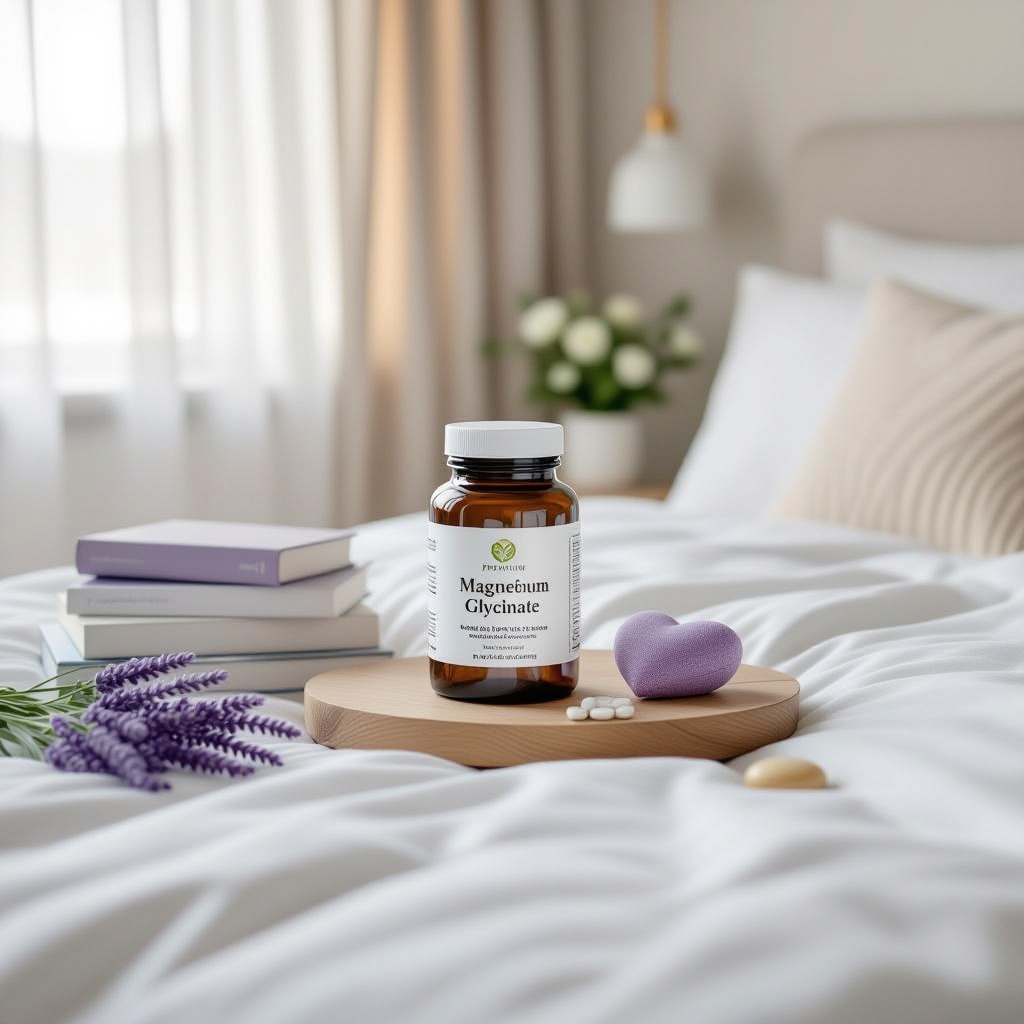
- Magnesium Glycinate: 300-400 mg daily for relaxation and stress reduction.
- Ashwagandha: 600-900 mg daily to reduce cortisol levels by up to 30%.
- Vitamin D with K: Essential for hormone production, particularly during winter.
- Saffron: 88 mg daily, effective as a natural antidepressant and anxiety reliever.
- Phosphatidylserine: 200-300 mg at night to improve sleep quality.
- Glycine: 3,000-4,000 mg at night to help lower body temperature for better sleep.
- Chamomile (Apigenin): A calming herb that can be consumed as tea or taken as a supplement.
Conclusion
Addressing high cortisol levels is a critical step in achieving hormonal balance and overall health. By implementing these strategies and utilizing appropriate supplements, you can effectively manage your stress, improve your sleep, and restore your body’s natural hormonal rhythms. Remember, the journey to health is individualized, and understanding your unique needs is key to achieving optimal wellness.
For more personalized support, consider consulting with a health professional who can guide you in creating a tailored plan to address your specific hormonal needs.