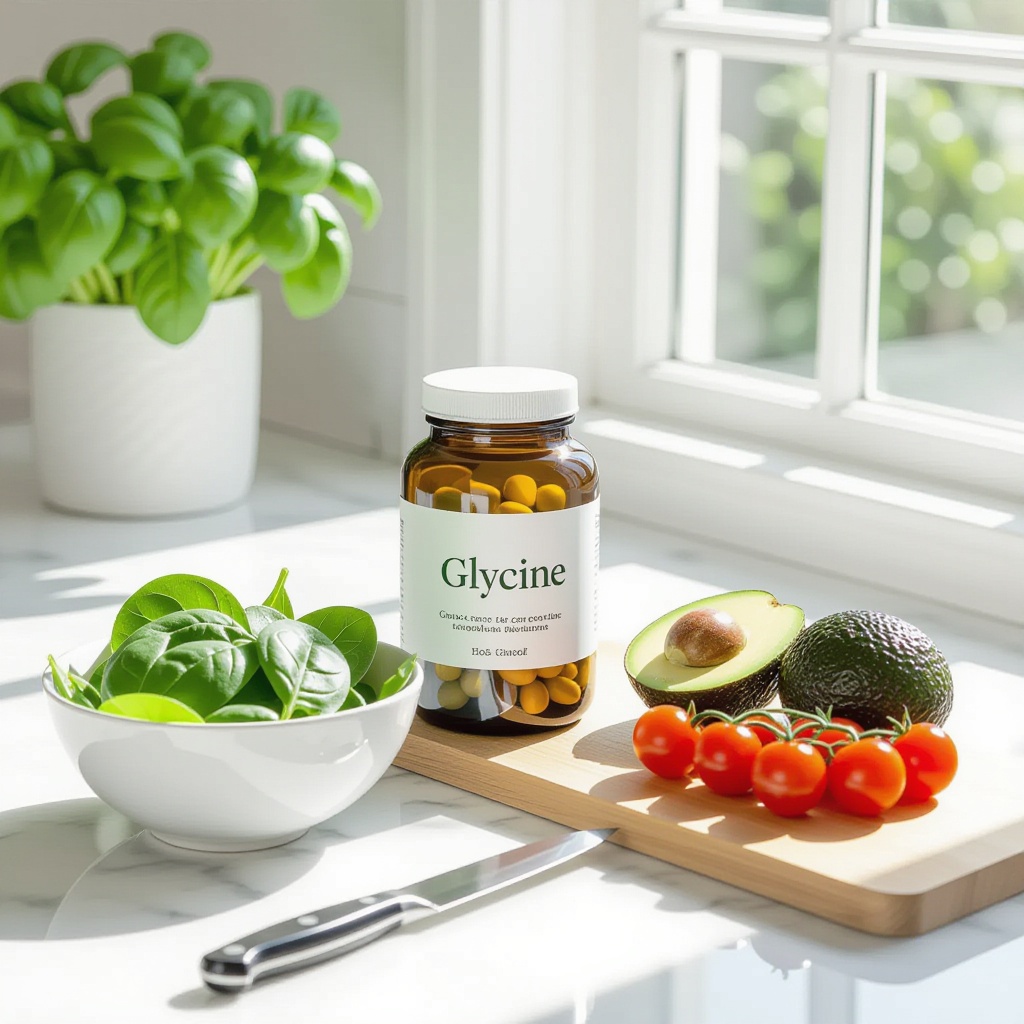
3g Before Bed Fixes the Sleep Stage That Produces Testosterone
Thomas DeLauerPublished on September 2, 2026
Summary authored by editor@wellifi.com
TLDR Summary
Optimizing testosterone production involves taking glycine before bed to improve sleep quality and incorporating foods like pumpkin seeds, oysters, and cod liver oil to provide essential nutrients. Managing cortisol levels is also important for maintaining healthy testosterone levels.
Key Points
- Glycine helps lower core body temperature, promoting deeper sleep and testosterone production.
- Pumpkin seeds provide zinc and beta-sitosterol, which modulates testosterone conversion to DHT.
- Oysters are the most zinc-dense food necessary for testosterone synthesis.
- Cod liver oil contains vitamins A and D3, crucial for testicular health and testosterone biosynthesis.
- Cortisol negatively impacts testosterone production; managing stress is vital for hormonal balance.
Optimizing Testosterone Production: The Role of Glycine and Evening Foods
When it comes to optimizing testosterone levels, many focus on morning routines and supplements. However, research shows that the real window for testosterone production occurs during specific sleep stages at night. This article delves into the importance of glycine, three key foods that support testosterone production, and the impact of cortisol on testosterone levels.
The Importance of Glycine for Sleep and Testosterone
Glycine is not just any supplement; it plays a crucial role in sleep architecture and testosterone production. Taking 3 grams of glycine before bed helps lower core body temperature, promoting faster entry into deep sleep. Studies indicate that individuals who supplement with glycine experience improved sleep quality, which is vital for testosterone synthesis.
How Glycine Works
Glycine influences the brain's circadian clock, facilitating vasodilation and reducing core body temperature, which signals the body to initiate sleep. In a study published in the Journal of Clinical Endocrinology and Metabolism, it was found that testosterone levels peaked during the deepest stages of non-REM sleep, just before the first REM episode. Fragmented sleep significantly diminished testosterone production.
Three Foods to Include for Testosterone Support
While glycine sets the stage for sleep, incorporating specific foods into your evening routine can provide the raw materials necessary for testosterone production:
1. Pumpkin Seeds
Pumpkin seeds are a fantastic source of zinc, essential for testosterone production. Additionally, they contain beta-sitosterol, a plant sterol that regulates the conversion of testosterone to DHT. This balance is crucial for maintaining healthy testosterone levels.
2. Oysters
Oysters are the richest source of zinc, which is critical for testosterone synthesis. Zinc acts as a co-factor in the enzymatic conversion of cholesterol to testosterone. Consuming oysters a few times a week can significantly improve zinc status and support testosterone levels.
3. Cod Liver Oil
Cod liver oil is an excellent source of fat-soluble vitamins A and D3, both of which are vital for testicular function and testosterone biosynthesis. The omega-3 fatty acids found in cod liver oil enhance the absorption of these vitamins.
Combining Glycine with Food for Optimal Results
The ideal evening routine could include:
- Dinner with oysters or zinc-rich protein, and pumpkin seeds.
- A tablespoon of cod liver oil, preferably taken with food.
- Collagen and magnesium glycinate 30 minutes to an hour before bed.
This combination not only provides the necessary nutrients for testosterone production but also promotes restful sleep.
The Role of Cortisol in Testosterone Production
Cortisol, commonly known as the stress hormone, can significantly impact testosterone levels. Studies indicate that elevated cortisol can inhibit testosterone production at the testicular level, despite luteinizing hormone signals from the brain. Consequently, disrupted sleep architecture combined with high cortisol levels can have a compounding negative effect on testosterone levels.
Managing Cortisol Levels
To mitigate cortisol's impact, consider the following strategies:
- Prioritize glycine supplementation to enhance sleep quality.
- Incorporate zinc-rich foods that support testosterone synthesis.
- Maintain a dimly lit environment in the evening to facilitate natural sleep cues.
Conclusion
Optimizing testosterone production involves more than just morning routines; it requires a holistic approach that considers sleep quality and nutrition. By incorporating glycine before bed and consuming testosterone-supportive foods like pumpkin seeds, oysters, and cod liver oil, you can create an environment conducive to hormonal balance. Remember, managing cortisol levels is equally important for maintaining healthy testosterone production.
For a comprehensive testosterone protocol, consider exploring additional supplements like ashwagandha and tonkat ali, which support testosterone production through different pathways.