5 Natural Weight Loss Hacks & The Truth About Ozempic: What Big Pharma Isn’t Telling You - Dr. Cole
Dr. Will ColePublished on July 26, 2025
Summary authored by editor@wellifi.com
TLDR Summary
GLP-1 medications may have harmful side effects, including muscle loss and increased health risks. Dr. Will Cole suggests natural alternatives like berberine, yerba mate, and psyllium husk to support weight loss and metabolic health safely.
Key Points
- GLP-1 medications can lead to muscle mass loss and slow metabolism.
- Natural alternatives like berberine and yerba mate can boost GLP-1 levels safely.
- Psyllium husk aids in digestion and stabilizes blood sugar.
- Curcumin and ginseng support metabolic health and weight management.
The Truth About GLP-1 Medications and Natural Alternatives
In recent times, GLP-1 medications, such as Ozempic, have gained significant popularity for weight loss. However, Dr. Will Cole presents a compelling argument that these medications may be doing more harm than good. In this article, we will explore the risks associated with GLP-1 drugs and highlight five natural GLP-1 boosters that promote sustainable weight loss without the potential side effects.
Understanding GLP-1 Medications
GLP-1 (glucagon-like peptide-1) medications are designed to help with weight loss and blood sugar control. While they can be effective for some, Dr. Cole warns that the cost of using these drugs can be significant. Research indicates that individuals using these medications have lost muscle mass, which can lead to long-term metabolic destruction and weight regain.
Key Risks of GLP-1 Medications
- Weight loss often comes at the expense of muscle mass, slowing metabolism.
- Common side effects include nausea, gastrointestinal distress, and increased risk of pancreatitis.
- Users may experience an increase in conditions such as arthritis and other health complications.
Natural GLP-1 Boosters
In contrast to synthetic medications, Dr. Cole suggests focusing on natural alternatives to enhance your body’s own GLP-1 production. Here are the top five natural GLP-1 boosters:
1. Berberine
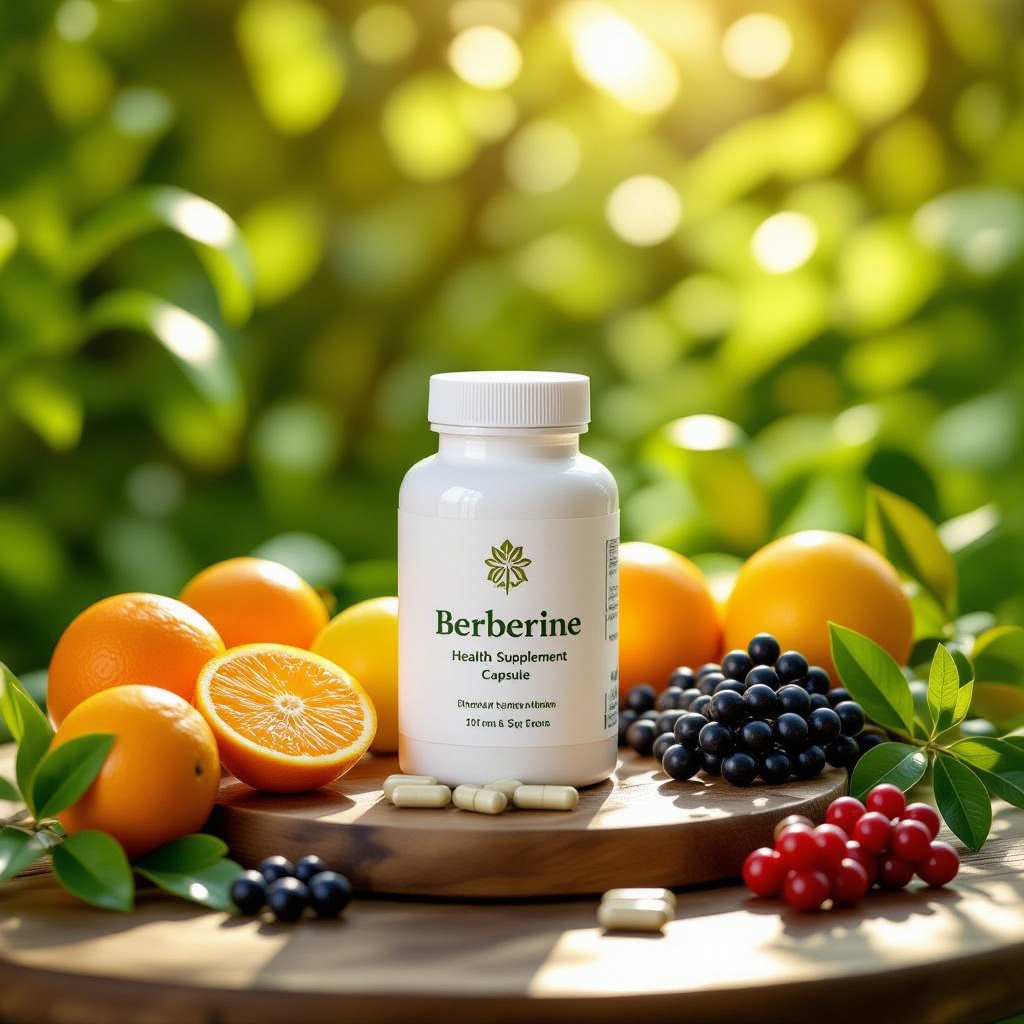
Often referred to as "nature's Ozempic," berberine is a compound extracted from various plants. It has been shown to boost GLP-1 levels and activate AMPK, the metabolic master switch in the body, improving blood sugar control and reducing inflammation.
2. Yerba Mate
This traditional tea not only provides a caffeine kick but has also been shown to increase GLP-1 production, stimulate fat loss, and reduce appetite. Its unique combination of caffeine and other compounds offers balanced stimulation without the crash.
3. Psyllium Husk
Psyllium husk is a soluble fiber that can significantly boost GLP-1 release. It forms a gel in the digestive system that slows glucose absorption and prolongs feelings of fullness, contributing to better blood sugar stability throughout the day.
4. Curcumin
The active compound in turmeric, curcumin has powerful anti-inflammatory properties and promotes GLP-1 secretion. It addresses multiple root causes of metabolic dysfunction, making it a potent ally in weight management.
5. Ginseng
Both Korean and American ginseng are adaptogenic herbs that can help regulate hormones, including GLP-1 and leptin. Research indicates that ginseng improves blood sugar control and supports weight management effectively.
Conclusion: A Holistic Approach to Weight Management
Dr. Cole emphasizes the importance of addressing the underlying causes of metabolic dysfunction rather than relying solely on pharmaceutical interventions. Incorporating these natural GLP-1 boosters into a comprehensive health strategy—alongside adequate protein intake and strength training—can promote sustainable weight loss without the risks associated with synthetic drugs.
For those interested in taking a functional medicine approach, working with a qualified practitioner can help implement these strategies effectively and safely.