500mg Cuts Cellular Inflammation by 25% (try today)
Thomas DeLauerPublished on November 14, 2025
Summary authored by editor@wellifi.com
TLDR Summary
This article discusses the role of senolytics in combating inflammation associated with aging. It highlights several promising compounds, including Urolithin A and Ginkgetin, which may enhance longevity and cellular health.
Key Points
- Aging leads to an increase in senescent cells, which contribute to chronic inflammation.
- Senolytics are compounds that target and eliminate senescent cells to reduce inflammation.
- Promising senolytic compounds include Urolithin A, Ginkgetin, Oleandrin, Periplocin, Quercetin, and Curcumin.
- Focus on maintaining a healthy lifestyle in your 20s and 30s; consider senolytics in your late 30s to early 40s.
Understanding Senolytics and Their Role in Aging and Inflammation
Aging is a complex process that often comes with an increase in cellular inflammation, leading many to seek out anti-inflammatory solutions. However, simply relying on medications like ibuprofen may not effectively address the root causes of inflammation, especially as we age. In this article, we explore the concept of senolytics, their role in combating senescent cells, and some promising compounds that may aid in longevity and cellular health.
The Challenge of Inflammation and Aging
As we age, our bodies accumulate senescent cells—cells that have ceased to divide and function optimally. These cells secrete inflammatory compounds known as senescence-associated secretory phenotypes (SASPs), contributing to a phenomenon known as inflammaging. This chronic inflammation can lead to various age-related diseases, making it essential to target the source of inflammation rather than merely treating the symptoms.
What Are Senolytics?
Senolytics are compounds that specifically target and eliminate senescent cells. By reducing the burden of these cells, we can potentially diminish inflammation and improve overall health as we age. Recent research has identified several compounds with senolytic properties, and we will discuss some of the most promising ones below.
Promising Senolytic Compounds
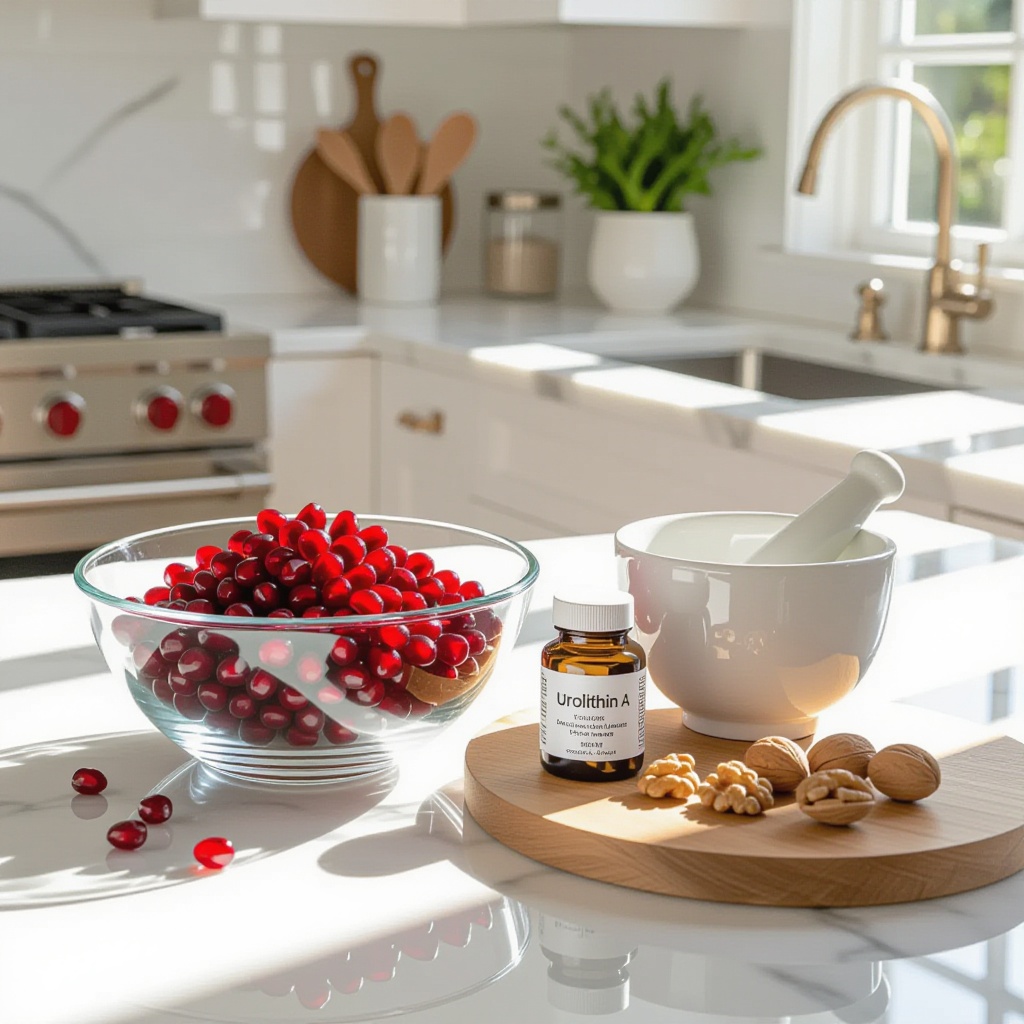
- Urolithin A: Extracted typically from pomegranates, urolithin A is a postbiotic that promotes mitophagy, the recycling of mitochondria, thereby improving mitochondrial health and potentially aiding in longevity. It has also shown promise in protecting against visceral fat accumulation.
- Ginkgetin: Derived from ginkgo, ginkgetin appears to be a potent natural senolytic. It can be taken in lower doses when younger and increased as one ages, making it a versatile option for those looking to combat cellular senescence.
- Oleandrin: Found in the toxic oleander plant, oleandrin has shown potential as a senolytic compound. Although it is considered toxic, it may have beneficial properties when used cautiously.
- Periplocin: Derived from the bark of specific plants, periplocin is another compound with senolytic properties. However, it may induce side effects such as nausea and headaches if overdosed, warranting careful consideration.
- Quercetin: A flavonoid with immune-supporting properties, quercetin not only acts as a powerful senolytic but also aids in recovery and stress response. It can be beneficial for individuals of all ages.
- Curcumin: Known for its anti-inflammatory effects, curcumin also exhibits antioxidant properties. While its role as a senolytic is still being studied, it may help the body adapt to stress over time.
When to Consider Senolytics
It is generally recommended to focus on maintaining a healthy lifestyle through exercise and proper nutrition in your 20s and 30s. Introducing senolytic compounds is advised for those in their late 30s to early 40s, as this is when the burden of senescent cells starts to increase significantly.
Conclusion
As we continue to explore the intricacies of aging and inflammation, senolytics present a promising avenue for enhancing longevity and cellular health. The compounds discussed, such as urolithin A, ginkgetin, oleandrin, periplocin, quercetin, and curcumin, offer exciting potential for those looking to mitigate the effects of aging. Always consult with a healthcare professional before introducing new supplements into your regimen.