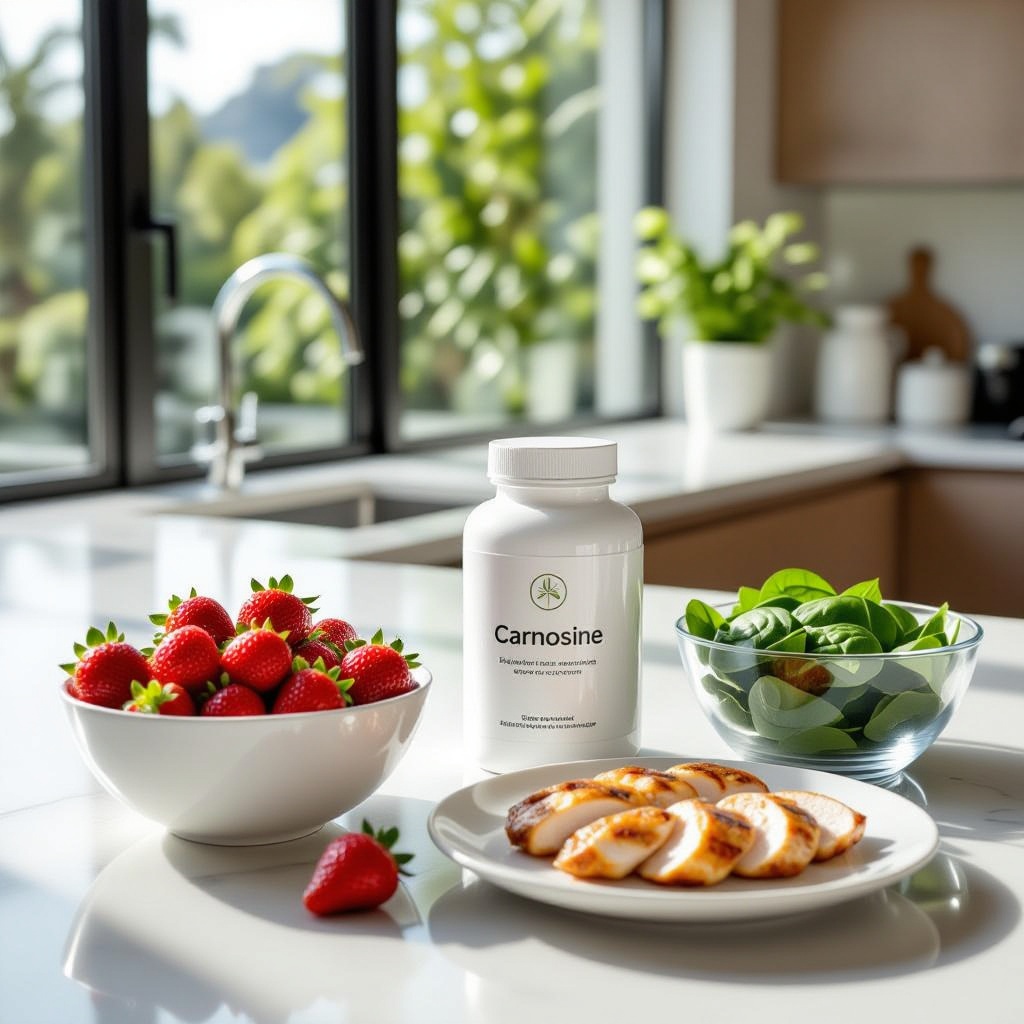
6g of This Stops Insulin Resistance in its Tracks (try it in the morning)
Thomas DeLauerPublished on August 15, 2025
Summary authored by editor@wellifi.com
TLDR Summary
Carnosine is a powerful supplement that helps reduce the formation of advanced glycation end products (AGEs), which contribute to inflammation and various health issues. By taking carnosine strategically, particularly before high-sugar meals, individuals can protect themselves against the negative effects of glycation.
Key Points
- Glycation can lead to harmful compounds known as AGEs, which cause inflammation and oxidative stress.
- Carnosine helps neutralize harmful reactive species, reducing the formation of AGEs.
- Recommended dosage for carnosine is between 2 to 6 grams per day, with timing being crucial around high-sugar meals.
The Impact of Carnosine on Glycation and Inflammation
In our daily lives, sugar is constantly flowing through our bloodstream, interacting with proteins and fats in ways that can lead to serious health issues. This interaction can create advanced glycation end products (AGEs), which are inflammatory compounds that can contribute to a range of health problems, including insulin resistance and cognitive decline. However, there’s good news: a supplement called carnosine can help mitigate these effects. In this article, we will explore how carnosine works, its benefits, and how to incorporate it into your wellness routine.
Understanding Glycation and Its Effects
Glycation occurs when sugar molecules bind to proteins, lipids, or nucleic acids, creating AGEs that can damage tissues and DNA. This process is akin to the caramelization of onions when sugar is heated—once it happens, it’s difficult to reverse. AGEs can accumulate in various parts of the body, including joints and skin, leading to premature aging and inflammatory conditions.
The Role of Carnosine
Carnosine is a naturally occurring dipeptide made up of beta-alanine and histidine, commonly found in meat. It has been shown to neutralize harmful carbonyl reactive species, such as methylglyoxal, which are catalysts in the glycation process. By stopping these reactive species, carnosine helps prevent the formation of AGEs, thereby reducing inflammation and oxidative stress.
Benefits of Carnosine
- Anti-Inflammatory Properties: Carnosine helps mitigate inflammation, which is a major contributor to insulin resistance and various chronic diseases.
- Cognitive Function: Studies indicate that carnosine may enhance cognitive function, particularly as we age, by preventing the build-up of AGEs in the brain.
- Joint Health: By reducing inflammation caused by AGEs, carnosine may alleviate joint pain and stiffness, especially after consuming sugary foods.
How to Use Carnosine
Carnosine can be taken as a supplement, with recommended dosages ranging from 2 to 6 grams per day, depending on individual needs and goals. For those looking to use carnosine for its protective effects against glycation, it is advisable to take it about 30 to 60 minutes before consuming high-sugar meals.
Dosing and Timing
- General Use: 2 grams of carnosine can be taken multiple times throughout the day.
- Pre-Workout: For those using beta-alanine (a precursor to carnosine), doses of 4 to 6 grams are common to enhance athletic performance.
- Meal Timing: Taking carnosine before consuming high-carb or sugary meals can help minimize glycation.
Conclusion
Carnosine is a potent supplement that helps combat the negative effects of glycation and inflammation in the body. By understanding how and when to use it, individuals can take proactive steps toward improving their health, particularly in relation to insulin sensitivity and cognitive function. As with any supplement, it is advisable to consult with a healthcare provider before adding carnosine to your regimen.
Key Takeaways
- Glycation can lead to harmful compounds known as AGEs, which cause inflammation and oxidative stress.
- Carnosine helps neutralize harmful reactive species, reducing the formation of AGEs.
- Recommended dosage for carnosine is between 2 to 6 grams per day, with timing being crucial around high-sugar meals.