7 Habits That Slow Down Aging (And Even Reverse It)
The Model Health ShowPublished on September 29, 2025
Summary authored by editor@wellifi.com
TLDR Summary
This article outlines seven science-backed methods to slow down aging, including vitamin D supplementation, quality sleep, and maintaining a youthful mindset. These strategies are simple to implement and can lead to significant health benefits over time.
Key Points
- Vitamin D supplementation can prevent cellular aging.
- Quality sleep is crucial for biological health.
- Diversity in gut microbiome supports slower aging.
- Meditation protects telomeres and reduces stress.
- Building muscle through resistance training reverses aging markers.
- Regular tea consumption is associated with slower aging.
- A youthful mindset can significantly impact biological aging.
Seven Science-Backed Ways to Slow Down Aging
Did you know that it's possible to slow down how fast you are aging? The top longevity experts in the world have shared how we can all reduce the speed of our aging process. In this article, we will explore seven of the most well-documented methods to slow down aging, many of which are free or cost only pennies a day.
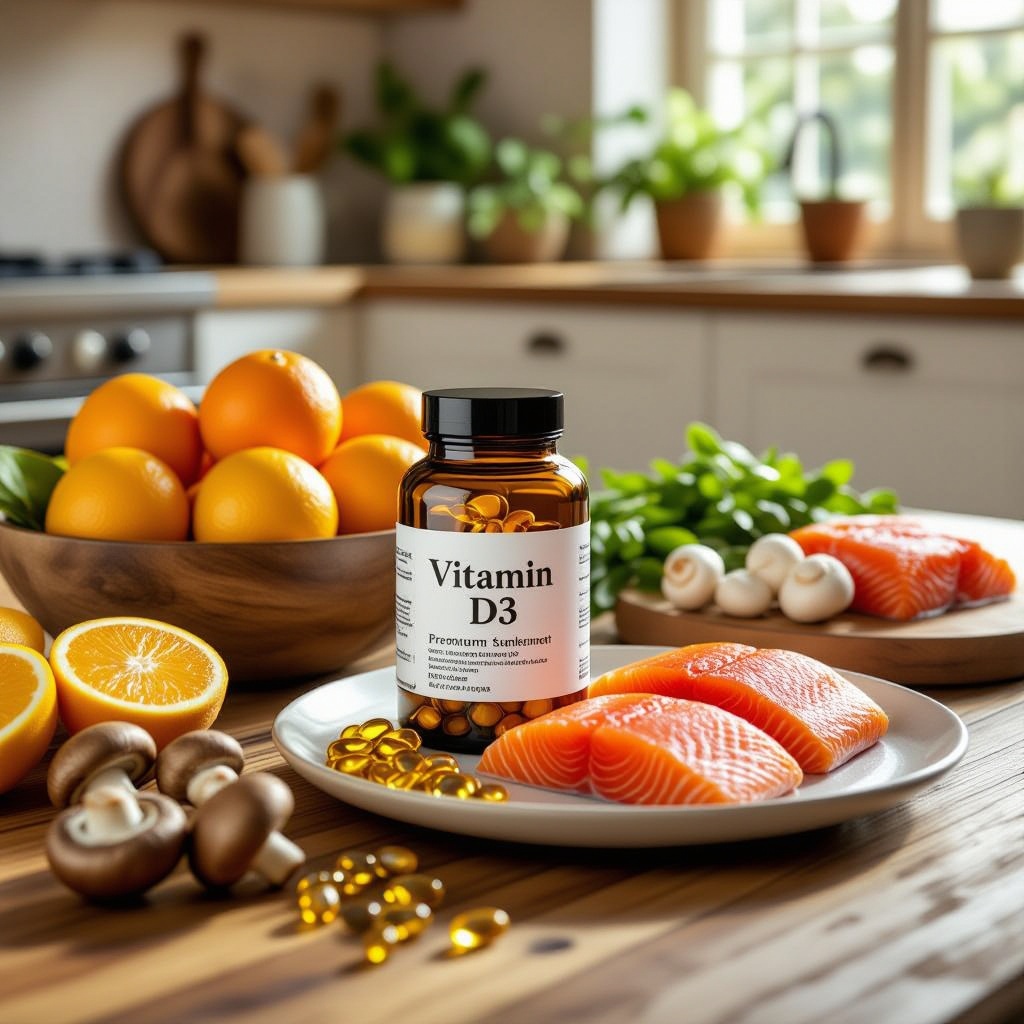
1. Vitamin D Supplementation
A recent study published in the American Journal of Clinical Nutrition by researchers at Harvard found that taking just one capsule of vitamin D3 daily can significantly slow down aging at a cellular level. Participants who took 2,000 international units (IUs) of vitamin D3 daily saw a reduction in telomere shortening, which prevented the equivalent of about three years of aging. Telomeres are protective caps at the ends of chromosomes that shorten with each cell division. Shorter telomeres are associated with accelerated aging and age-related chronic diseases.
Key points about vitamin D:
- 60% of the American population is low in vitamin D, with higher rates in certain demographics.
- Vitamin D is linked to numerous health benefits, including protection against chronic diseases like cancer and depression.
- When supplementing, use vitamin D3, ideally paired with vitamin K2 for better absorption.
2. Quality Sleep
Research shows that high-quality sleep is crucial for slowing down aging. A comprehensive analysis involving over 300,000 participants published in Sleep highlighted that improving sleep can mitigate biological aging. Studies have demonstrated that inconsistent sleep schedules lead to accelerated biological aging, with individuals experiencing social jet lag showing biological ages nearly nine months older than those with consistent sleep patterns.
Tips for improving sleep:
- Prioritize a consistent sleep schedule.
- Get adequate sunlight, especially in the morning, to help regulate circadian rhythms.
- Create a sleep-friendly environment that is dark, cool, and tech-free.
3. Improve Microbial Diversity
Our gut microbiome plays a significant role in our aging process. A study published in Aging and Disease found that a diverse microbiome is linked to slower biological aging. Centenarians have microbiomes more similar to younger individuals than to the elderly population.
To promote gut health:
- Increase the diversity of foods in your diet.
- Incorporate seasonal foods to support gut bacteria diversity.
- Consume fermented foods regularly.
4. Meditation
Meditation has been shown to have a profound impact on lifespan. Studies indicate that meditation can protect telomeres and reduce stress and inflammation, which are significant contributors to aging. Regular practice can lead to improvements in overall well-being and cognitive function.
How to incorporate meditation:
- Practice consistently, even if only for five minutes a day.
- Explore various types of meditation to find what resonates with you.
- Consider guided meditations or apps to help establish a routine.
5. Build Muscle
Resistance training is essential for maintaining muscle mass and can even reverse certain biological markers of aging. A study published in PLOS ONE found that elderly participants who engaged in a structured strength training program saw significant improvements in their genetic expression related to aging.
To build muscle effectively:
- Engage in strength training at least twice a week.
- Incorporate full-body workouts to maximize benefits.
- Focus on functional movements to maintain mobility as you age.
6. Drink Tea
Regular tea consumption has been linked to slower aging. A study published in The Lancet found that participants who drank tea regularly showed decreased biological aging. Aim for approximately three cups of tea daily to gain the most benefits.
Among various types of tea, puer tea has been noted for its weight loss benefits while preserving muscle mass.
7. Cultivate a Youthful Mindset
The power of mindset in influencing aging cannot be overstated. Research from Dr. Ellen Langer at Harvard has shown that our thoughts can impact biological aging significantly. Participants who believed they were younger showed measurable improvements in their physical and mental health.
Tips to maintain a youthful mindset include:
- Immersing yourself in positive content that promotes empowerment.
- Practicing visualization techniques to see yourself thriving.
- Engaging in playful activities to keep a youthful perspective on life.
Conclusion
Slowing down the aging process is not only possible but can be achieved through simple lifestyle changes. By focusing on vitamin D intake, quality sleep, gut health, meditation, strength training, tea consumption, and a positive mindset, we can all work towards a healthier, more vibrant life.
Key Takeaways
- Vitamin D supplementation can prevent cellular aging.
- Quality sleep is crucial for biological health.
- Diversity in gut microbiome supports slower aging.
- Meditation protects telomeres and reduces stress.
- Building muscle through resistance training reverses aging markers.
- Regular tea consumption is associated with slower aging.
- A youthful mindset can significantly impact biological aging.