Ben Greenfield’s Exact Sleep Routine Revealed (Biohack Your Sleep Score To 96%+)
Ben Greenfield LifePublished on June 5, 2026
Summary authored by editor@wellifi.com
TLDR Summary
Ben Greenfield shares essential sleep hacks focusing on temperature, light, stress, and sound management to improve sleep quality. Implementing these strategies can help tackle most sleep issues effectively.
Key Points
- Control room temperature to around 65°F for optimal sleep.
- Use blue light blockers in the evening to reduce artificial light exposure.
- Incorporate stress-reducing supplements like L-tryptophan and L-theanine.
- Use white noise or apps like NuCalm to improve sleep quality.
The Ultimate Guide to Sleep Hacks for Better Rest
Getting a good night's sleep is essential for overall health and well-being. In this article, we'll explore some effective sleep hacks and a personal nighttime routine shared by Ben Greenfield, a health and wellness expert. By focusing on four key elements of sleep hygiene—temperature, light, stress, and sound—you can significantly enhance your sleep quality.
1. Temperature Control
Temperature plays a crucial role in sleep quality. Here are some tips to optimize your sleep environment:
- Set a Cool Room Temperature: Aim for a room temperature of around 65°F (18°C), ensuring it's cool enough to encourage sleep without being uncomfortable.
- Pre-Bedtime Routine: Finish dinner and intense workouts at least two to three hours before bedtime to allow your body to cool down.
- Shower Temperature: A lukewarm shower can help lower your body temperature without being too stimulating.
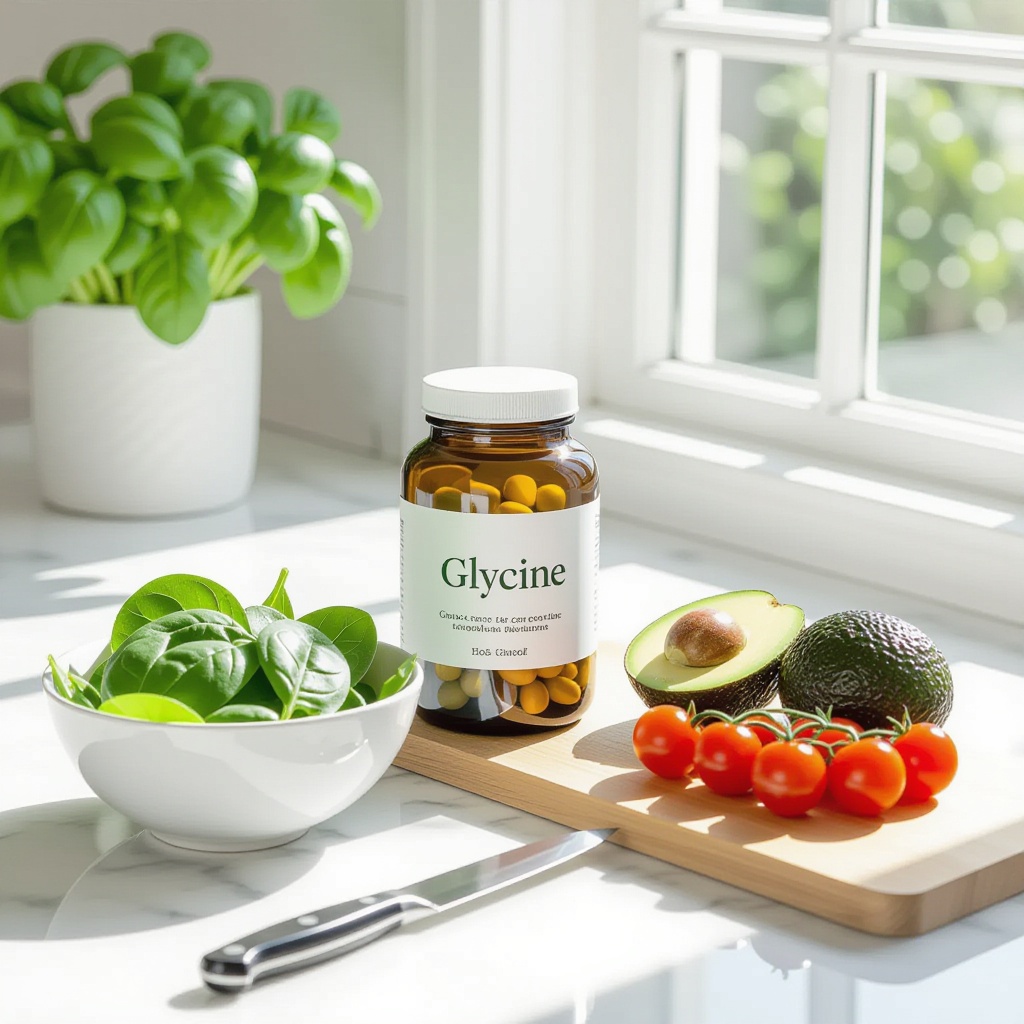
- Consider Glycine: Taking 5-6 grams of glycine before bed can naturally cool your body if you've engaged in warm activities.
- Bed and Mattress: Invest in a breathable, non-toxic mattress like the Semina, which offers excellent cooling capabilities. Consider using cooling sleep systems such as the Ooler, which circulates cold water under your body.
2. Light Management
Light exposure can significantly impact your sleep. Here’s how to manage it effectively:
- Blue Light Blockers: Wear blue light blocking glasses after sunset to reduce exposure to artificial light.
- Red Light in the Bedroom: Install red light bulbs for evening illumination. If traveling, a red light headlamp or clip-on lights can be useful.
- Screen Settings: Use features on your phone or apps like Iris to reduce blue light emitted from screens.
- Blackout Curtains: Install blackout curtains to keep your sleeping environment dark. A makeshift solution is to use clippy hangers to close gaps in hotel curtains.
3. Stress Reduction Techniques
Managing stress is vital for quality sleep. Consider these practices:
- Sleep Supplements: Consider taking sleep capsules that contain L-tryptophan, L-theanine, and PharmaGABA to help you wind down.
- Wearable Devices: Use devices like the Apollo wristband to help manage stress through haptic vibrations.
- Relaxation Techniques: Try tools like the Sensate for guided relaxation sessions or explore Yoga Nidra tracks for non-sleep deep rest.
- Breath Work: Engage in breathing exercises such as 4-7-8 or coherent breathing to help calm your mind.
- Mouth Taping: Use mouth tape to encourage nasal breathing during sleep, which can improve overall sleep quality.
4. Sound Management
Sound can either hinder or enhance sleep. Here are strategies to manage sound:
- Foam Earplugs: Use earplugs to block out disruptive noises during sleep.
- White Noise Apps: Apps like Sleep Stream can play white noise to mask ambient sounds and promote relaxation.
- NuCalm: This app offers soothing soundtracks designed to help you sleep better, making it a worthy investment for those who struggle with sleep.
Conclusion
By addressing temperature, light, stress, and sound, you can tackle most sleep issues effectively. Implementing these sleep hacks into your routine can lead to better rest and improved health overall. Remember to share these tips with friends or loved ones who might benefit from them. Sweet dreams!