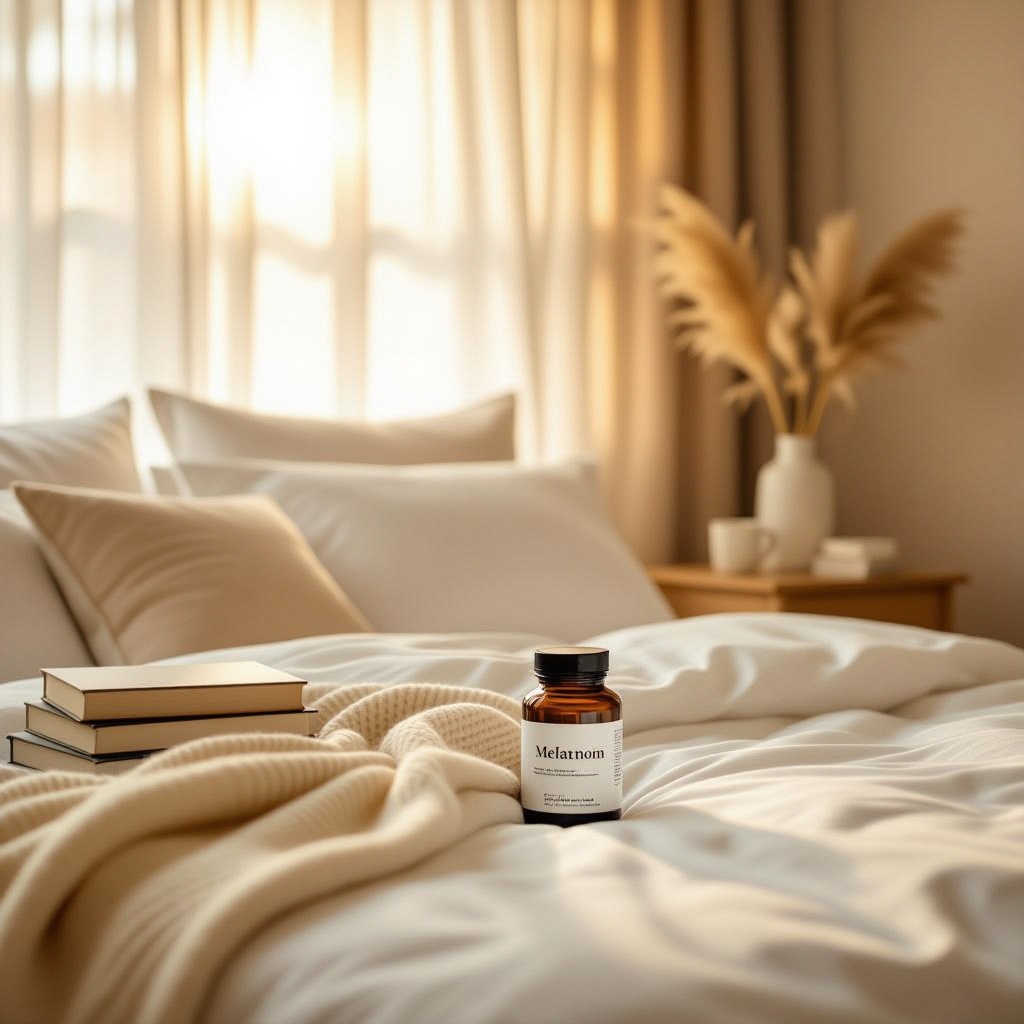
BEST Tips For Getting Better Sleep Before You Try Taking Melatonin Supplements
Mind Pump ShowPublished on October 1, 2019
Summary authored by editor@wellifi.com
TLDR Summary
While melatonin can safely improve sleep for some individuals, it's crucial to first address other potential causes of sleep disturbances, such as lifestyle habits and psychological factors. Low doses and intermittent use are recommended to avoid dependence and suppression of natural melatonin production. Ultimately, adopting healthy sleep habits and seeking professional advice if problems persist is advisable.
Key Points
- Poor sleep can be due to various factors, including lifestyle habits, light exposure, and psychological stress.
- Melatonin is a safe, non-toxic option for improving sleep temporarily, but long-term use may suppress natural melatonin production.
- Low doses of melatonin are more effective and mimicking the body's natural release is preferable.
- Natural strategies like avoiding stimulants, getting sunlight, and maintaining a cool sleep environment can significantly improve sleep quality.
- For persistent sleep issues, consulting a therapist or sleep specialist is advisable to address underlying causes such as anxiety or sleep apnea.
Exploring Safe Sleep Aid Options: Is Melatonin Right for You?
Sleep is a fundamental human need, essential for both physical and mental health. However, for many, achieving a restful night's sleep can be a challenge. Before resorting to supplements like melatonin, it's crucial to explore all other avenues for improving sleep quality. This article delves into the causes of sleep difficulties and evaluates the safety and efficacy of cycling on and off melatonin as a sleep aid.
Understanding the Root Causes of Poor Sleep
Poor sleep can stem from a variety of factors, both physiological and psychological. Key areas to examine include:
- Light exposure and electronics use before bed
- Dietary habits and stimulant consumption
- Physical activity levels and exposure to natural sunlight
- Potential hormonal imbalances, such as elevated cortisol levels
Addressing these factors can often lead to significant improvements in sleep quality without the need for supplements.
When to Consider Melatonin
Melatonin, a hormone that regulates sleep-wake cycles, can be a safe short-term aid for sleep. However, its long-term use may lead to decreased natural melatonin production due to the body's feedback loop mechanism. Low doses (about a quarter to half a milligram) are recommended, and time-release versions may prevent mid-sleep awakenings.
Melatonin can be particularly useful for adjusting to new time zones or for occasional sleep disruption. Yet, it should not be a first-line solution for ongoing sleep issues.
Alternative Strategies for Enhancing Sleep Quality
Before turning to melatonin, consider these natural strategies for improving sleep:
- Avoiding all stimulants, including caffeine and chocolate
- Getting regular physical activity and sunlight exposure
- Reducing light exposure in the evening, including blue light from screens
- Maintaining a cool bedroom environment
These practices can help regulate your circadian rhythm and promote better sleep.
Seeking Professional Help
If sleep difficulties persist despite these measures, consulting with a therapist or sleep specialist may be beneficial. Conditions such as sleep apnea or underlying anxiety can significantly impact sleep quality and require specialized treatment.
Conclusion
Melatonin can be a helpful tool for occasional sleep issues, but it's important to address the underlying causes of poor sleep. By adopting healthy sleep habits and seeking professional advice when needed, most people can improve their sleep quality without relying on supplements.
Related Supplement