Boost Your Immunity with Vitamin D3: Here’s How
Published on August 11, 2026
Summary authored by editor@wellifi.com
Boost Your Immunity with Vitamin D3: Here’s How
Introduction
In a world where health concerns loom larger than ever, the spotlight on immunity has never shone brighter. Among the myriad of nutrients touted for their immune-boosting properties, Vitamin D3 stands out as a vital player. Often dubbed the “sunshine vitamin,” Vitamin D3 is not just essential for bone health; it plays a crucial role in modulating the immune system. But how can this powerhouse nutrient enhance your immunity? Let’s dive into the science and practical applications of Vitamin D3.
The Role of Vitamin D3 in Immune Function
What is Vitamin D3?
Vitamin D3, or cholecalciferol, is a fat-soluble vitamin produced when the skin is exposed to sunlight. It can also be obtained through certain foods and supplements. Unlike most vitamins, Vitamin D functions more like a hormone, influencing various bodily processes.
“Vitamin D3 is essential not just for bone health, but for optimal immune function.”
Immune Modulation
Research shows that Vitamin D3 plays a pivotal role in enhancing the pathogen-fighting effects of monocytes and macrophages—white blood cells that are critical for the immune response. It also helps regulate T-cell function, which is crucial for adaptive immunity.
- Enhances pathogen-fighting effects: Vitamin D3 boosts the body’s ability to fight infections.
- Regulates inflammatory responses: It helps prevent excessive inflammation, which can lead to autoimmune disorders.
How to Boost Your Vitamin D3 Levels
Sunlight Exposure
The most natural source of Vitamin D3 is sunlight. Just 10 to 30 minutes a few times a week can help maintain adequate levels, depending on skin type, location, and time of year. However, factors such as sunscreen use and indoor lifestyles can limit exposure.
Dietary Sources
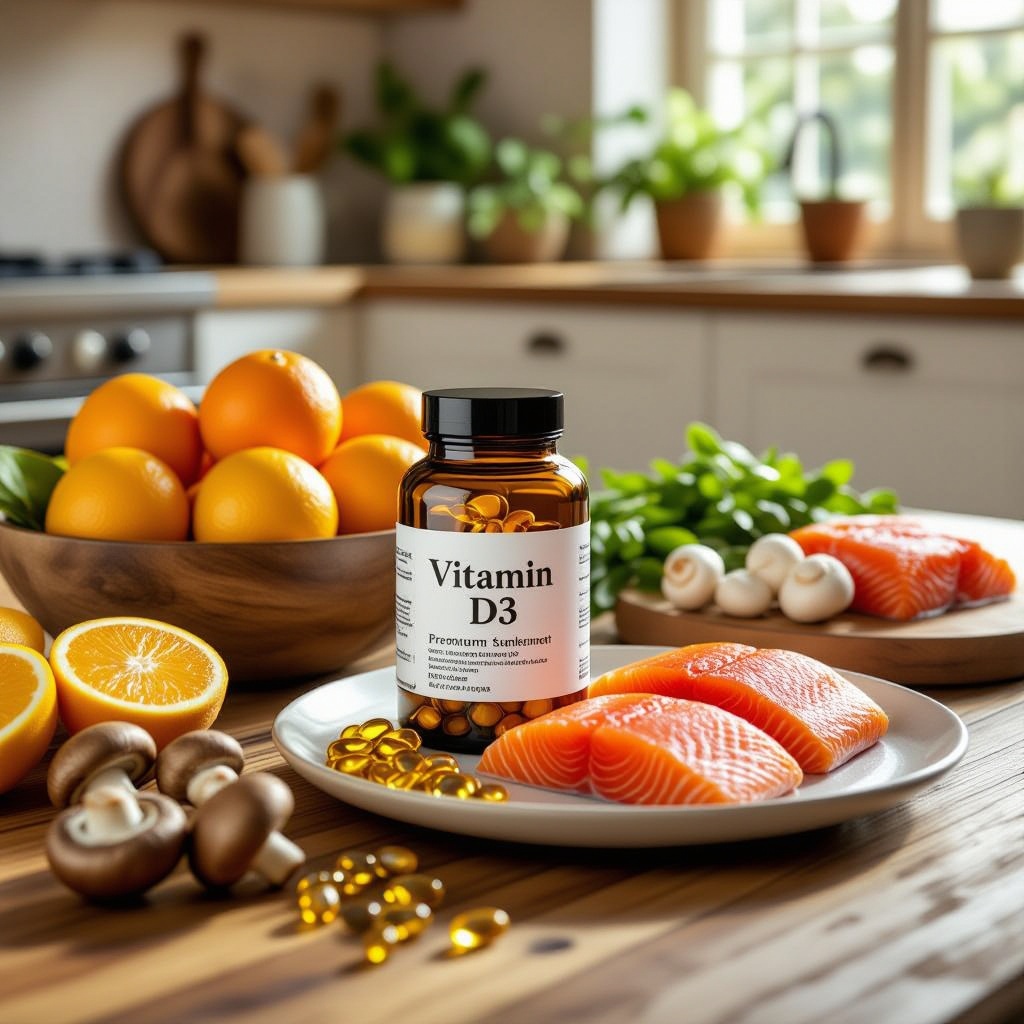
For individuals with limited sun exposure, diet becomes essential. Foods rich in Vitamin D3 include:
- Fatty fish (salmon, mackerel, sardines)
- Cod liver oil
- Egg yolks
- Fortified foods (milk, orange juice, cereals)
Supplements
When dietary intake and sunlight exposure are insufficient, Vitamin D3 supplements become a practical option. It's available in various forms, including soft gels, capsules, and gummies.
“Supplements can be a convenient way to ensure adequate Vitamin D3 intake, especially in winter months.”
The Science Behind Vitamin D3 and Immunity
Clinical Evidence
Numerous studies have explored the connection between Vitamin D3 and immune health. One study published in the Journal of Clinical Endocrinology & Metabolism found that individuals with higher levels of Vitamin D3 had a lower risk of respiratory infections.
- Reduced risk of upper respiratory tract infections: Vitamin D3 supplementation significantly lowered the incidence.
- Autoimmune disease prevention: Adequate Vitamin D3 levels have been correlated with a reduced risk of conditions like multiple sclerosis and rheumatoid arthritis.
Real-World Applications
In light of the COVID-19 pandemic, Vitamin D3 gained renewed attention. Some researchers suggested that adequate Vitamin D levels could potentially mitigate the severity of the disease. While more research is needed, the existing evidence points to its importance in supporting overall immune function.
Key Considerations for Supplementation
Dosage Recommendations
The recommended dietary allowance (RDA) varies by age, sex, and life stage. Generally, adults should aim for:
- 600 to 800 IU per day for general health.
- Higher doses may be required for those with deficiencies or specific health conditions, but it’s essential to consult a healthcare provider.
Safety and Side Effects
Vitamin D3 is generally safe when taken within recommended doses. However, excessive intake can lead to toxicity, resulting in symptoms like nausea, vomiting, and kidney damage. Always consult a healthcare professional before starting a new supplement regimen.
“Moderation is key; while Vitamin D3 is beneficial, too much can be harmful.”
Conclusion
Vitamin D3 is a crucial ally in the quest for optimal immune health. By understanding its role and ensuring adequate levels through sunlight, diet, and supplements, health-conscious adults can empower their immune systems. As research continues to unveil the full potential of this vitamin, it becomes clear that making Vitamin D3 a part of your wellness routine could be one of the simplest yet most effective steps toward better health.
Key Takeaways
- Vitamin D3 is essential for immune modulation and fighting infections.
- Adequate sunlight exposure, a diet rich in Vitamin D3, or supplementation can help maintain optimal levels.
- Clinical studies support the link between Vitamin D3 and reduced infection rates.
- Consult a healthcare provider to determine the right dosage for your needs.
Further Reading
Related Supplement
The daily brief
Three expert summaries chosen for you, every morning. Free, and one tap to stop.
One email a day. No supplement pitches. Unsubscribe any time.