Choline Explained: Boost Your Health Naturally
Published on August 17, 2026
Summary authored by editor@wellifi.com
Choline Explained: Boost Your Health Naturally
Unlocking the Power of Choline
In the world of health and wellness, certain nutrients often fall under the radar, overshadowed by more popular vitamins and minerals. One such nutrient is choline, an essential compound that plays a crucial role in several bodily functions. From supporting brain health to aiding liver function, choline is a powerhouse nutrient that deserves attention. With increasing interest in optimizing health through natural means, understanding choline's benefits could be your next step toward holistic wellness.
What is Choline?
Choline is a water-soluble nutrient that’s often grouped with the B vitamins. Though our bodies can produce some choline, it is not sufficient to meet our daily needs, making dietary intake necessary. This essential nutrient is crucial for several physiological functions, including:
- Cell membrane structure: Choline is vital for the synthesis of phosphatidylcholine, a key component of cell membranes.
- Neurotransmitter production: It is a precursor for acetylcholine, a neurotransmitter associated with memory and muscle control.
- Fat metabolism: Choline helps in the transportation of fats and cholesterol, making it essential for liver health.
“Choline is not just a vitamin; it’s a crucial element for optimal cellular function.”
Sources of Choline
Finding choline in your diet is simpler than you might think. Here are some excellent sources:
- Eggs: One large egg contains about 147 mg of choline.
- Meat: Beef liver is an outstanding source, offering over 400 mg per 3-ounce serving.
- Fish: Salmon and cod provide a good amount of choline as well.
- Legumes: Chickpeas and kidney beans are also beneficial.
- Nuts and seeds: Almonds and sunflower seeds contribute to your choline intake.
Health Benefits of Choline
Cognitive Support
One of the most significant benefits of choline is its role in cognitive health. Research suggests that adequate choline intake may enhance memory, attention, and overall brain function. For instance, studies have shown that higher maternal choline intake during pregnancy is associated with better cognitive performance in offspring.
Liver Function
Choline is essential for liver health, particularly in fat metabolism. A deficiency in choline can lead to fatty liver disease, a condition characterized by excessive fat accumulation in liver cells. Supplementing with choline can help maintain liver function and prevent such conditions.
Cardiovascular Health
Emerging research indicates that choline may play a role in reducing homocysteine levels, an amino acid linked to heart disease. By promoting healthy homocysteine levels, choline contributes to better cardiovascular health.
Pregnancy and Development
For pregnant women, choline is crucial. It supports fetal brain development, and studies suggest that adequate choline intake can reduce the risk of neural tube defects in infants. Experts recommend that pregnant and breastfeeding women ensure they meet their choline needs through diet or supplementation.
Should You Supplement with Choline?
While it’s ideal to obtain nutrients from food, some individuals may find it challenging to meet their choline requirements through diet alone. In such cases, choline supplements can be a valuable addition. Here are some options:
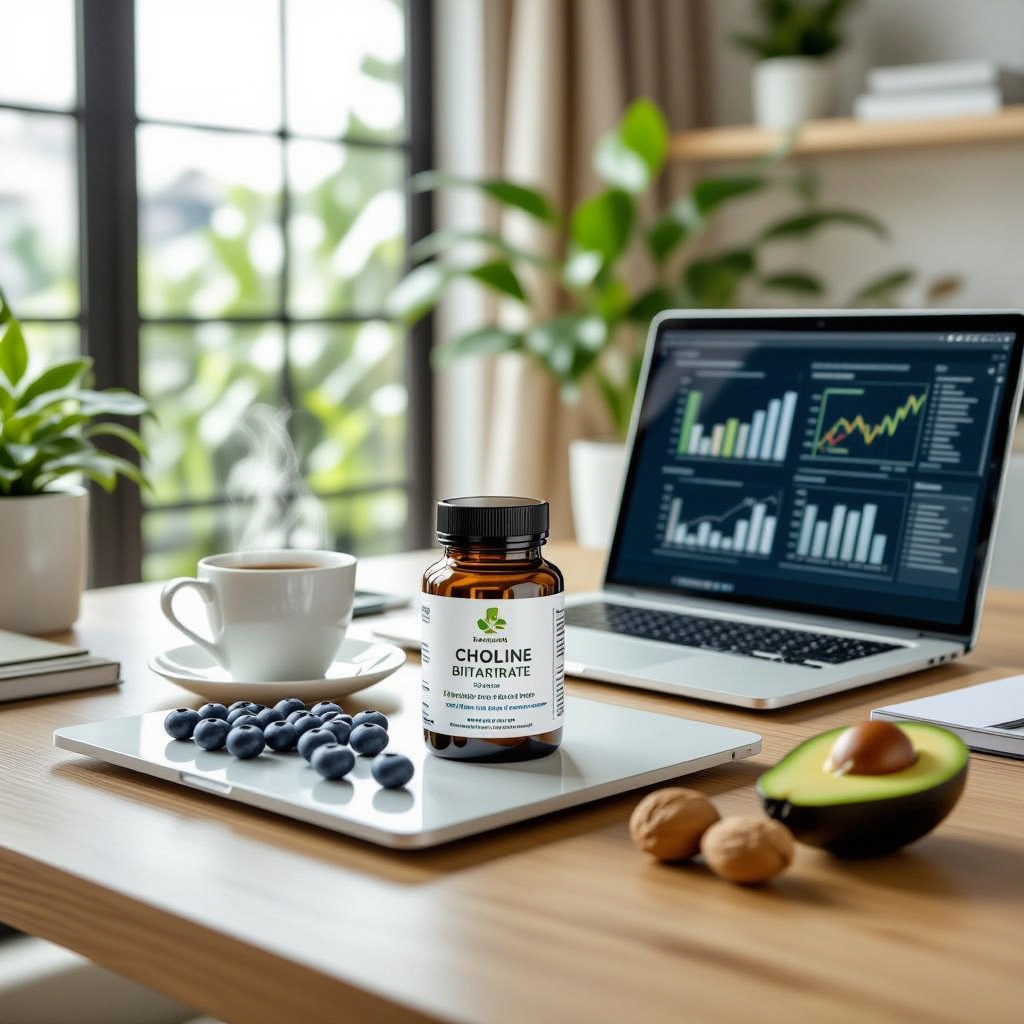
- Choline Bitartrate: A common supplement form that can easily be found in health stores.
- Alpha-GPC: A more bioavailable form of choline known for its cognitive benefits.
- Phosphatidylcholine: Often derived from soy lecithin, this form supports brain and liver health.
Considerations for Supplementation
Before starting any supplement, consider the following:
- Consult a healthcare professional: Especially if you have underlying health conditions or are pregnant.
- Dosage matters: The recommended adequate intake for adults is about 425 mg for women and 550 mg for men.
- Watch for side effects: High doses may lead to gastrointestinal issues or a fishy body odor.
Key Takeaways
- Choline is an essential nutrient crucial for brain function, liver health, and cellular integrity.
- Food sources include eggs, meat, fish, legumes, nuts, and seeds.
- Supplementation may be beneficial for those who struggle to meet their needs through diet alone.
- Consult a healthcare provider before starting any new supplement regimen.
Conclusion
Choline may not be the first nutrient that comes to mind when you think of health and wellness, but its benefits are undeniable. By incorporating choline-rich foods into your diet or considering supplementation, you can take proactive steps to enhance your overall health. Whether you aim to boost cognitive function, support liver health, or ensure proper fetal development, choline is a nutrient worth knowing and leveraging.
Further Reading
Related Nootropic
The daily brief
Three expert summaries chosen for you, every morning. Free, and one tap to stop.
One email a day. No supplement pitches. Unsubscribe any time.