Choline: The Essential Nutrient You Might Be Missing
Published on August 17, 2026
Summary authored by editor@wellifi.com
Choline: The Essential Nutrient You Might Be Missing
In the ever-evolving landscape of health and wellness, few nutrients have garnered as much attention yet remain as under-discussed as choline. This essential nutrient is vital for numerous bodily functions, including liver function, brain development, muscle movement, and metabolism. Despite its importance, many adults are unaware of their choline intake or the significant benefits it can offer. In this article, we delve into what choline is, its health benefits, sources, and why you might need to consider supplementation.
What is Choline?
Choline is a water-soluble nutrient often grouped with the B vitamins. It plays a critical role in the production of acetylcholine, a neurotransmitter that helps regulate memory and muscle control. Additionally, choline is involved in several bodily functions:
- Cell structure: Choline is a component of phospholipids, which form cellular membranes.
- Fat metabolism: It aids in the transportation and metabolism of fats in the liver.
- DNA synthesis: Choline contributes to the production of DNA, which is vital for cell growth and reproduction.
"Choline is indispensable for optimal health, yet many of us are not getting enough of it in our diets."
The Unsung Benefits of Choline
Brain Health
Research suggests that choline may enhance cognitive functions and support brain health. It is particularly crucial during pregnancy and early childhood, where it aids in fetal brain development. Studies have indicated that adequate choline intake during pregnancy can improve memory and cognitive performance in children.
Liver Function
Choline is essential for liver health. It helps to prevent the accumulation of fat in the liver, which can lead to non-alcoholic fatty liver disease (NAFLD). A study published in the American Journal of Clinical Nutrition found that individuals with low choline levels had a higher incidence of liver disease.
Metabolism and Weight Management
Choline plays a role in metabolism, particularly in breaking down fats. This function can be crucial for those aiming for weight management. By ensuring proper choline levels, you may support your body's ability to metabolize fat effectively.
Sources of Choline
Choline is found in a variety of foods; however, the average dietary intake often falls short of recommended levels. Here are some choline-rich foods to consider:
- Eggs: One large egg provides about 147 mg of choline, making it one of the richest sources.
- Meat and Poultry: Chicken, turkey, and beef are excellent sources, with liver providing the highest concentration.
- Fish: Salmon and cod are good options to incorporate choline into your diet.
- Legumes and Nuts: Peanuts and soybeans also contain decent amounts of choline.
For those following a vegetarian or vegan diet, incorporating foods like Brussels sprouts, broccoli, and quinoa can help boost your choline intake, though it may still be necessary to consider supplementation.
Should You Consider Supplementation?
Despite the availability of dietary sources, many individuals may still be at risk of choline deficiency, particularly those with dietary restrictions, pregnant women, and older adults. Here are some signs that you might benefit from choline supplementation:
- Cognitive issues: Experiencing memory problems or cognitive decline.
- Liver issues: Symptoms related to liver dysfunction, such as fatigue or abdominal discomfort.
- Dietary restrictions: If you follow a plant-based diet that may limit choline-rich foods.
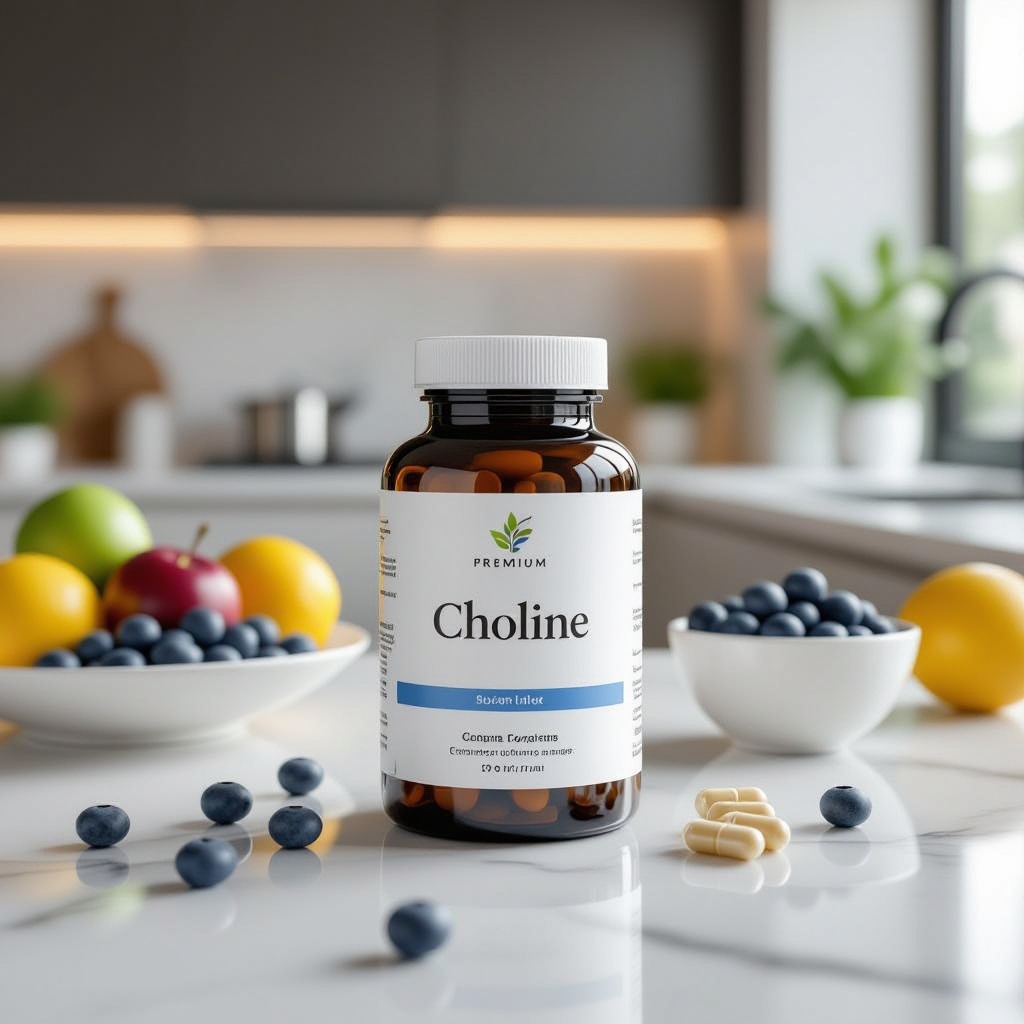
Choline supplements come in various forms, such as choline bitartrate and alpha-GPC, each providing unique benefits. Before starting any supplement regimen, it is advisable to consult with a healthcare professional to determine the appropriate dosage and form based on your individual needs.
"Incorporating choline into your diet could be a game-changer for your overall health, especially if you’re missing it in your meals."
Conclusion
Choline is a fundamental nutrient that plays a critical role in several bodily functions, yet it often goes unnoticed in discussions about health. Whether you aim to enhance cognitive function, support liver health, or optimize metabolism, ensuring adequate choline intake can make a substantial difference. By incorporating choline-rich foods or considering supplementation, you can help safeguard your health and well-being.
Key Takeaways
- Choline is essential for brain development, liver function, and fat metabolism.
- Many adults do not meet the recommended daily intake of choline.
- Foods rich in choline include eggs, meat, fish, and certain legumes.
- Supplementation may be beneficial for those at risk of deficiency.
Further Reading
Related Nootropic
The daily brief
Three expert summaries chosen for you, every morning. Free, and one tap to stop.
One email a day. No supplement pitches. Unsubscribe any time.