Control Sugar Cravings & Metabolism with Science-Based Tools | Huberman Lab Essentials
Huberman LabPublished on April 30, 2026
Summary authored by editor@wellifi.com
TLDR Summary
This episode discusses how our nervous system regulates sugar intake and the mechanisms behind sugar cravings. It offers strategies for managing sugar consumption effectively through dietary choices and understanding hormonal responses.
Key Points
- Ghrelin increases hunger based on the time since last meal.
- Insulin regulates blood glucose, essential for brain and body function.
- Fructose requires conversion to glucose in the liver, affecting hunger hormones.
- Sweet cravings are driven by both taste perception and dopamine release.
- Combining sweet foods with fiber can reduce blood glucose spikes.
- Lemon juice can blunt blood glucose responses when consumed with sugar.
- Cinnamon helps regulate blood sugar levels.
- Quality sleep is essential for regulating appetite and metabolism.
Understanding Sugar and Its Impact on Our Nervous System
Welcome to Huberman Lab Essentials, where we revisit past episodes for the most potent and actionable science-based tools for mental health, physical health, and performance. I'm Andrew Huberman, a professor of neurobiology and ophthalmology at Stanford School of Medicine. Today, we delve into the topic of sugar, specifically how our nervous system regulates sugar intake and cravings.
The Role of Hormones in Hunger and Sugar Regulation
When we eat, a complex series of hormonal responses occur. One key hormone is ghrelin, which increases the longer it has been since our last meal, signaling hunger. After eating, ghrelin levels drop. Another important hormone, insulin, is released from the pancreas to help regulate blood glucose levels, which are crucial for the functioning of both our brain and body.
Fructose: A Unique Sugar
Among the various sugars we consume, fructose, found in fruits and high fructose corn syrup, has a distinct effect on our brain and body. Unlike glucose, fructose cannot directly access the brain and must first be converted into glucose in the liver. This conversion can alter hormone levels, particularly those that suppress ghrelin, leading to increased hunger despite calorie intake.
The Sweet Craving Mechanism
The appeal of sugar goes beyond taste. Our brains have dedicated pathways that not only seek out sweet-tasting foods but also those that elevate blood glucose levels. These parallel pathways are crucial for understanding our cravings for sugary foods. The perception of sweetness not only satisfies our taste buds but also activates dopamine release in the brain, which increases our desire for more sugar.
Strategies to Manage Sugar Intake
Understanding the mechanisms behind sugar cravings can empower us to make better dietary choices. Here are some strategies to manage sugar intake effectively:
- Incorporate Fiber: Consuming sweet foods with fiber can mitigate sharp rises in blood glucose levels.
- Use Lemon or Lime Juice: Adding lemon or lime juice can blunt blood glucose responses when consumed with sugary foods.
- Cinnamon: This spice can help regulate blood sugar levels when sprinkled on foods.
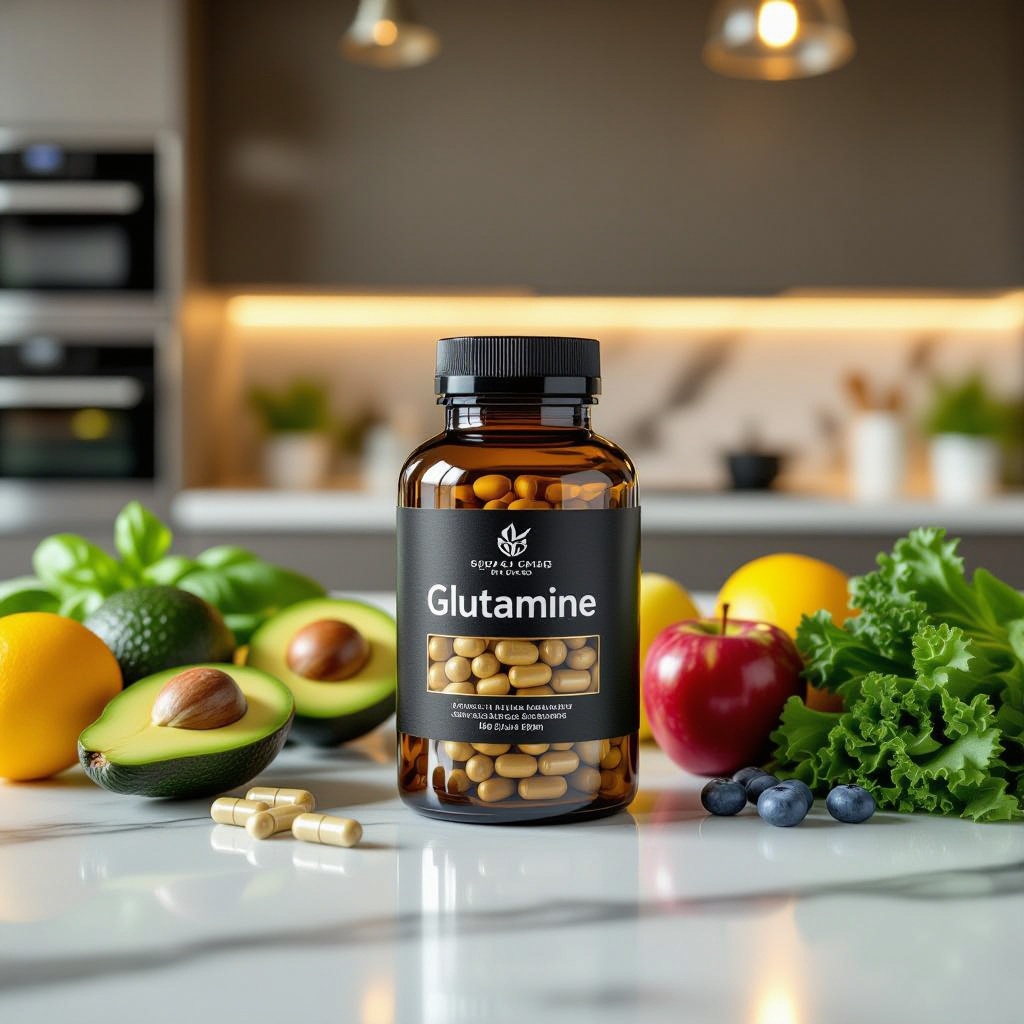
- Consider Glutamine: Supplementing with glutamine may help reduce sugar cravings by engaging gut neurons.
- Monitor Sleep: Quality sleep is vital for regulating appetite and metabolism, including sugar cravings.
Advanced Tools for Sugar Regulation
For those needing more control over their sugar levels, substances like berberine and medications such as metformin can be potent tools. However, caution is advised, and consulting with a healthcare provider is essential before starting any new supplement or medication.
Conclusion
Understanding the relationship between sugar and our nervous system is crucial for making informed dietary choices. By leveraging our knowledge of hormones, neural circuits, and effective strategies, we can better regulate our sugar intake and overall health.
Thank you for joining me in this exploration of sugar and the nervous system. Your interest in science is greatly appreciated!