Do These 8 Things to Strengthen Your Immune System & Avoid Getting Sick
FoundMyFitnessPublished on October 29, 2025
Summary authored by editor@wellifi.com
TLDR Summary
To enhance immune health as we age, prioritize regular aerobic exercise, sufficient sleep, stress management, and a balanced diet rich in essential nutrients. Incorporating key supplements can further support immune function and resilience.
Key Points
- Regular aerobic exercise boosts immune function and reduces risk of infections.
- Adequate sleep is crucial for effective antibody responses and T-cell activation.
- Chronic stress negatively impacts immune health and can accelerate aging.
- A balanced diet rich in essential nutrients supports immune function.
- Supplements like Vitamin D, Zinc, and Probiotics can enhance immunity.
Enhancing Immune Health: Strategies for Aging Gracefully
As we age, maintaining a robust immune system becomes increasingly important. Alyssa Jasmine raised a crucial question regarding immune health and aging, prompting a discussion on effective strategies to enhance immune function. This article delves into actionable steps to rejuvenate your immune system, focusing on exercise, sleep, stress management, nutrition, and potential supplements.
The Impact of Exercise on Immune Health
Exercise is one of the most powerful tools we have to counteract age-related declines in immune function. Research shows that moderate-intensity aerobic exercise can significantly improve immune responses. For instance, a study involving older adults who participated in 10 months of moderate-intensity aerobic exercise found that their antibody responses to the flu vaccine were markedly higher than those of sedentary controls.
Moreover, long-term observational studies indicate that higher cardiorespiratory fitness correlates with a reduced risk of pneumonia, reinforcing the importance of regular physical activity.
Mechanisms Behind Exercise-Induced Immunity
On a cellular level, physical activity helps mitigate immunosenescence—the gradual deterioration of the immune system associated with aging. Exercising individuals exhibit fewer senescent T-cells, which are crucial for immune function. Regular exercise also enhances the activity of natural killer cells, providing a first line of defense against infections and cancer.
Interestingly, brief bursts of activity can mobilize immune cells quickly; for example, just 70 seconds of brisk stair climbing can elevate natural killer cell numbers significantly.
The Role of Sleep in Immune Function
Sleep is another critical factor influencing immune health. Studies show that inadequate sleep—defined as less than 7 hours a night—can weaken antibody responses to vaccinations. Moreover, individuals who experience fragmented sleep or high daytime sleepiness tend to have lower antibody titers after receiving vaccines.
Good quality sleep is essential for the production and activation of T-cells, which play a vital role in fighting infections. Thus, prioritizing 7 to 9 hours of uninterrupted sleep each night can enhance your body's defense mechanisms.
Managing Stress for Better Immunity
Chronic psychological stress can accelerate immune aging, leading to a state of persistent inflammation. Elevated cortisol levels from ongoing stress can dampen immune responses and promote the cycle of inflammation.
Research indicates that caregivers, who often experience high levels of stress, show blunted antibody responses to vaccines. Incorporating stress management techniques, such as mindfulness, meditation, and tai chi, can aid in reducing chronic stress and its negative impact on immune function.
Nutrition and Immune Support
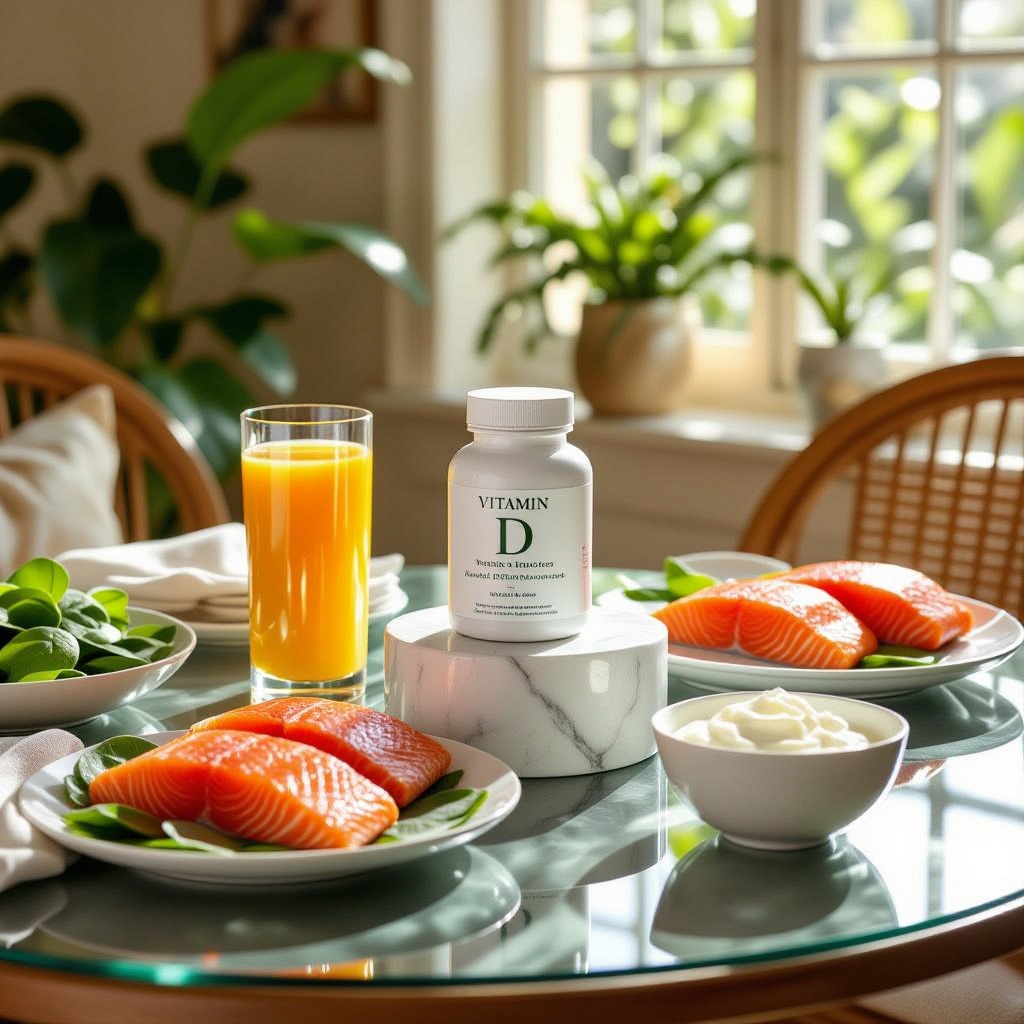
Nourishing the body with a balanced diet is vital for immune health. Older adults often lack adequate protein and essential micronutrients, which are crucial for immune function. A Mediterranean-style diet rich in fruits, vegetables, legumes, fish, and nuts has been consistently associated with healthier immune responses.
Key nutrients include:
- Vitamin A, C, E
- B vitamins (B6, B12, folate)
- Zinc and selenium
These nutrients support lymphocyte development and enhance immune responses.
Supplementation for Immune Enhancement
Several supplements have shown promise in supporting immune health:
- Vitamin D
- Zinc
- Vitamin C
- Omega-3 fatty acids
- Glutamine
- Probiotics and prebiotics
Probiotics may reduce the risk of respiratory infections and improve vaccine responses, while certain polyphenols found in green tea have also shown potential in reducing influenza infections.
Conclusion: A Holistic Approach to Immune Health
Improving immune aging is achievable through a combination of lifestyle changes. Regular aerobic exercise, sufficient sleep, stress management, balanced nutrition, and strategic supplementation can significantly enhance immune function and resilience as we age. By prioritizing these areas, individuals can support their immune systems effectively and enjoy a healthier, more vibrant life.