Doctor Explains Natural Ways to Increase Testosterone in Women (Full Guide)
Dr. Jolene BrightenPublished on January 29, 2026
Summary authored by editor@wellifi.com
TLDR Summary
Low testosterone in women is often overlooked but can significantly impact quality of life. Chronic stress, hormonal birth control, and age-related decline are common causes, but natural solutions such as zinc, vitamin D, and lifestyle changes can help boost testosterone levels.
Key Points
- Low testosterone is more common in women than realized.
- Chronic stress can lead to low testosterone by affecting adrenal function.
- Hormonal birth control suppresses testosterone production and utilization.
- Testosterone levels decline with age, particularly during perimenopause.
- Natural solutions to boost testosterone include zinc, vitamin D, magnesium, ashwagandha, and omega-3 fatty acids.
Understanding Low Testosterone in Women: Causes and Solutions
Low testosterone in women is more common than most clinicians and women realize, yet it is rarely considered normal. In this article, we'll explore the top three causes of low testosterone in women and provide actionable solutions to boost testosterone levels naturally. I'm Dr. Jolene Brighton, a board-certified naturopathic endocrinologist with over 15 years of experience in supporting women's hormone health.
Signs of Low Testosterone
Are you experiencing low energy, trouble setting boundaries, or difficulty gaining muscle? Have you noticed a decrease in libido or motivation? If any of these sound familiar, you may be facing low testosterone levels.
Top Three Causes of Low Testosterone in Women
1. Chronic Stress
Chronic stress can dysregulate the hypothalamic-pituitary-adrenal (HPA) axis, leading to a drop in DHEA levels, which subsequently decreases testosterone production. Women who are constantly in hustle culture and neglect self-care may face low libido, poor strength gains, and increased fatigue. Chronic stress can also stem from inflammation or chronic infections, which further impact hormone production.
2. Hormonal Birth Control
Many doctors overlook hormonal birth control as a significant factor in low testosterone. Combined oral contraceptives can suppress ovarian testosterone production and bind testosterone, making it less bioavailable. This can lead to a 40-60% reduction in free testosterone in women who use these pills. Unfortunately, the side effects of low libido and other symptoms are often dismissed as psychological rather than biochemical.
3. Age-Related Decline
Testosterone levels peak in early adulthood and begin to decline in the late 20s, with noticeable effects in the 30s and 40s. In perimenopause, ovarian testosterone production drops earlier than estrogen, leading to symptoms like reduced resilience, brain fog, and lack of motivation. It's crucial for women to consider lifestyle changes to support testosterone levels during this phase.
Natural Solutions to Boost Testosterone
Here are some evidence-based strategies to help increase your testosterone levels:
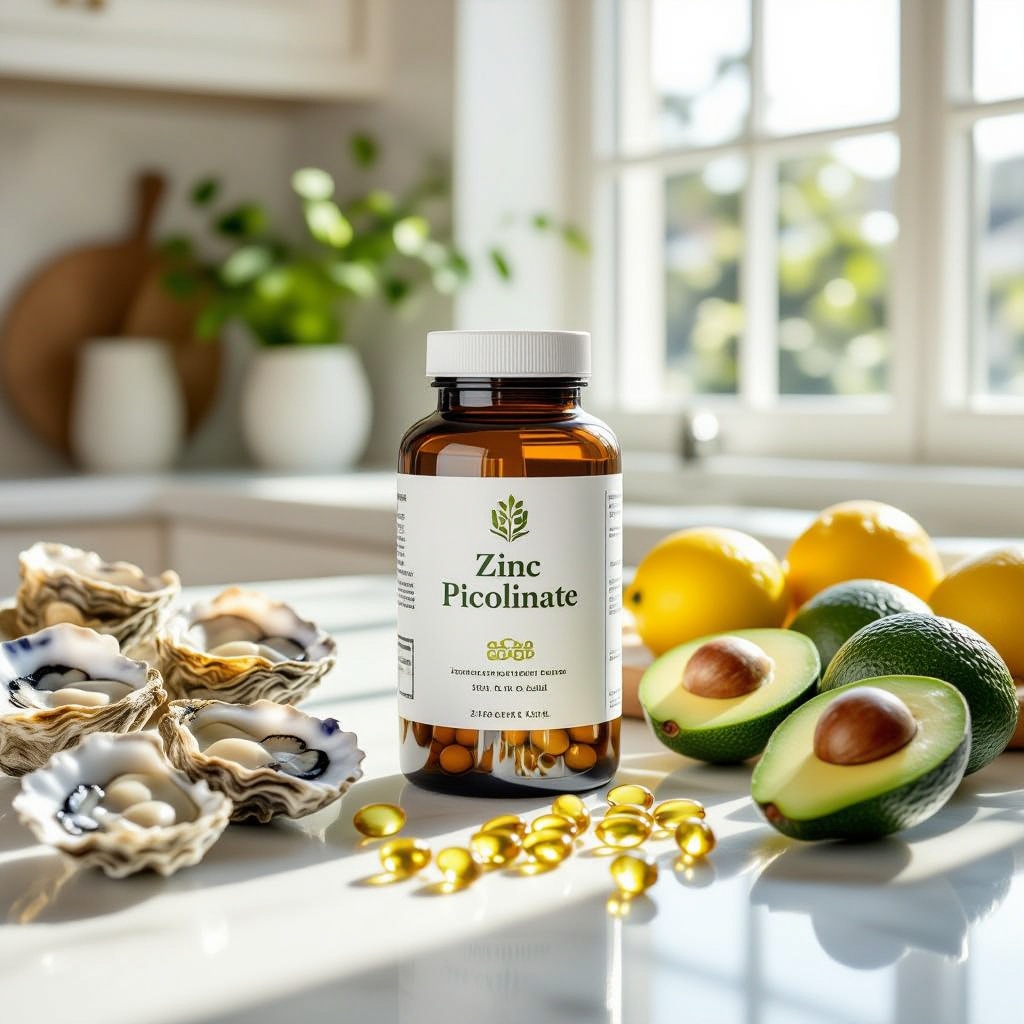
- Zinc: Essential for androgen synthesis. Recommended dosage is 15-30 mg per day.
- Vitamin D: Functions as a steroid hormone. Aim for 2,000-4,000 IU daily after checking levels.
- Magnesium: Supports free testosterone levels, especially in those on birth control. Dosage typically 300 mg at night.
- Ashwagandha: An adaptogen that can help with stress and indirectly support testosterone levels. Recommended dosage is 200 mg twice daily.
- Omega-3 Fatty Acids: Help improve metabolic and ovarian signaling. Recommended dosage is 1-2 grams daily.
- Reduce Endocrine Disruptor Exposure: Switch to glass or stainless steel containers, filter your drinking water, and minimize fragrance in personal care products.
Incorporating these changes can help support your hormone health and optimize testosterone levels.
Conclusion
Low testosterone in women is a complex issue that requires attention and understanding. By addressing the underlying causes and implementing natural solutions, women can reclaim their energy, motivation, and overall well-being. Stay tuned for our next episode, where we will discuss hormone replacement therapy and its implications for women with low testosterone.