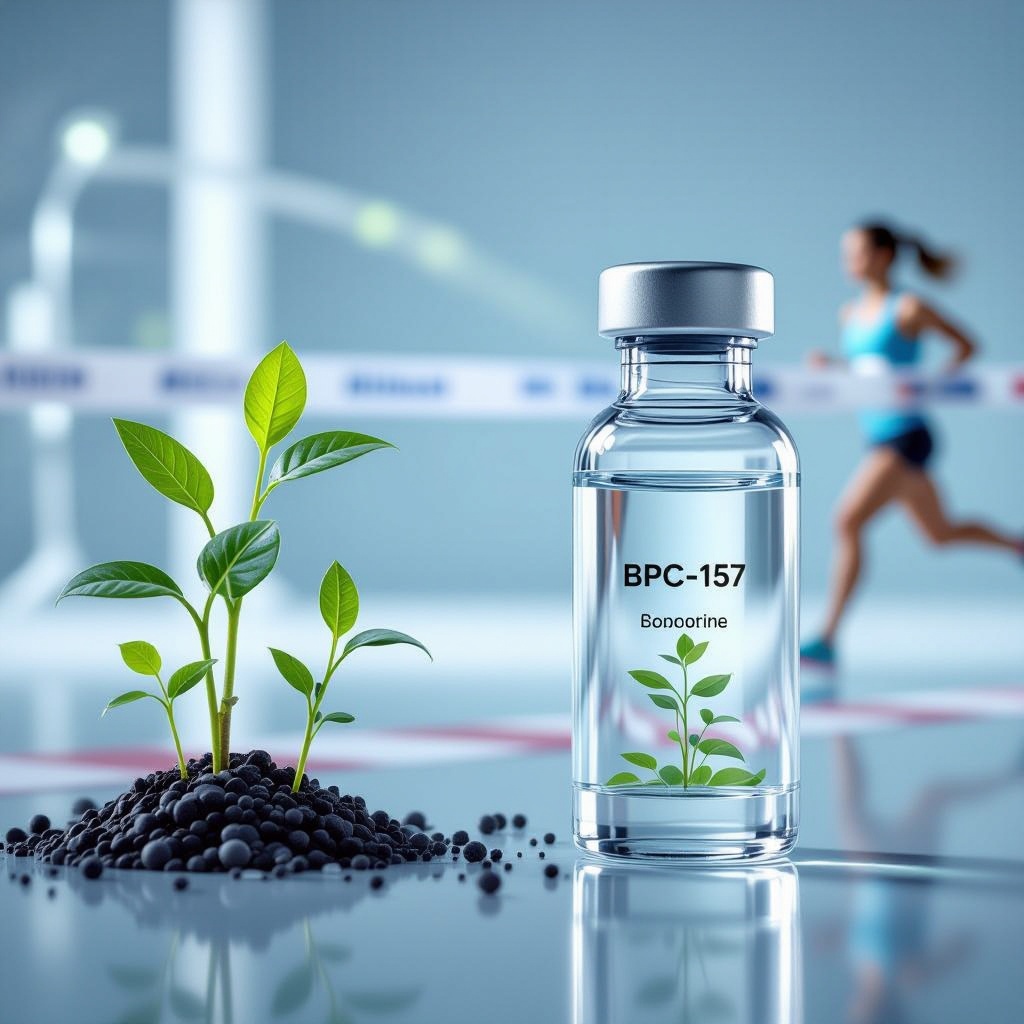
DON’T Take Peptides Until You Watch This
Dr. Eric Berg DCPublished on October 24, 2026
Summary authored by editor@wellifi.com
TLDR Summary
Peptides are short chains of amino acids that serve as signaling molecules in the body, offering potential benefits such as appetite control and injury recovery. However, safety concerns regarding product quality and efficacy remain, and natural alternatives can also effectively enhance health.
Key Points
- Peptides are short chains of amino acids that act as signaling molecules.
- Common peptides include BPC-157 for healing, GLP-1 for appetite control, and Sermorelin for growth hormone release.
- Research on peptide efficacy is limited, especially in humans.
- Safety concerns exist regarding the quality of peptide products available.
- Natural alternatives such as high-intensity exercise and fasting can boost growth hormone levels.
Everything You Need to Know About Peptides
Peptides have gained significant attention in the health and wellness community, but many are still left confused about what they are, how they work, and their safety. In this article, we will break down the essential aspects of peptides, including their functions, types, and potential benefits and risks, helping you navigate this complex topic.
What Are Peptides?
Peptides are short chains of amino acids that serve as signaling molecules in the body. Unlike proteins, which are long chains of amino acids, peptides are brief and act like blueprints to instruct the body to perform specific functions. They play vital roles in various physiological processes, including tissue repair and hormone regulation.
Types of Peptides
There are several types of peptides, each serving different purposes:
- Growth Hormone-Releasing Peptides: These peptides, such as Sermorelin, stimulate the pituitary gland to produce more growth hormone, enhancing tissue repair and regeneration.
- GLP-1 Peptides: Naturally produced in the gut, GLP-1 peptides help regulate appetite and blood sugar levels by signaling to the brain that you are not hungry. Engineered GLP-1s can remain active in the bloodstream for extended periods.
- BPC-157: Known for its healing properties, BPC-157 is used to repair tendons and ligaments, which have limited blood supply and therefore heal slowly.
- GHK-Cu: This peptide aids in collagen synthesis and tissue remodeling, often applied topically for skin health.
- Epitalon: Targets telomeres, potentially extending lifespan, though human studies are limited and have not been independently verified.
Do Peptides Work?
The effectiveness of peptides depends on their type and the condition being treated. For example, BPC-157 has shown promise in healing injuries, while GLP-1 peptides are effective for weight loss but may lead to muscle loss as well. Nonetheless, scientific research on peptides is still evolving, and most studies have been conducted on animals rather than humans.
Are Peptides Safe?
Safety is a major concern when it comes to peptides. A significant portion of raw peptide materials is sourced from overseas, often without stringent quality control. Studies reveal that:
- 30% of peptide products can contain the wrong amino acid sequence.
- 65% may fail to meet bacterial endotoxin limits, posing risks for immune reactions.
- Some batches have been found to contain harmful substances like arsenic.
To ensure safety, it's crucial to source peptides from reputable providers, ideally with a prescription from a licensed healthcare professional.
Natural Alternatives to Peptides
For those seeking to enhance growth hormone levels without peptides, several lifestyle practices can help:
- High-Intensity Interval Training (HIIT): This form of exercise is effective at boosting growth hormone production.
- Optimized Sleep: Quality sleep is essential for maintaining healthy growth hormone levels.
- Intermittent Fasting: This practice can significantly elevate growth hormone levels.
In addition, supplements like zinc, vitamin C, glycine, and magnesium can support healing and overall health.
Conclusion
Peptides are a complex and promising area of health and wellness that can offer various benefits, from weight loss to injury recovery. However, potential risks and safety concerns cannot be overlooked. Always consult with a healthcare provider before starting any peptide therapy, and consider natural alternatives to support your health goals.
Key Takeaways
- Peptides are short chains of amino acids that act as signaling molecules in the body.
- Types of peptides include growth hormone-releasing peptides, GLP-1 peptides, BPC-157, GHK-Cu, and Epitalon.
- Peptides can be effective, but research is still limited, especially in humans.
- Safety is a concern due to the quality of peptide products on the market.
- Natural alternatives like HIIT, quality sleep, and intermittent fasting can enhance growth hormone levels without peptides.