Drop Cortisol in Minutes - Protect Muscle & Shrink Abdominal Fat by Doing This
Thomas DeLauerPublished on September 17, 2025
Summary authored by editor@wellifi.com
TLDR Summary
As we age, muscle loss can become a significant issue due to elevated cortisol levels and decreased muscle protein synthesis. Implementing strategies such as managing cortisol, increasing protein intake, and focusing on gut health can help counteract these effects and promote muscle building.
Key Points
- Cortisol increases with age and can lead to muscle loss and fat storage.
- Glycine and vitamin C can help lower cortisol levels.
- Omega-3 fatty acids promote muscle protein synthesis and reduce inflammation.
- Creatine is beneficial for muscle preservation in older adults.
- High-quality protein sources are essential to meet increased protein needs.
- Gut health plays a crucial role in managing inflammation and muscle health.
Combatting Age-Related Muscle Loss: Strategies for Building Muscle as You Age
Introduction
As we age, maintaining muscle mass becomes increasingly challenging. Factors such as decreased training frequency, hormonal changes, and metabolic shifts all contribute to age-related muscle loss. However, there are effective strategies to counter this decline and promote muscle building. In this article, we will explore how to create a favorable environment for muscle growth, focusing on managing cortisol levels, reducing inflammation, and optimizing nutrition.
Understanding Cortisol and Muscle Loss
Cortisol, often referred to as the stress hormone, can have detrimental effects on muscle health, particularly as we age. Elevated cortisol levels can lead to:
- Increased fat storage, especially in the abdominal area.
- Protein degradation, contributing to muscle atrophy.
- Suppression of muscle protein synthesis.
To mitigate these effects, managing cortisol levels is essential. Here are some effective strategies:
1. Utilize Glycine
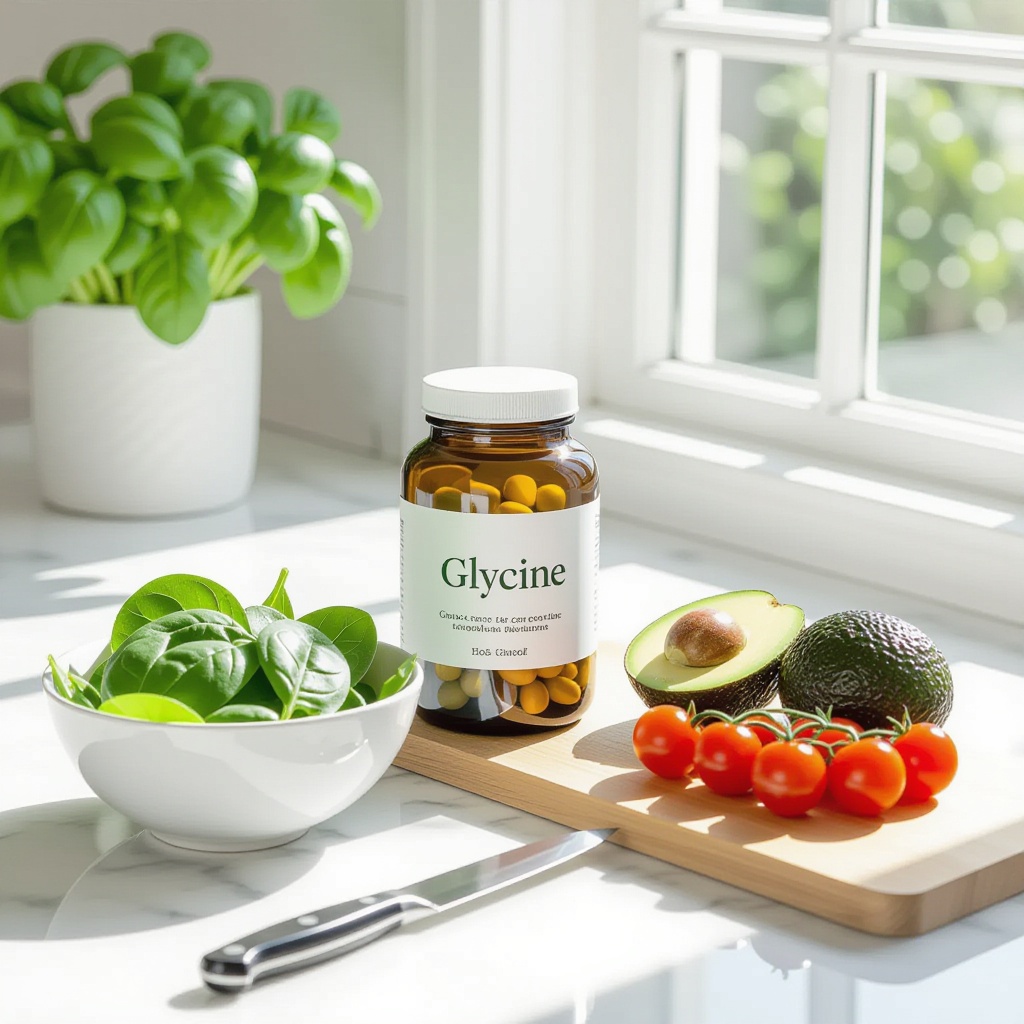
Glycine is a relaxing amino acid that can help lower cortisol levels. Consuming 3 grams of glycine at night may promote relaxation and support muscle maintenance.
2. Incorporate Vitamin C
Opt for whole food sources of vitamin C to buffer oxidative stress and help regulate cortisol levels. Consuming vitamin C in the morning can set a positive tone for the day.
3. Increase Omega-3 Fatty Acids
Omega-3s serve a dual purpose: they reduce inflammation associated with high cortisol levels and promote muscle protein synthesis. Aim for 2,000-3,000 mg of omega-3s daily from sources such as fish or quality supplements.
4. Optimize Carbohydrate Intake
Allocating carbohydrates to the evening can help suppress cortisol through an insulin spike, which is beneficial for sleep and recovery.
Enhancing Muscle Protein Synthesis
As we age, our ability to synthesize muscle protein diminishes. Key strategies to enhance this process include:
1. Consider Creatine Supplementation
Creatine is a powerful supplement that supports muscle preservation and strength. Despite common misconceptions, it does not harm kidney function. For those over 35, a dosage of 5-20 grams per day is recommended to help maintain muscle mass.
2. Focus on High-Quality Protein Sources
Older adults require more protein due to a decreased leucine threshold. Aim to increase protein intake by 50% and prioritize high-DASS score proteins such as:
- Whey protein
- Milk protein
- Egg protein
- Beef protein
Addressing Inflammation and Gut Health
Chronic inflammation can impede muscle growth and contribute to muscle loss. To combat inflammation:
1. Focus on Gut Health
Many inflammatory responses originate in the gut. To support gut health, avoid processed foods containing emulsifiers like polysorbates and carrageenan. Incorporate:
- Polyphenols from fruits and vegetables
- Bone broth
- Collagen
2. Deliberate Meal Timing
Take breaks between meals to support gut recovery. This allows the gut barrier to heal and reduces inflammation.
Training Tips for Muscle Growth
Incorporating effective training methods is crucial for muscle maintenance. If you struggle to train to failure, consider:
- Performing partial reps to stimulate muscle growth without overexertion.
Conclusion
By addressing cortisol levels, increasing protein intake, and focusing on gut health, you can effectively counteract age-related muscle loss. Implementing these strategies will create a more favorable environment for muscle building, allowing you to maintain strength and vitality as you age.
Stay tuned for more insights on health and wellness!