Eat THESE Foods to Bulk Up & Gain Muscle (Without Excess Fat)
FoundMyFitnessPublished on September 1, 2026
Summary authored by editor@wellifi.com
TLDR Summary
To bulk up healthily, focus on high-quality proteins, healthy fats, and a strategic meal plan. Incorporate resistance and aerobic exercises while considering meal frequency and portion sizes for effective weight gain.
Key Points
- Incorporate resistance training and aerobic exercise for effective weight gain.
- Aim for 1.2 to 2.2 grams of protein per kilogram of body weight.
- Include healthy fats, carbohydrates, and high-quality protein sources in your diet.
- Consider eating smaller, more frequent meals to increase calorie intake.
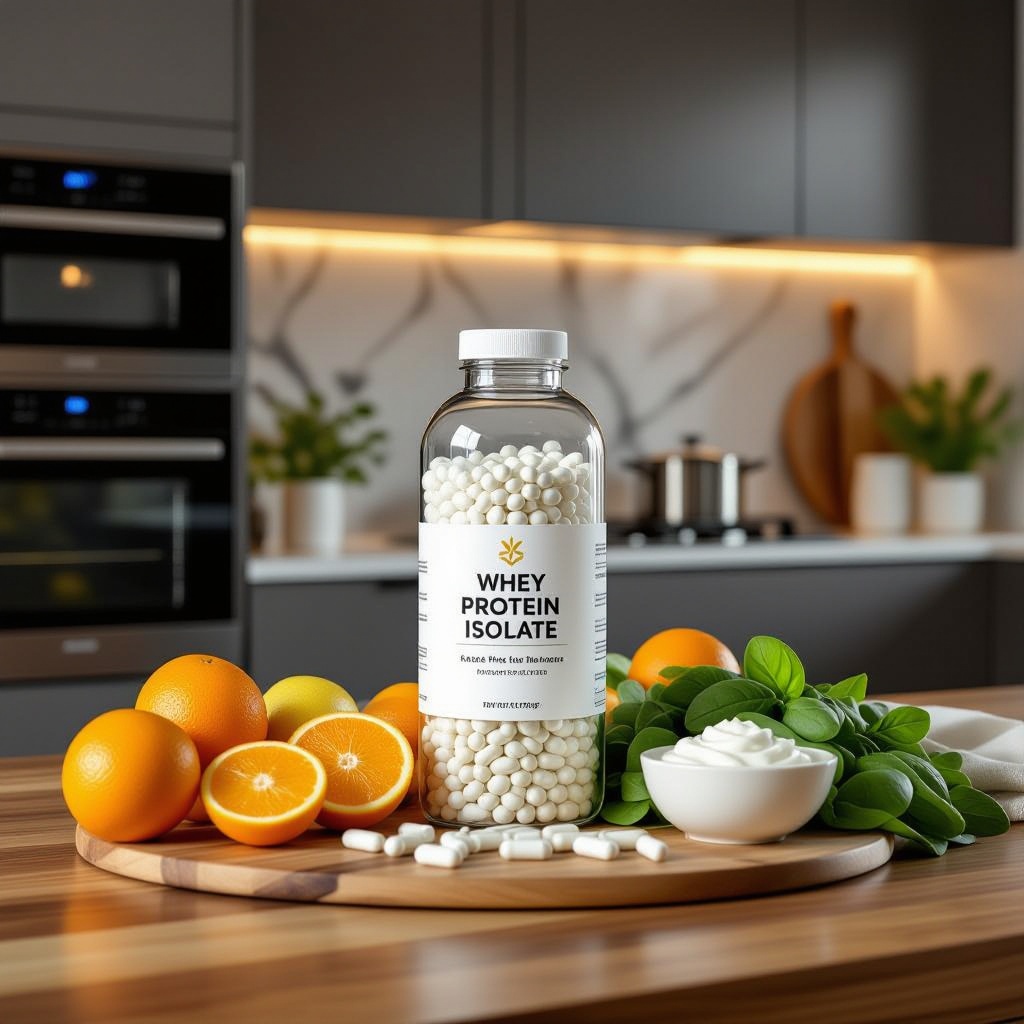
- Choose whey protein isolate over concentrate for higher protein content and lower fat.
Healthy Weight Gain: Strategies for Bulking Up
Gaining weight and bulking up in a healthy way requires a strategic approach to diet and exercise. In this article, we will explore the essential components of a muscle-building diet and the best practices to achieve your weight gain goals.
The Importance of Resistance Training
To effectively bulk up, incorporating resistance training into your exercise regimen is crucial. This type of training not only promotes muscle growth but also helps minimize fat gain. Pairing resistance training with vigorous aerobic exercise can further enhance your results.
Protein: The Building Block of Muscle
A key component of a muscle-building diet is high-quality protein. Here are some excellent sources:
- Lean meats: turkey, chicken, lean beef
- Fish: salmon and mackerel (avoid tuna)
- Eggs
- Dairy: Greek yogurt and cottage cheese
- Plant-based options: legumes and quinoa
Depending on your training intensity, aim for a protein intake of 1.2 to 2.2 grams per kilogram of body weight.
Incorporating Carbohydrates
In addition to protein, carbohydrates play an important role in muscle gain. Whole grains such as quinoa, sprouted whole grain bread, and oats, along with fruits and vegetables, provide essential vitamins and minerals. Timing your carbohydrate and protein intake around workouts can also be beneficial.
Healthy Fats for Extra Calories
Healthy fats are another source of calories that can support your weight gain goals. Include the following in your diet:
- Avocados
- Nuts and seeds
- Olive oil
- Fatty fish
For additional calorie intake, consider adding nut butters (such as almond or macadamia), dried fruits without added sugar, or smoothies made with full-fat Greek yogurt and protein powder.
Meal Frequency and Portion Sizes
To increase calorie intake, try having larger portions or more frequent meals. Eating five or six smaller meals throughout the day can make it easier to consume more calories compared to three large meals.
Choosing the Right Protein Powder
When selecting a protein powder, consider the following factors:
- Protein content: Whey protein isolate generally has a higher protein content than concentrate.
- Lactose levels: Whey isolate is often lower in lactose, making it suitable for those with lactose intolerance.
- Fat content: Isolate has less fat, resulting in fewer calories.
- Source: Opt for grass-fed whey for better nutritional value and omega-3 to omega-6 ratios.
- Processing method: Cold-processed or micro-filtered whey retains more natural nutrients.
One recommended product is NutraCost Grass-Fed Whey Protein Isolate. It’s affordable, organic, and has a high protein concentration without contaminants.
Conclusion
Bulking up in a healthy way requires a well-rounded approach, including proper nutrition, effective training, and the right supplements. Focus on high-quality proteins, healthy fats, and strategic meal timing to achieve your muscle growth goals.