End Picky Eating: What Parents Need to Know About Zinc, Gut Health & Food Aversions
Dr. Jolene BrightenPublished on June 9, 2026
Summary authored by editor@wellifi.com
TLDR Summary
Dr. Elisa Song emphasizes the importance of cultivating gut health in children by addressing nutrient deficiencies, particularly zinc, and incorporating a diverse, nutrient-dense diet. Understanding the gut microbiome's role can greatly influence children's overall health and development.
Key Points
- Zinc deficiency can lead to picky eating and sensory issues in children.
- Optimizing zinc levels can expand a child's food preferences significantly.
- Parents should incorporate zinc-rich foods into their child's diet and consider supplements if necessary.
- The gut microbiome plays a crucial role in children's health, influencing immunity and nutrient absorption.
- Strategies such as optimizing movement and regulating sleep can enhance gut health.
Cultivating Gut Health in Children: Insights from Dr. Elisa Song
In a world where children's diets often include picky eating and limited food variety, understanding how to cultivate gut health is essential. Dr. Elisa Song, a Stanford and UCSF-trained holistic pediatrician and founder of Whole Family Wellness, shares valuable insights on how to enhance gut health in children of all ages.
Understanding Nutrient Deficiencies
One of the primary reasons children can be picky eaters is due to nutrient deficiencies, particularly zinc. Dr. Song emphasizes the importance of addressing these deficiencies to change taste preferences and sensory experiences related to food.
When children are deficient in zinc, it can affect their sensory processing, making them more sensitive to smells, textures, and even sounds. Dr. Song suggests that optimizing zinc levels can significantly expand a child's palate. For instance, after a mother introduced liquid zinc to her daughter, who previously ate only three foods, the child began trying new foods including chicken and broccoli within just a month and a half.
Choosing the Right Zinc Supplement
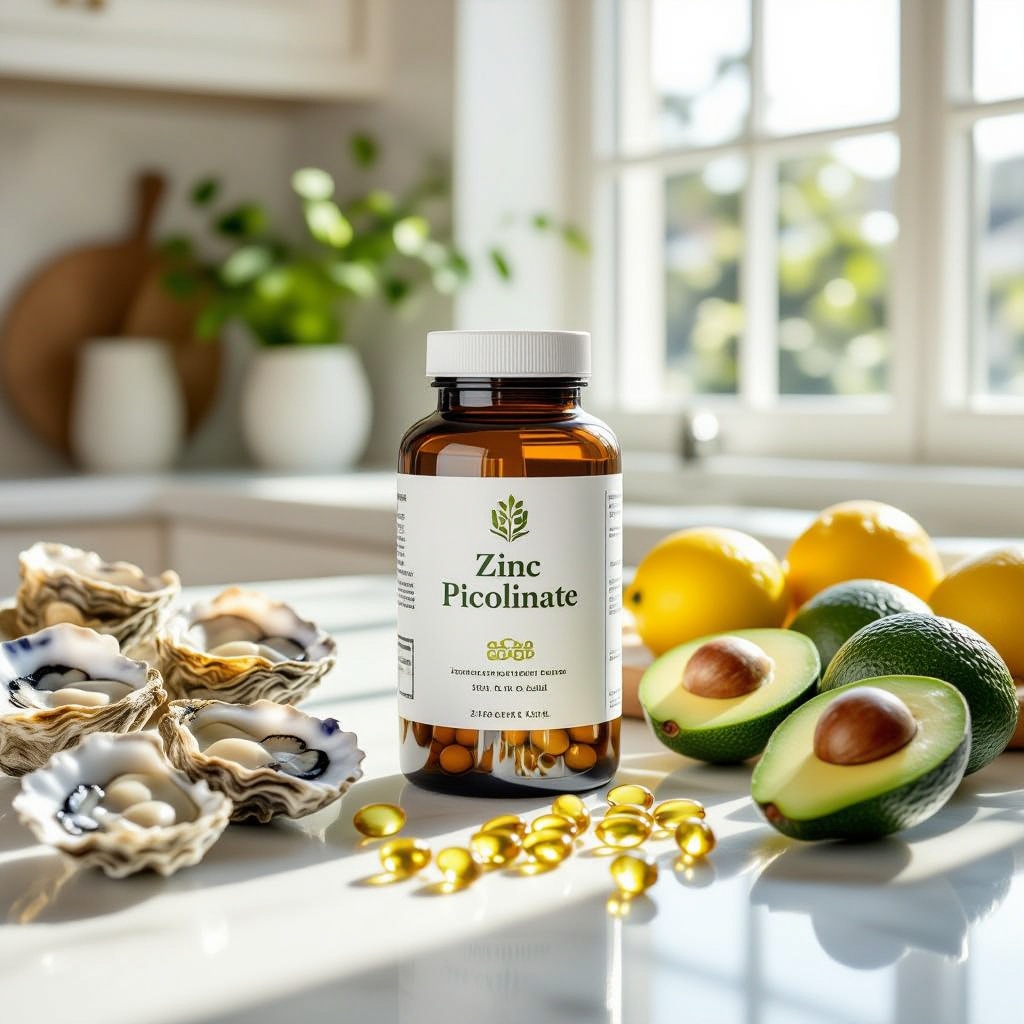
Dr. Song recommends various forms of zinc, noting that zinc picolinate and zinc glycinate are more easily absorbed. She advises starting with a lower dosage and adjusting based on needs, especially if a child exhibits symptoms of deficiency.
Building a Nutrient-Dense Diet
To promote gut health, Dr. Song encourages parents to incorporate foods rich in zinc, such as animal proteins, shellfish, legumes, nuts, and seeds. For vegetarian families, she suggests creative solutions like grinding pumpkin seeds into meals to boost zinc intake.
Moreover, pairing zinc-rich foods with quercetin-containing foods (like red apples and purple onions) can help enhance zinc absorption, demonstrating the importance of food combinations.
The Role of the Gut Microbiome
The gut microbiome is crucial for children's health, influencing their immune systems, brain development, and nutrient absorption. Dr. Song explains that a child's microbiome differs significantly from an adult's, especially in the early years. Understanding these differences can help in nurturing a healthy gut environment.
Functional medicine approaches, including stool tests, can provide insights into a child's microbiome and its development through various stages of childhood. This understanding is vital for addressing health issues like eczema and anxiety.
Five Key Strategies for Gut Health
Dr. Song outlines five essential practices for nurturing gut health, which she refers to as “microbiome magic.” Here are two of the strategies that can be implemented immediately:
- Optimize Movement: Encourage physical activity, which has been shown to improve gut microbiome diversity independent of diet.
- Regulate Sleep: Ensure children get adequate sleep to support their gut health and overall well-being.
By focusing on these areas, parents can help improve their children’s food preferences and overall gut health.
Conclusion
Dr. Elisa Song's insights provide a roadmap for parents seeking to enhance their children's gut health. By addressing nutrient deficiencies, building a diverse and nutrient-dense diet, and understanding the gut microbiome's role in health, parents can support their children's growth and development effectively. For a deeper dive into these strategies, consider exploring Dr. Song's book and other resources on holistic pediatric health.