Food vs Supplements: What Science Says About DHA, Toxins, and Longevity Nutrition | Dr. Fuhrman
Joel FuhrmanPublished on November 3, 2025
Summary authored by editor@wellifi.com
TLDR Summary
Modern diets may leave nutrient gaps that smart supplementation can address, especially concerning DHA and salt intake. By understanding the impact of environmental toxins and the importance of balanced nutrition, individuals can optimize their health and longevity.
Key Points
- Relying solely on food may not suffice in meeting nutrient needs; smart supplementation can fill gaps.
- DHA is essential for brain health, and modern fish may contain harmful toxins; consider high-quality supplements.
- Excessive salt intake can lead to serious health issues, particularly for those on vegan diets.
- Regular blood tests can help assess nutrient levels and inform dietary choices.
Understanding the Role of Smart Supplementation for Longevity
In today's health-conscious society, many individuals prefer to obtain their nutrients solely from food, driven by the belief that natural sources are superior. However, as health experts have observed, this approach may not be sufficient in addressing modern health challenges. In a recent discussion, health professionals Carrie and Dr. Fuhrman explored the importance of smart supplementation alongside a well-rounded diet to optimize longevity and health.
The Debate on Food vs. Supplements
While food is essential for health, the reality is that modern agricultural practices and environmental factors have altered the nutrient content of whole foods. Carrie pointed out that many health enthusiasts may not realize how to interpret recent research on nutrition. The conversation highlighted the fact that even well-intentioned diets can leave nutrient gaps that need to be filled through supplementation.
The Importance of DHA and Omega Fatty Acids
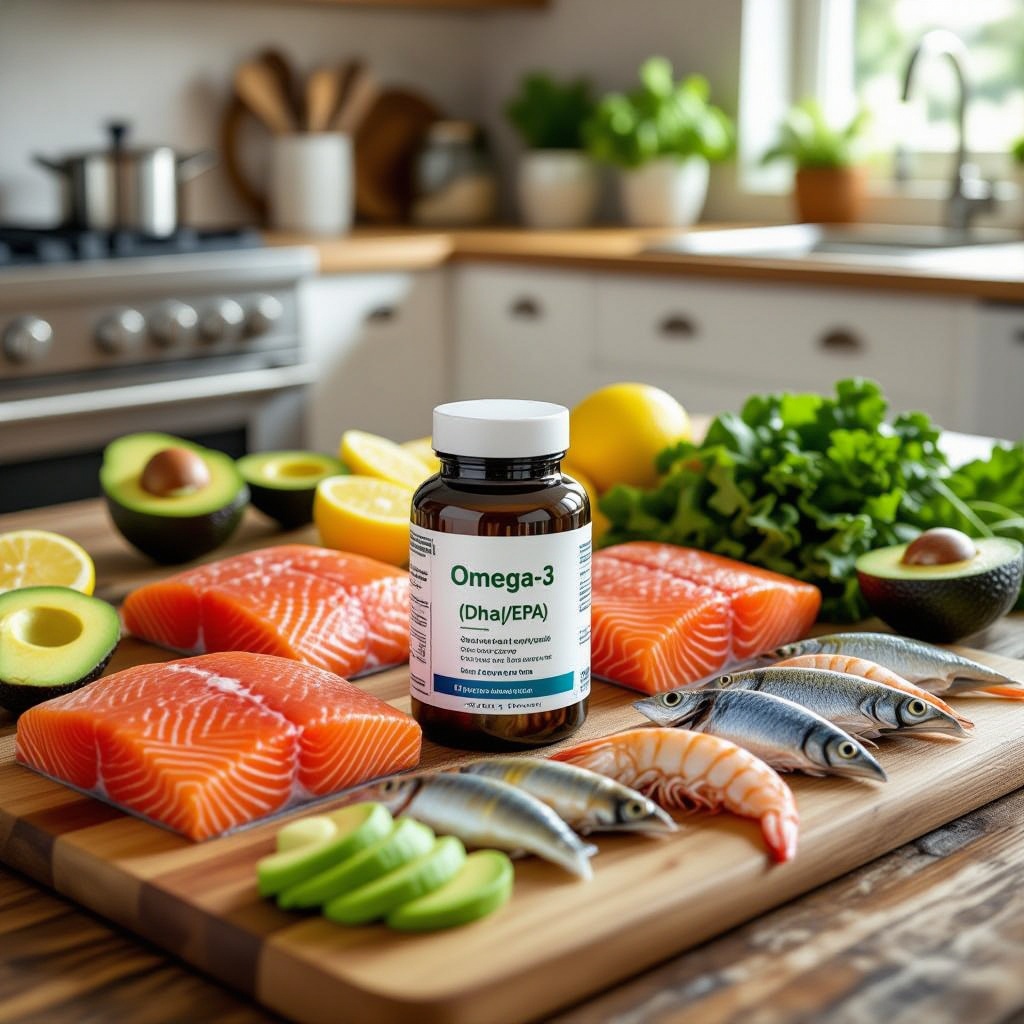
One critical nutrient discussed was DHA (Docosahexaenoic Acid), an omega-3 fatty acid primarily found in fish. However, Dr. Fuhrman raised concerns about the quality of fish available today, noting the presence of toxins like BMAA (a neurotoxin) that can accumulate in fish from contaminated waters. As a result, he advocates for supplementation with high-quality DHA instead of relying solely on fish consumption.
Research on Omega-3 Sources
- Flaxseeds and chia seeds are high in ALA (Alpha-Linolenic Acid) but do not efficiently convert to DHA.
- It may take years for the body to raise DHA levels through plant-based sources alone.
- Smart supplementation allows for immediate and effective increases in DHA levels.
Addressing Environmental Toxins
The discussion also touched on how environmental toxins, such as microplastics found in seafood, can impact health. Dr. Fuhrman highlighted that the average American has measurable plastic compounds in their system, which act as endocrine disruptors and could negatively affect lifespan.
Salt Intake and Brain Health
Another crucial topic was the impact of salt on health, particularly among vegans. Both speakers noted that while a vegan diet is beneficial, it can sometimes lead to excessive salt intake—especially in restaurant settings where dishes are often oversalted to enhance flavor. Dr. Fuhrman cautioned that high sodium consumption can lead to cognitive decline and increased risk of hemorrhagic strokes, particularly because vegans tend to have less protective plaque in their blood vessels.
Key Findings on Salt and Stroke Risk
- High salt intake can damage blood vessels, leading to increased risk of stroke.
- Vegans need to monitor their salt consumption throughout their lives to prevent potential health issues.
- Reducing salt intake can enhance nutrient delivery by improving blood flow.
Conclusion: The Path to Optimal Health
The conversation between Carrie and Dr. Fuhrman emphasizes the importance of combining dietary practices with smart supplementation to fill nutrient gaps and enhance overall health. By understanding the complexities of modern food sources and the role of environmental toxins, individuals can make informed choices to support their health and longevity.
Key Takeaways
- Relying solely on food may not suffice in meeting nutrient needs; smart supplementation can fill gaps.
- DHA is essential for brain health, and modern fish may contain harmful toxins; consider high-quality supplements.
- Excessive salt intake can lead to serious health issues, particularly for those on vegan diets.
- Regular blood tests can help assess nutrient levels and inform dietary choices.
TLDR Summary
Modern diets may leave nutrient gaps that smart supplementation can address, especially concerning DHA and salt intake. By understanding the impact of environmental toxins and the importance of balanced nutrition, individuals can optimize their health and longevity.