Food vs Supplements: What the Science Really Says About Nutrient Absorption | Dr. Fuhrman
Joel FuhrmanPublished on December 1, 2025
Summary authored by editor@wellifi.com
TLDR Summary
While a food-first approach is important, dismissing all supplements as harmful is misleading. Certain supplements, such as zinc and EGCG, can provide significant health benefits, especially when dietary sources are insufficient.
Key Points
- Food provides a full complement of nutrients and accessory factors that may not be present in supplements.
- Generalizing that all supplements are bad can lead to bias and overlook evidence supporting their benefits.
- Zinc supplementation has shown to significantly reduce the risk of prostate cancer and pneumonia-related deaths.
- Certain supplements like resveratrol and EGCG from green tea have demonstrated health benefits supported by research.
- An individualized approach to nutrition is essential, considering both dietary sources and potential supplementation.
The Role of Supplements in a Healthy Diet: A Discussion on Food First Philosophy
Introduction
The debate surrounding the use of dietary supplements versus getting nutrients from food has been a long-standing one. While many health professionals advocate for a food-first approach, there is a growing skepticism regarding the blanket statement that all supplements are harmful. In this article, we explore different perspectives on supplements, their potential benefits, and how to make informed decisions about their use.
Understanding the Food-First Philosophy
Many health advocates, including Dr. Fuhrman, emphasize the importance of obtaining nutrients from whole foods, which provide a range of essential compounds and accessory factors. For example, carotenoids like beta-carotene are best absorbed when consumed as part of a whole food source rather than as isolated supplements. However, this philosophy raises the question: should it lead us to dismiss all supplements as ineffective or harmful?
The Case Against Blanket Statements
While there are valid concerns about the efficacy and safety of certain supplements, it is incorrect to generalize that all supplements are bad. This perspective can create bias and neglect the evidence supporting the use of specific supplements. Each supplement should be evaluated on an individual basis, considering the available research and clinical evidence.
Evaluating the Evidence: A Closer Look at Zinc
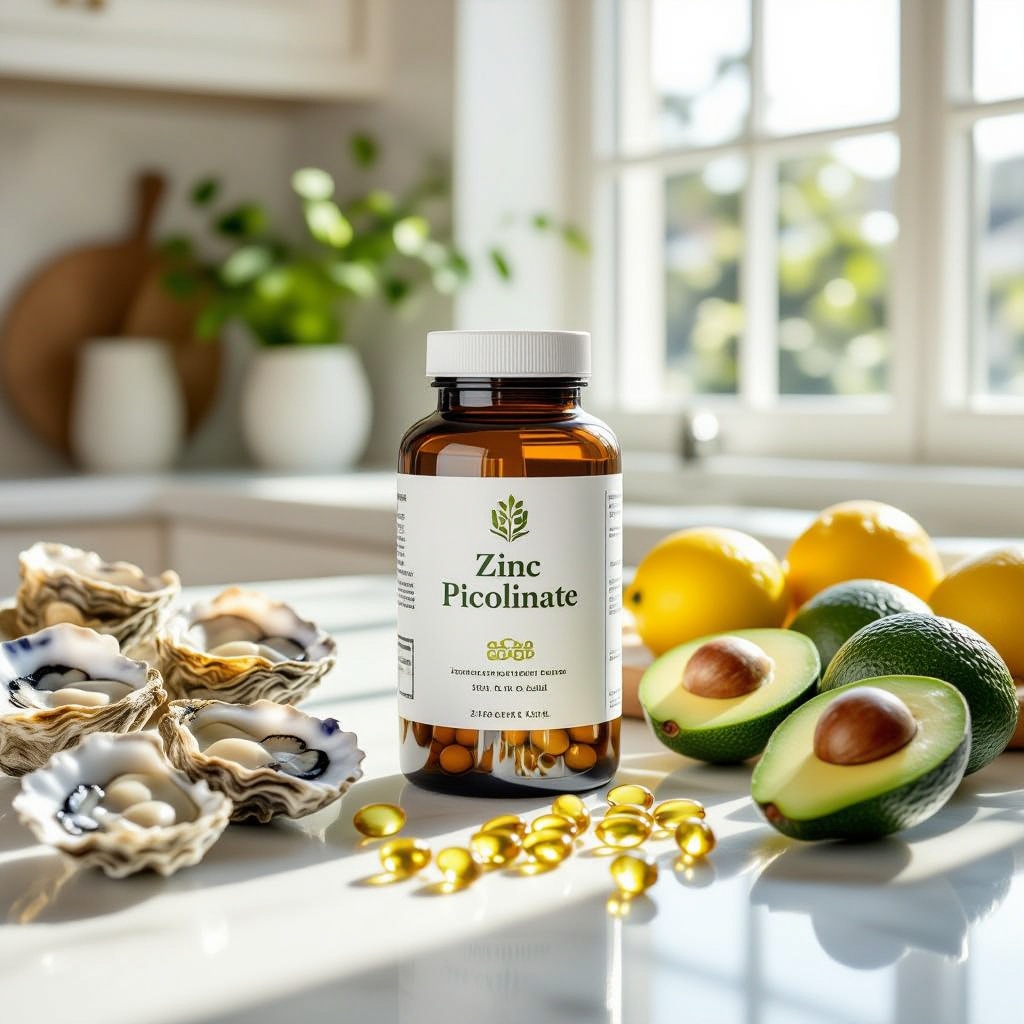
One nutrient that illustrates this point is zinc. Studies show that zinc supplementation may significantly reduce the risk of prostate cancer and pneumonia-related mortality in older adults. While dietary sources like oysters and red meat provide zinc, the presence of phytates in plant foods can inhibit zinc absorption, making supplementation beneficial for certain populations.
The Importance of Individualized Approaches
Dr. Fuhrman argues for a balanced approach—aiming to obtain nutrients from food while also recognizing the potential need for supplements in some cases. For instance, individuals who do not consume enough zinc-rich foods may benefit from a supplement to ensure adequate intake without relying solely on dietary sources.
When Supplements Can Be Beneficial
Not all supplements are created equal. Certain supplements have shown promising results in scientific studies, such as resveratrol and EGCG (epigallocatechin gallate) from green tea. These compounds have been associated with various health benefits, including cancer protection. Thus, when evidence strongly supports the use of a supplement, it may be worth considering its inclusion in a health regimen.
Specific Compounds Discussed
- Beta-Carotene: Best obtained from food sources due to the complexity of carotenoid interactions.
- Zinc: Beneficial for prostate health and immunity; may require supplementation, especially in older adults.
- Resveratrol: Suggested to offer protective benefits against cancer; studies are ongoing.
- EGCG: Found in green tea; associated with numerous health benefits.
- Curcumin: Present in turmeric; known for its anti-inflammatory properties.
Conclusion
In conclusion, while a food-first philosophy is ideal, it is essential to approach the use of supplements with an open mind and a critical eye. Not every supplement is harmful, and many can provide significant health benefits when used appropriately. The key is to evaluate each supplement based on scientific evidence and individual dietary needs rather than adhering to a blanket philosophy that may overlook viable health solutions.