Gut Health Secrets: The Missing Link to Hormone Balance
Dr. Jolene BrightenPublished on July 10, 2025
Summary authored by editor@wellifi.com
TLDR Summary
The connection between gut health and hormones is crucial for overall well-being. Optimizing your gut can significantly influence hormonal balance, especially regarding estrogen and thyroid function. Implementing dietary changes and stress management strategies can lead to improved health outcomes.
Key Points
- The gut microbiome influences estrogen levels through the estrobolome.
- An imbalance in gut bacteria can lead to symptoms of estrogen dominance.
- Polyphenols and fiber are essential for supporting gut health.
- Cruciferous vegetables help with liver health and estrogen metabolism.
- Stress and circadian rhythm disruptions can negatively impact gut health and hormones.
The Vital Connection Between Gut Health and Hormones
Did you know that your gut bacteria can influence how much estrogen circulates in your body? Welcome back to the Dr. Brighton Show. I'm your host, Dr. Jolene Brighton, and today we're diving into the powerful connection between your gut and your hormones. If you've struggled with issues such as fatigue, PMS, period pain, thyroid issues, anxiety, infertility, or PCOS, this episode is for you. Your gut is not just about digestion; it's your hormonal headquarters!
The Role of the Estrobolome
Your liver processes excess estrogen for elimination, but your gut microbiome plays a crucial role in this process. The estrobolome, a specific group of gut bacteria, produces an enzyme called beta glucuronidase, which can reactivate estrogen that your liver has packaged for excretion. An excess of beta glucuronidase can lead to symptoms of estrogen dominance, such as:
- Heavy periods
- Breast tenderness
- Mood swings
- Cyclical headaches or migraines
- Histamine issues
While the reabsorption of estrogen can be beneficial in times of deficiency (like postpartum or during menopause), an imbalance in gut bacteria can lead to dysbiosis, resulting in excessive estrogen reabsorption and related symptoms.
Optimizing Gut Health for Hormonal Balance
To achieve hormonal balance, it’s essential to optimize gut health. Here are some strategies to support your gut and hormones:
1. Incorporate Polyphenols and Fiber
Polyphenols promote microbial diversity and support beneficial bacteria. Foods high in polyphenols include:
- Blueberries
- Raspberries
- Green tea
- Pomegranates
- Dark chocolate
- Coffee
Additionally, aim to consume 25-30 grams of fiber daily to support gut health.
2. Focus on Cruciferous Vegetables
Cruciferous vegetables like broccoli, cauliflower, and kale provide compounds like DIM and sulforaphane, which support liver health and estrogen metabolism.
3. Prioritize Probiotic-Rich Foods
Incorporate fermented foods into your diet, such as:
- Sauerkraut
- Kefir
- Kimchi
- Miso
These foods help maintain a healthy gut microbiome.
4. Supplement Wisely
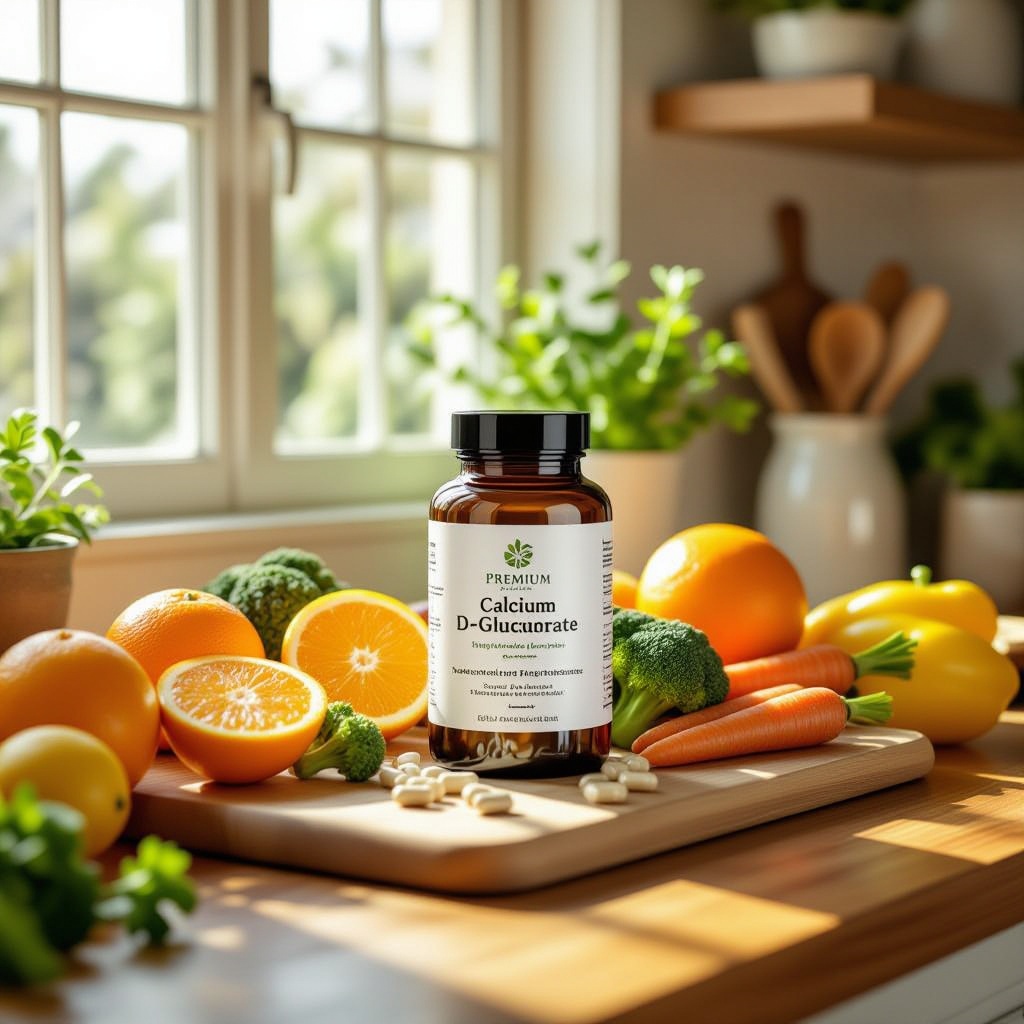
Consider supplements like calcium d-glucarate to support liver detoxification and reduce beta glucuronidase activity. You can also include DIM supplements and selenium-rich foods to further assist in estrogen metabolism.
The Gut-Thyroid Connection
Your gut also plays a crucial role in thyroid hormone activation. The gut microbiome converts T4 (inactive thyroid hormone) to T3 (active thyroid hormone). An imbalance can lead to symptoms of hypothyroidism. Autoimmune conditions like Hashimoto's and Graves' disease are also connected to gut health.
Managing Stress for Better Gut Health
Chronic stress can damage the gut lining, leading to dysbiosis and inflammation. Implementing daily stress-reducing rituals, such as deep breathing exercises and regular physical activity, can support both gut and hormonal health.
Chrononutrition: Eating in Rhythm with Your Body
Recent research suggests that aligning your eating patterns with your circadian rhythm can optimize gut health. Aim to eat during daylight hours and avoid late-night eating to support digestion and hormone balance.
Conclusion
Your gut is a vital part of your hormonal health. By optimizing your gut health through diet, supplementation, and lifestyle changes, you can significantly improve your hormonal balance. Remember, your gut is not just about digestion; it influences your entire body's health.
If you found this information helpful, please share it with someone who might benefit. And don't forget to leave a review!