Hashimoto’s Hypothyroidism: How to Heal the Root Cause and Reclaim Your Energy | Dr. Izabella Wentz
Dr. Jolene BrightenPublished on May 15, 2025
Summary authored by editor@wellifi.com
TLDR Summary
Hashimoto's thyroiditis is an autoimmune condition leading to hypothyroidism, often overlooked in terms of symptoms and causes. Dr. Isabella Wentz emphasizes the importance of lifestyle changes, dietary adjustments, and understanding thyroid medications to manage this condition effectively.
Key Points
- Hashimoto's is an autoimmune condition leading to hypothyroidism with symptoms that can vary widely.
- Thyroid medications like levothyroxine may not work for everyone; lifestyle changes are crucial.
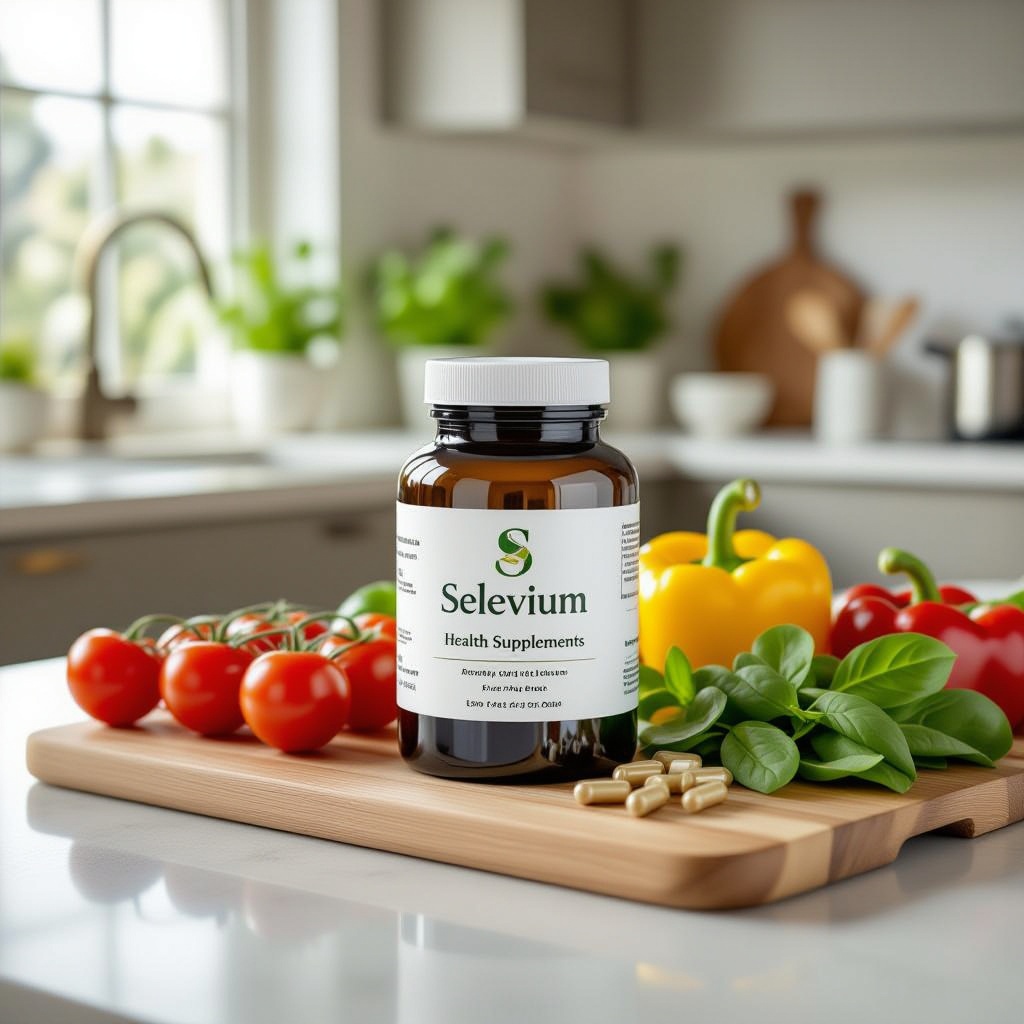
- Key nutrients such as selenium, myoinositol, and thiamine can support thyroid health.
- Environmental toxins can negatively impact thyroid function; reducing exposure is essential.
- Dietary changes, including gluten elimination, can provide symptom relief for many individuals.
Understanding Hashimoto's: Insights from Dr. Isabella Wentz on Thyroid Health
In today's health blog, we delve into the complexities of Hashimoto's thyroiditis, an autoimmune condition that affects the thyroid gland and can lead to hypothyroidism. We draw insights from the enlightening discussion between Dr. Jolene Brighton and Dr. Isabella Wentz, a renowned pharmacist and thyroid expert, who shares her expertise on this condition and how to manage it effectively.
What is Hashimoto's Thyroiditis?
Hashimoto's thyroiditis is an autoimmune disorder wherein the immune system mistakenly attacks the thyroid gland, resulting in inflammation and impaired hormone production. This condition can lead to various symptoms, including fatigue, weight gain, and mood changes. Dr. Wentz emphasizes that many people do not understand the underlying causes of Hashimoto's, often leading to frustration in managing their health.
Symptoms and Common Misconceptions
Dr. Wentz highlights several symptoms that may be overlooked:
- Hair loss
- Weight gain
- Fatigue
- Cold intolerance
- Digestive issues such as irritable bowel syndrome (IBS)
- Reproductive issues, including multiple miscarriages
- Anxiety and panic attacks
- Carpal tunnel syndrome
It is crucial to recognize that these symptoms can manifest differently for each individual and may not always be linked directly to thyroid function, making it essential to explore comprehensive testing and diagnosis.
Understanding the Role of Thyroid Medication
Dr. Wentz discusses the common medication options for managing hypothyroidism, emphasizing that while medications like levothyroxine can be beneficial, they may not work for everyone. The conversion of T4 (inactive hormone) to T3 (active hormone) can be affected by various factors, including stress and nutritional deficiencies. Dr. Wentz suggests focusing on lifestyle changes alongside medication for optimal health outcomes.
Key Nutrients for Thyroid Health
To support thyroid function, Dr. Wentz recommends:
- Selenium: Shown to reduce thyroid antibodies when taken in appropriate doses.
- Myoinositol: Often used in conjunction with selenium for better outcomes.
- Thiamine (Vitamin B1): Can alleviate debilitating fatigue associated with thyroid issues.
- Magnesium: Helpful in managing symptoms and aiding in digestion.
Additionally, Dr. Wentz emphasizes the importance of addressing stress and maintaining a balanced diet for overall thyroid health.
The Impact of Environmental Factors
Environmental toxins can significantly impact thyroid health. Dr. Wentz discusses the role of substances like fluoride, bromine, and endocrine disruptors found in plastics, which can interfere with thyroid function. She advocates for reducing exposure to these toxins and supporting liver function to help mitigate their effects.
Diet and Lifestyle Changes
Dr. Wentz suggests specific dietary changes for those with Hashimoto's:
- Avoid gluten, as many people with Hashimoto's experience relief from symptoms after eliminating it.
- Consider reducing dairy and soy, which may trigger symptoms in a significant percentage of individuals.
- Focus on a diet rich in healthy fats, proteins, and fiber to stabilize blood sugar levels.
- Incorporate cruciferous vegetables, which can aid in detoxification and hormone balance.
These dietary alterations, combined with stress management techniques like regular exercise, mindfulness practices, and adequate sleep, can greatly enhance the quality of life for those with Hashimoto's.
Conclusion
Living with Hashimoto's thyroiditis can be challenging, but with the right information and support, individuals can take control of their health. Dr. Isabella Wentz's insights shed light on the importance of addressing root causes, making informed dietary choices, and understanding the role of thyroid medications. By prioritizing self-care and seeking comprehensive treatment, those affected by Hashimoto's can work towards achieving remission and improving their overall well-being.
Key Takeaways
- Hashimoto's is an autoimmune condition leading to hypothyroidism with symptoms that can vary widely.
- Thyroid medications like levothyroxine may not work for everyone; lifestyle changes are crucial.
- Key nutrients such as selenium, myoinositol, and thiamine can support thyroid health.
- Environmental toxins can negatively impact thyroid function; reducing exposure is essential.
- Dietary changes, including gluten elimination, can provide symptom relief for many individuals.
For more resources and information, visit Dr. Jolene Brighton's website at drbrighton.com.