Hormone Havoc - Signed + Live Q&A
Amy Shah MDPublished on February 19, 2026
Summary authored by editor@wellifi.com
TLDR Summary
In this live Q&A, Dr. Amy Shah and Dr. Vonda Wright discuss how menopause doesn't have to be the worst time of life. By focusing on nutrition, exercise, and understanding hormonal changes, women can thrive during this transformative phase.
Key Points
- Menopause can be one of the best times in a woman's life, not a decline.
- Foundational lifestyle choices are crucial for hormonal health.
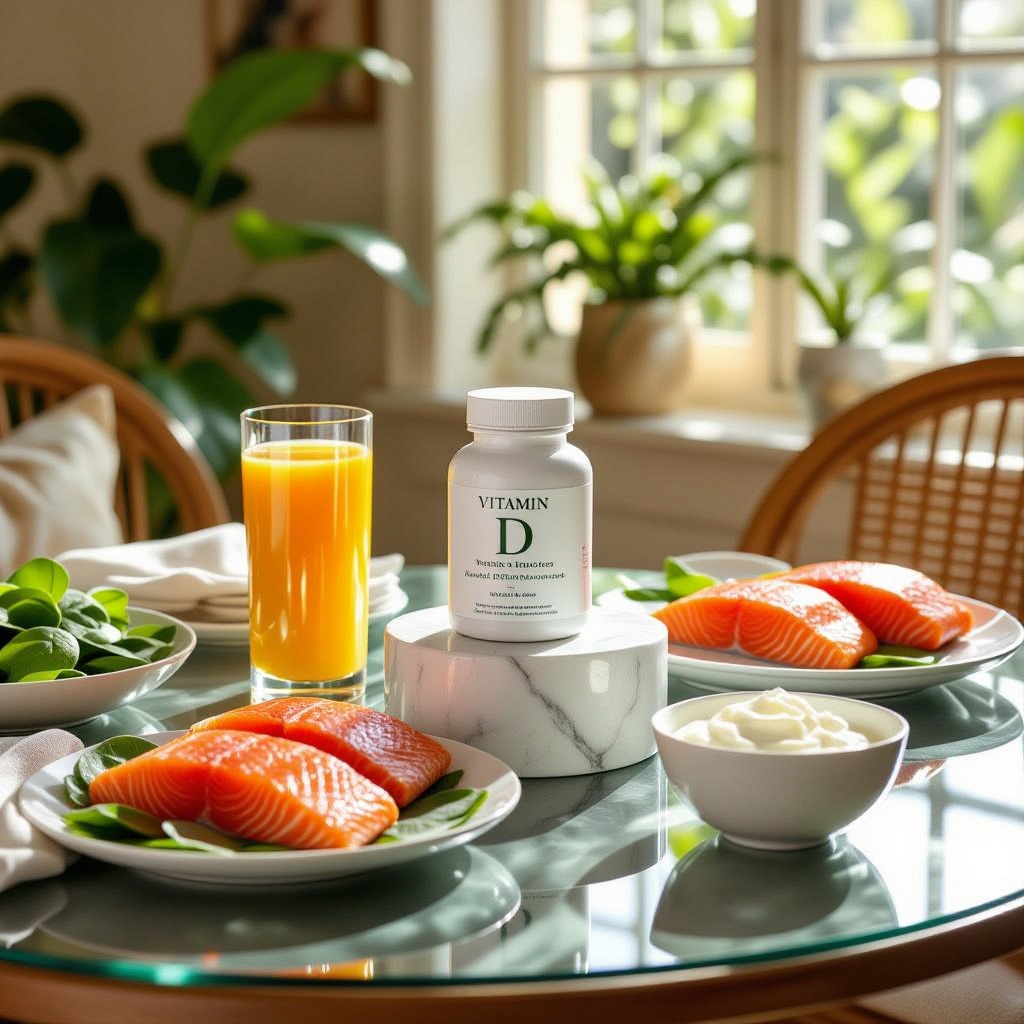
- Key supplements include Vitamin D, magnesium, and omega-3 fatty acids.
- Nutrition plays a vital role in managing hormonal balance.
- Understanding hormonal changes empowers women to take control of their health.
Hormone Havoc: Empowering Women Through Menopause and Beyond
Welcome to our live Q&A session on Hormone Havoc, where we address common misconceptions and share insights about menopause, perimenopause, and overall hormonal health. Join Dr. Amy Shah and Dr. Vonda Wright as they discuss how to thrive during these transformative years of life.
Introduction
Many women harbor misconceptions about menopause, believing it to be a decline in vitality and joy. However, Dr. Amy Shah, author of a new handbook for women, challenges this notion by emphasizing that these years can be the most fulfilling of your life. With the right approach to nutrition, exercise, and hormone management, women can unlock their true potential during this phase.
Common Misconceptions About Menopause
One major misconception is that menopause signifies the worst years of a woman's life. Dr. Shah highlights that this time can actually be an opportunity for personal growth and self-discovery. She encourages women to see this phase as a chance to harness their untapped gifts and thrive.
Supplements and Hormonal Health
During the session, the discussion shifted towards the overwhelming world of supplements. Both doctors agree that while many women take supplements, it's important to focus on quality and efficacy. They suggest that foundational lifestyle choices—like a balanced diet that emphasizes anti-inflammatory nutrition, weight training, and proper sleep—are crucial before considering supplementation.
Key Supplements for Women
- Vitamin D: Essential for overall health and hormonal balance.
- Magnesium: Supports muscle and nerve function.
- Omega-3 Fatty Acids: Important for heart health and reducing inflammation.
The Role of Nutrition
Dr. Shah and Dr. Wright emphasize the importance of nutrition in managing hormonal health. Foods rich in fiber and polyphenols, such as berries, avocados, and chia seeds, are particularly beneficial. These foods help support gut health, which is critical for hormone regulation.
Foods to Incorporate
- Berries: High in polyphenols and fiber, beneficial for brain and hormonal health.
- Avocado: A source of healthy fats and fiber.
- Chia Seeds: Packed with fiber, can lower overall mortality risk.
Understanding Hormonal Changes
Dr. Wright points out that menopause is a natural part of aging, and understanding hormonal changes can empower women to make informed decisions about their health. The doctors urge women to view hormones as friends rather than enemies, as they play vital roles in energy, mood, and overall well-being.
Conclusion
The live session concluded with a message of hope and empowerment. Dr. Shah and Dr. Wright remind women that they have the power to influence their health through choices related to nutrition, exercise, and hormonal management. As women navigate menopause and beyond, the right resources and support can lead to a thriving life.
Key Takeaways
- Menopause can be one of the best times in a woman's life, not a decline.
- Foundational lifestyle choices are crucial for hormonal health.
- Key supplements include Vitamin D, magnesium, and omega-3 fatty acids.
- Nutrition plays a vital role in managing hormonal balance.
- Understanding hormonal changes empowers women to take control of their health.
TLDR Summary
In this live Q&A, Dr. Amy Shah and Dr. Vonda Wright discuss how menopause doesn't have to be the worst time of life. By focusing on nutrition, exercise, and understanding hormonal changes, women can thrive during this transformative phase.