How to eradicate small, dense LDL particles naturally
Dr. William DavisPublished on July 27, 2026
Summary authored by editor@wellifi.com
TLDR Summary
Focusing on small dense LDL particles offers a more effective approach to reducing heart disease risk than managing cholesterol levels. By eliminating harmful foods, restoring essential nutrients, and improving gut health, individuals can significantly enhance their metabolic health and overall well-being.
Key Points
- Managing cholesterol is an outdated approach.
- Small dense LDL particles significantly contribute to coronary disease.
- Eliminating wheat, grains, and sugars can effectively reduce small dense LDL.
- Restoring nutrients like Vitamin D, Magnesium, Omega-3s, and Iodine is crucial for metabolic health.
- Addressing gut health through fermented foods can further improve overall health.
The Truth About Small Dense LDL Particles and Heart Disease
If you've been following my conversations, you now know that managing cholesterol is an outdated approach. The focus on cholesterol should have been discarded decades ago. Instead, over the past 40 years, extensive research has uncovered the science behind small dense LDL particles, which are a significant contributor to coronary disease.
Understanding Small Dense LDL Particles
Small dense LDL particles are not just a standalone issue; they occur alongside various other metabolic distortions that lead to coronary disease, heart attacks, and sudden cardiac death. When there is an excess of these particles in the bloodstream, several concerning markers, including fatty liver, high triglycerides, elevated fasting glucose, and increased inflammation, can arise.
Why Small Dense LDL Is Not Discussed More Widely
Despite the overwhelming evidence, small dense LDL particles are often overlooked in favor of statin drugs and other cholesterol medications. This is largely due to the profit-driven nature of the healthcare system, where financial incentives overshadow patient health. However, eradicating small dense LDL particles can be achieved quickly and economically through dietary changes and specific supplements, rather than through pharmaceuticals.
Dietary Changes to Combat Small Dense LDL
The first step in reducing small dense LDL particles is to eliminate foods that trigger liver de novo lipogenesis. This includes:
- Wheat
- Grains
- Sugars
By avoiding these foods, you can significantly reduce the formation of small dense LDL particles without having to limit calories or fats. Instead, focus on consuming whole, real foods such as:
- Meats
- Fish
- Poultry
- Eggs
- Fruits and Vegetables
- Olive Oil
Essential Nutrients to Restore Balance
In addition to dietary changes, restoring nutrients that are often lacking in modern diets is crucial. The following supplements can help:
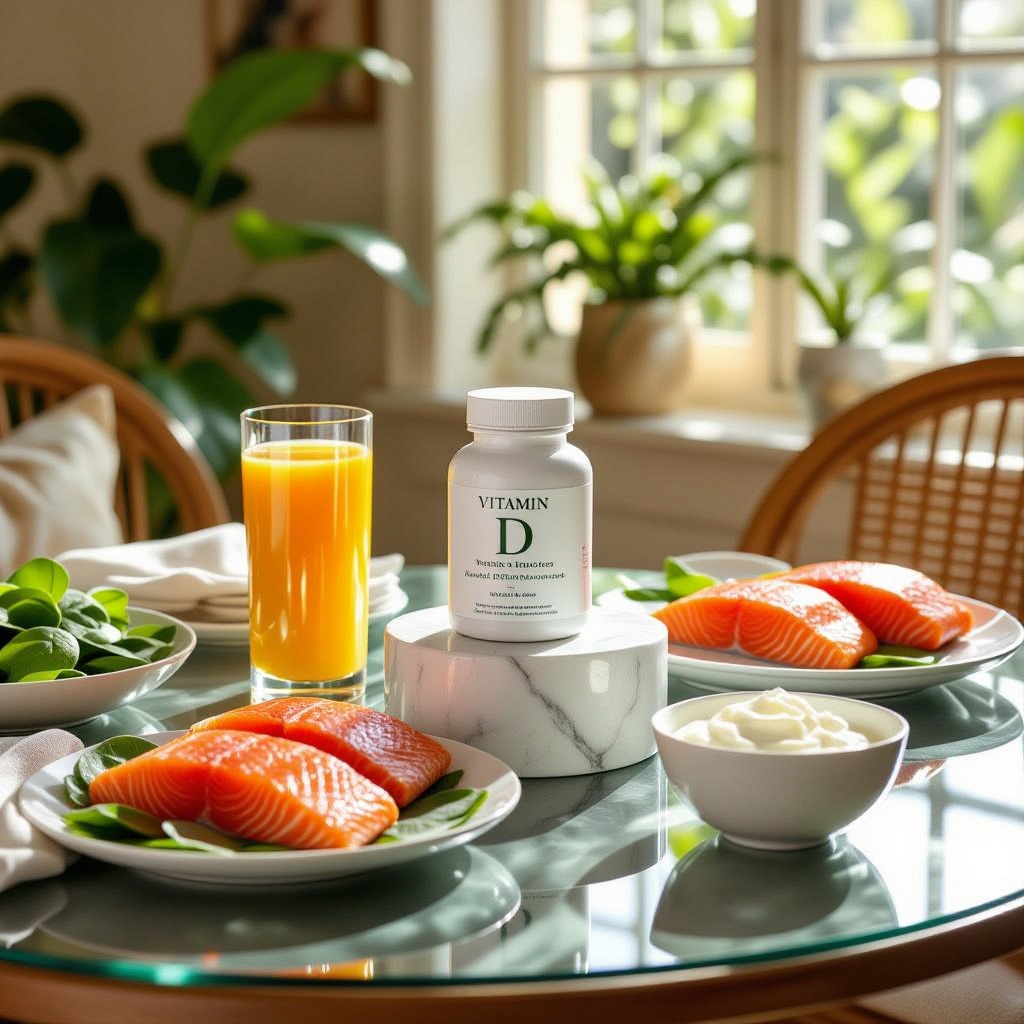
- Vitamin D: Essential for overall health, with a recommended dosage of about 1,000 units per 25 pounds of body weight.
- Magnesium: Important for many bodily functions, aim for 400 to 500 mg daily.
- Omega-3 Fatty Acids: Crucial for heart health, an ideal dosage is 3,600 mg of EPA and DHA per day.
- Iodine: Necessary for thyroid health, aim for 300 to 450 micrograms daily.
Addressing Gut Health
A disrupted gastrointestinal microbiome contributes to various health problems, including increased small dense LDL particles. To restore gut health, consider incorporating fermented foods into your diet, such as:
- Kefir
- Kombucha
- Fermented vegetables
These foods can help rebuild a healthy microbiome, which is essential for reducing inflammation and improving overall health.
Conclusion
Focusing on small dense LDL particles is a more effective approach to reducing heart disease risk than the traditional emphasis on cholesterol. By eliminating harmful foods, restoring essential nutrients, and maintaining gut health, you can significantly improve your metabolic markers and overall health. It’s about addressing the root causes rather than just symptoms.
For those interested in further discussions on this topic, consider joining my inner circle at drdavisinfinitehealth.com, where we share experiences and the latest science on health and nutrition.