How to Get Pregnant Easily and Faster: The Fertility Secrets Doctors Don’t Tell You
Dr. Jolene BrightenPublished on March 18, 2025
Summary authored by editor@wellifi.com
TLDR Summary
Dr. Amy Ade and Dr. Jolene Brighton discuss the importance of understanding fertility beyond just age. Women should prioritize their egg and mitochondrial health, consider early interventions for conditions like endometriosis and PCOS, and explore emerging treatments to enhance their reproductive outcomes.
Key Points
- Age 35 is not a definitive age for fertility decline; women should prioritize egg and mitochondrial health.
- Conditions like endometriosis and PCOS can impact fertility, necessitating early intervention.
- Women should consider comprehensive testing and monitoring for informed fertility decisions.
- Lifestyle changes and specific supplements can support mitochondrial health.
- Emerging treatments like GLP-1 medications and rapamycin may enhance fertility outcomes.
Understanding Fertility: Insights from Dr. Amy Ade
Introduction
As women age, the complexities of fertility become more pronounced. In this insightful discussion between Dr. Jolene Brighton and Dr. Amy Ade, known as the "Egg Whisperer," the conversation focuses on the myths surrounding age and fertility as well as actionable steps women can take to enhance their reproductive health.
The Impact of Age on Fertility
Dr. Ade emphasizes that many women are misled by the notion of an "egg cliff" at age 35. Instead, the decline in fertility is more gradual, and factors such as mitochondrial health play a crucial role. The decline in mitochondrial health can lead to increased chromosomal abnormalities in eggs, ultimately affecting embryo viability.
Common Myths About Age and Fertility
- Age 35 is not a definitive cutoff for fertility.
- Women should focus on egg health and mitochondrial health rather than just age.
- Fertility testing and consultation are essential for understanding individual reproductive health.
Key Factors Affecting Fertility
Several conditions can affect a woman's ability to conceive, including endometriosis and polycystic ovary syndrome (PCOS). Dr. Ade highlights the importance of early intervention and consideration of fertility preservation methods, such as egg freezing, especially for women diagnosed with these conditions.
Testing and Monitoring for Fertility
Dr. Ade recommends getting hormone levels checked, including Anti-Müllerian Hormone (AMH), and conducting ultrasounds to identify potential fertility threats like endometriosis and adenomyosis. Armed with this information, women can make informed decisions about their fertility journey.
Supporting Mitochondrial Health
To support mitochondrial health, Dr. Ade suggests a combination of lifestyle changes and specific supplements. Simple yet effective actions include:
- Eating a nutritious diet rich in whole foods
- Managing stress levels
- Exercising regularly, including strength training
- Avoiding environmental toxins
Supplement Recommendations
Dr. Ade shares some of her favorite supplements for enhancing egg health:
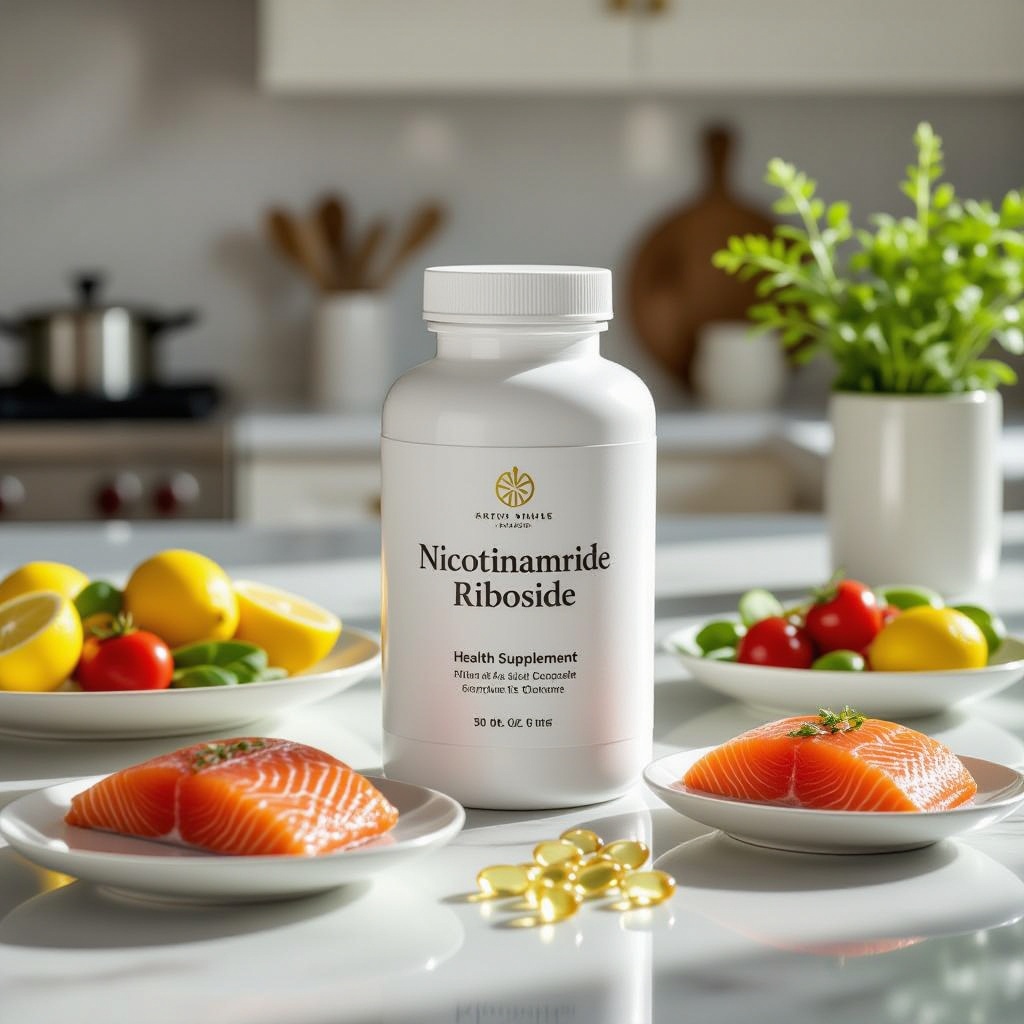
- Nicotinamide riboside
- CoQ10
- Resveratrol
Emerging Treatments in Fertility
The conversation also covers innovative treatments, such as GLP-1 medications and rapamycin, which can improve ovarian function and egg quality. These treatments offer hope to women who may face challenges in conceiving.
GLP-1 Medications
Dr. Ade describes GLP-1 medications like Ozempic and Manjaro as valuable tools for managing weight and inflammation, which can positively influence fertility.
Rapamycin
Rapamycin is discussed as a potential way to enhance egg quality and increase the chances of successful IVF outcomes.
Conclusion
The insights shared by Dr. Amy Ade remind us that understanding fertility is not just about age; it's about being informed, proactive, and caring for our overall health. Women are encouraged to seek expert advice and explore their options to empower their fertility journey.
Key Takeaways
- Age 35 is not a definitive age for fertility decline; women should prioritize egg and mitochondrial health.
- Conditions like endometriosis and PCOS can impact fertility, necessitating early intervention.
- Women should consider comprehensive testing and monitoring for informed fertility decisions.
- Lifestyle changes and specific supplements can support mitochondrial health.
- Emerging treatments like GLP-1 medications and rapamycin may enhance fertility outcomes.
TLDR Summary
Dr. Amy Ade and Dr. Jolene Brighton discuss the importance of understanding fertility beyond just age. Women should prioritize their egg and mitochondrial health, consider early interventions for conditions like endometriosis and PCOS, and explore emerging treatments to enhance their reproductive outcomes.