How to Heal Your Gut After Antibiotics (Most People Never Do)
Dr. Eric Berg DCPublished on October 17, 2026
Summary authored by editor@wellifi.com
TLDR Summary
Healing your gut after antibiotics is essential for restoring health. Implementing probiotics, fermented foods, and mindful antibiotic use can help in recovering gut microbiome balance and overall well-being.
Key Points
- Antibiotics disrupt gut microbiome balance and can lead to long-term health issues.
- Narrow-spectrum antibiotics may be preferable to broad-spectrum options.
- Probiotics can aid in gut recovery, but choose strains that survive stomach acid.
- Fermented foods like sauerkraut provide diverse microbes and reduce inflammation.
- Avoid unnecessary antibiotic prescriptions to protect gut health.
How to Heal Your Gut After Antibiotics
Antibiotics can be a necessary tool in combating bacterial infections, but their impact on gut health is often underestimated. Many individuals, including myself, have relied on antibiotics throughout our lives, frequently without considering the long-term consequences. This article explores how to effectively heal your gut after antibiotic use and restore your microbiome.
The Impact of Antibiotics on Gut Health
Antibiotics, while effective against bacterial infections, can severely disrupt the gut microbiome. Contrary to the belief that our gut will fully recover after antibiotic treatment, the reality is that the microbial diversity may never return to its original state. Instead, new strains may dominate, and antibiotic resistance can develop over time. This disruption can lead to various health issues, including:
- Depression and anxiety due to altered serotonin production.
- Constipation and digestive problems due to a lack of essential microbes.
- Increased risk of secondary infections from opportunistic pathogens.
Types of Antibiotics
There are two main types of antibiotics:
- Broad-Spectrum Antibiotics: These target a wide variety of bacteria, often leading to significant disruption in the microbiome.
- Narrow-Spectrum Antibiotics: These focus on specific bacteria and may be a better option if possible.
It's essential to discuss with your healthcare provider the possibility of using narrow-spectrum antibiotics whenever appropriate.
Strategies for Gut Recovery
To aid in the recovery of your gut microbiome after antibiotic treatment, consider the following strategies:
1. Probiotics
While probiotics can help restore some microbial balance, they often contain only a limited number of strains compared to the vast diversity present in the gut. It's beneficial to take probiotics during antibiotic use to introduce good bacteria. However, ensure you choose high-quality probiotics that can survive stomach acid.
2. Fermented Foods
Fermented foods, particularly sauerkraut, are invaluable for gut health. Sauerkraut contains diverse microbes that can withstand harsh stomach environments and provide numerous health benefits:
- It supplies prebiotics that nourish beneficial gut bacteria.
- It helps reduce inflammation, as shown in research contrasting high-fiber diets with high-fermented food diets.
For optimal benefits, consume raw sauerkraut from the refrigerated section of your grocery store.
3. Nutritional Support
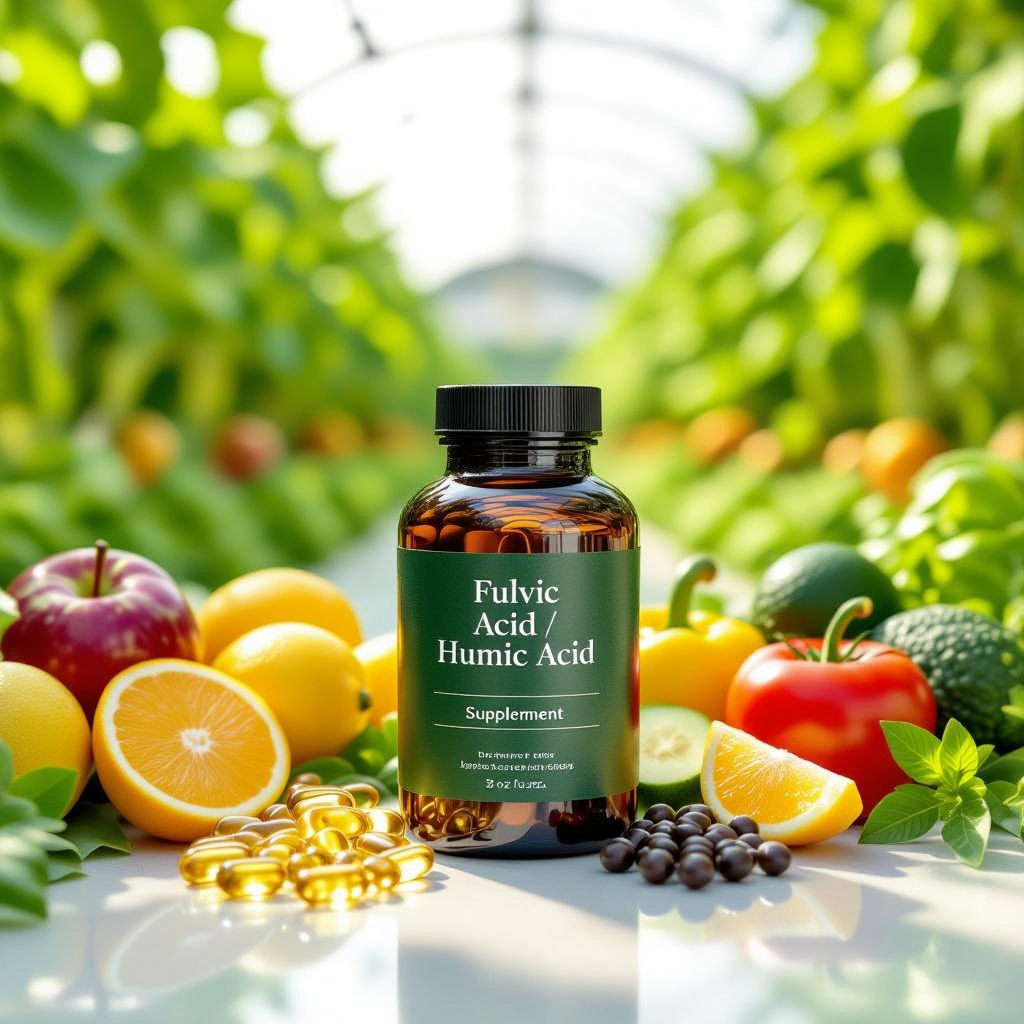
Incorporate foods rich in polyphenols, such as dark chocolate and cacao, which can further support gut health. Additionally, consider adding fulvic and humic acid supplements to your routine, as they can act as antioxidants and enhance your microbiome environment.
4. Avoiding Unnecessary Antibiotics
Be mindful of the overuse of antibiotics. They are not effective against viral infections, and each use can contribute to the ongoing disruption of your microbiome.
Conclusion
Healing your gut after antibiotics is a crucial step toward restoring your health and well-being. By implementing a combination of probiotics, fermented foods, and nutritional support, you can help repair the damage caused by antibiotic use. Remember, the journey to gut health is a personal one, and experimenting with different dietary approaches can lead you to the best outcome.
For more comprehensive guidance, consider downloading my free daily routine checklist designed to help you optimize your health.