How to Manage Menopause Symptoms & Balance Hormones Naturally
Dr. Josh AxePublished on May 19, 2025
Summary authored by editor@wellifi.com
TLDR Summary
Menopause is a natural transition that can bring various symptoms, but with the right diet, herbs, and lifestyle choices, women can manage these symptoms effectively. Emphasizing a nutrient-dense diet and natural remedies can empower women to thrive during this phase of life.
Key Points
- Menopause typically occurs between ages 45 and 55.
- Hot flashes affect over 80% of menopausal women.
- Natural remedies include black cohosh for hot flashes and vitex for night sweats.
- Omega-3 fatty acids can help with mood swings.
- Magnesium can improve sleep quality during menopause.
- Weight gain during menopause is often due to hormonal changes.
- A Mediterranean diet rich in healthy fats and lean proteins can alleviate symptoms.
Thriving Through Menopause: A Comprehensive Guide to Managing Symptoms Naturally
Welcome to the Dr. Josh Axe Show! I'm Dr. Axe, and today we're diving into a topic that affects every woman at some point in her life: menopause. This natural transition, which typically occurs between the ages of 45 and 55, often brings with it a host of symptoms that can be overwhelming. However, with the right diet, herbs, and lifestyle choices, women can not only manage these symptoms but also thrive during this phase of life.
Understanding Menopause
Did you know that more than 90% of post-menopausal women were never taught about menopause in school? According to research from the University College of London, over 60% of women only begin seeking information about menopause once they experience symptoms. Common symptoms include hot flashes, night sweats, mood swings, and sleep disturbances, which can last for several years.
Interestingly, menopause is experienced differently across cultures. For example, in Japan, less than 25% of women report hot flashes, possibly due to their healthier lifestyles and dietary habits.
Common Menopausal Symptoms and Natural Remedies
1. Hot Flashes
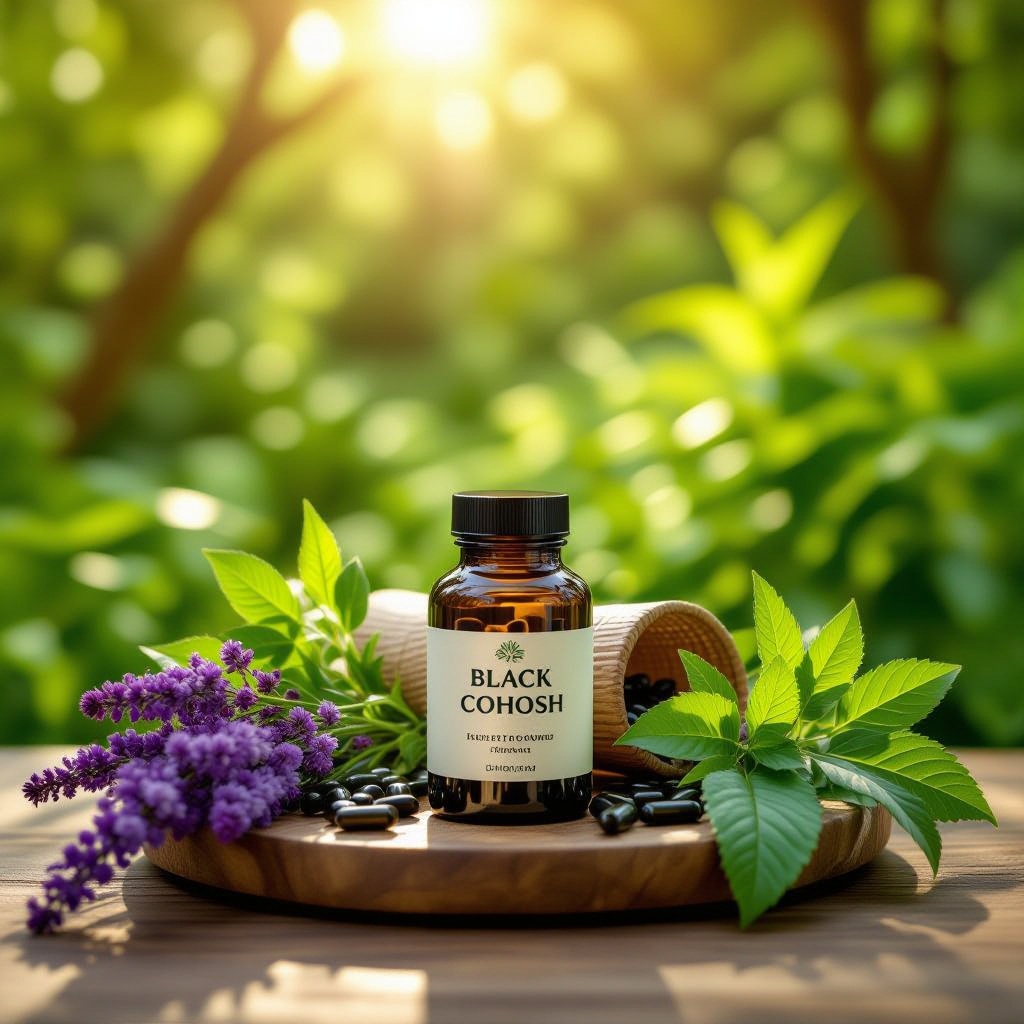
Hot flashes affect over 80% of menopausal women, caused by fluctuations in estrogen levels. One effective remedy is the herb black cohosh, which helps balance estrogen levels and reduce hot flashes.
2. Night Sweats
Similar to hot flashes, night sweats often disturb sleep. Black cohosh and vitex are two herbs that can help manage this symptom.
3. Mood Swings
Hormonal fluctuations during menopause can lead to irritability and anxiety. Omega-3 fatty acids, found in fish oil or fatty fish like salmon, can help stabilize mood.
4. Sleep Disturbances
Insomnia is prevalent among menopausal women, often exacerbated by hormonal changes. Magnesium glycinate or magnesium threonate can help improve sleep quality.
5. Vaginal Dryness and Reduced Libido
Vitamin E suppositories can effectively alleviate vaginal dryness, while incorporating more moisture-boosting foods can help improve libido.
6. Weight Gain
Weight gain during menopause is common, often due to hormonal imbalances. Strength training and regular exercise can mitigate this issue.
7. Bone Density Loss
Lower estrogen levels increase the risk of osteoporosis. Foods rich in calcium and magnesium, alongside weight-bearing exercise, can support bone health.
8. Cardiovascular Issues
To reduce the risk of heart disease, incorporate omega-3-rich foods and antioxidants like pomegranate into your diet.
9. Cognitive Decline
Cognitive function can decline due to hormonal changes. Omega-3 fats, lion's mane mushroom, and ginkgo biloba can support brain health.
10. Joint Pain
Turmeric and ginger have anti-inflammatory properties that can help alleviate joint pain during menopause.
The Power of Diet and Lifestyle
Diet plays a crucial role in managing menopausal symptoms. A Mediterranean diet rich in healthy fats, lean proteins, and plenty of fruits and vegetables can be beneficial. Here are some dietary recommendations:
- Incorporate green leafy vegetables, berries, and fatty fish into your meals.
- Focus on whole foods and avoid processed foods and excess sugar.
- Stay hydrated by drinking plenty of water.
- Consider supplements like omega-3 fatty acids, magnesium, and probiotics.
Additionally, regular physical activity, stress management techniques like meditation, and building social connections are vital for overall well-being during menopause.
The Role of Hormone Replacement Therapy
While hormone replacement therapy (HRT) can alleviate severe menopausal symptoms, it should not be the first line of treatment due to potential risks, including certain cancers. It's essential to explore natural remedies and lifestyle changes before considering HRT.
Conclusion
Menopause can be a challenging transition, but with the right strategies in place, women can thrive during this stage of life. By focusing on a nutrient-dense diet, incorporating beneficial herbs and supplements, and prioritizing self-care, women can navigate menopause with grace and ease.
Thank you for tuning in to the Dr. Josh Axe Show! Subscribe for more insights on health and wellness, and remember that with the right approach, you can embrace this transformative phase of life.