If I Had Insulin Resistance Again, I’d Start Doing This Tomorrow
Thomas DeLauerPublished on June 20, 2026
Summary authored by editor@wellifi.com
TLDR Summary
To improve insulin sensitivity, implement strategies such as time-restricted eating, separate fat and carbohydrate intake, and incorporate exercise on an empty stomach. Additionally, consider using supplements and natural sweeteners while focusing on a balanced diet.
Key Points
- Implement time-restricted eating within a 12-hour window.
- Avoid mixing fats and carbohydrates to reduce metabolic gridlock.
- Exercise on an empty stomach to promote fat utilization.
- Use red light therapy for improved mitochondrial function.
- Allocate carbohydrate intake to evening meals for better sleep.
- Monitor saturated fat intake and maintain a balanced fat profile.
- Incorporate periodic fasting for system reset.
- Increase polyphenol-rich foods like berries in your diet.
- Engage in full-body resistance training several times a week.
- Utilize allulose as a sweetener to mitigate glucose spikes.
- Choose natural sweeteners like honey and maple syrup.
- Take beneficial supplements such as berberine and cinnamon.
- Enjoy more eggs as part of a balanced diet.
13 Simple Strategies to Improve Insulin Sensitivity
In today's fast-paced world, many people are facing health challenges related to insulin resistance. If you woke up tomorrow with an HbA1c reading of 5.9 or 6, what would you do? Here are 13 immediate actions that can help improve insulin sensitivity without extensive preparation.
1. Implement Time-Restricted Eating
Start by eating within a 12-hour window. For example, limit your meals from 7:00 PM to 7:00 AM. Allowing your insulin levels to decrease during fasting periods helps to develop a new insulin homeostasis, promoting better insulin sensitivity.
2. Avoid Mixing Fats and Carbohydrates
Reduce the combination of fats and carbohydrates in your meals. This practice, often referred to as avoiding "metabolic gridlock," can help your body better partition fuel and reduce insulin resistance.
3. Exercise on an Empty Stomach
Engaging in workouts while fasted can promote fat adaptation, allowing your body to utilize fats as a primary fuel source. This reduces the need for insulin and enhances insulin sensitivity.
4. Utilize Red Light Therapy
Consider using a red light therapy device. Research suggests that wavelengths between 660 to 700 nm can improve insulin sensitivity and mitochondrial function, which is crucial for processing carbohydrates and fats.
5. Allocate Carbohydrates for the Evening
Shift your carbohydrate intake to the evening. Consuming carbs at dinner can support better sleep and reduce insulin spikes during the day, helping to improve insulin resistance.
6. Monitor Saturated Fat Intake
Be mindful of saturated fat consumption, especially when eating carbohydrates. A balanced intake of fats—30% saturated, 40% monounsaturated, and the rest from other sources—can help maintain insulin sensitivity.
7. Incorporate Periodic Fasting
Consider incorporating intermittent fasting, such as two 18-hour fasts per week. This can act as a reset for your system and promote fat utilization.
8. Increase Polyphenol-Rich Foods
Include more berries and deep leafy greens in your diet. Foods rich in polyphenols offer anti-inflammatory benefits that can positively impact insulin sensitivity.
9. Engage in Full-Body Resistance Training
Focus on full-body workouts three to four times a week. This type of training helps deplete glycogen stores and improves glucose uptake from the bloodstream.
10. Use Allulose with Carbohydrates
Consider using allulose as a sweetener. It can help mitigate glucose spikes when consumed alongside carbohydrates.
11. Choose Natural Sweeteners
If you have a sweet tooth, opt for honey or maple syrup instead of refined sugars. These natural sweeteners contain antioxidants and polyphenols that can help manage insulin levels.
12. Take Beneficial Supplements
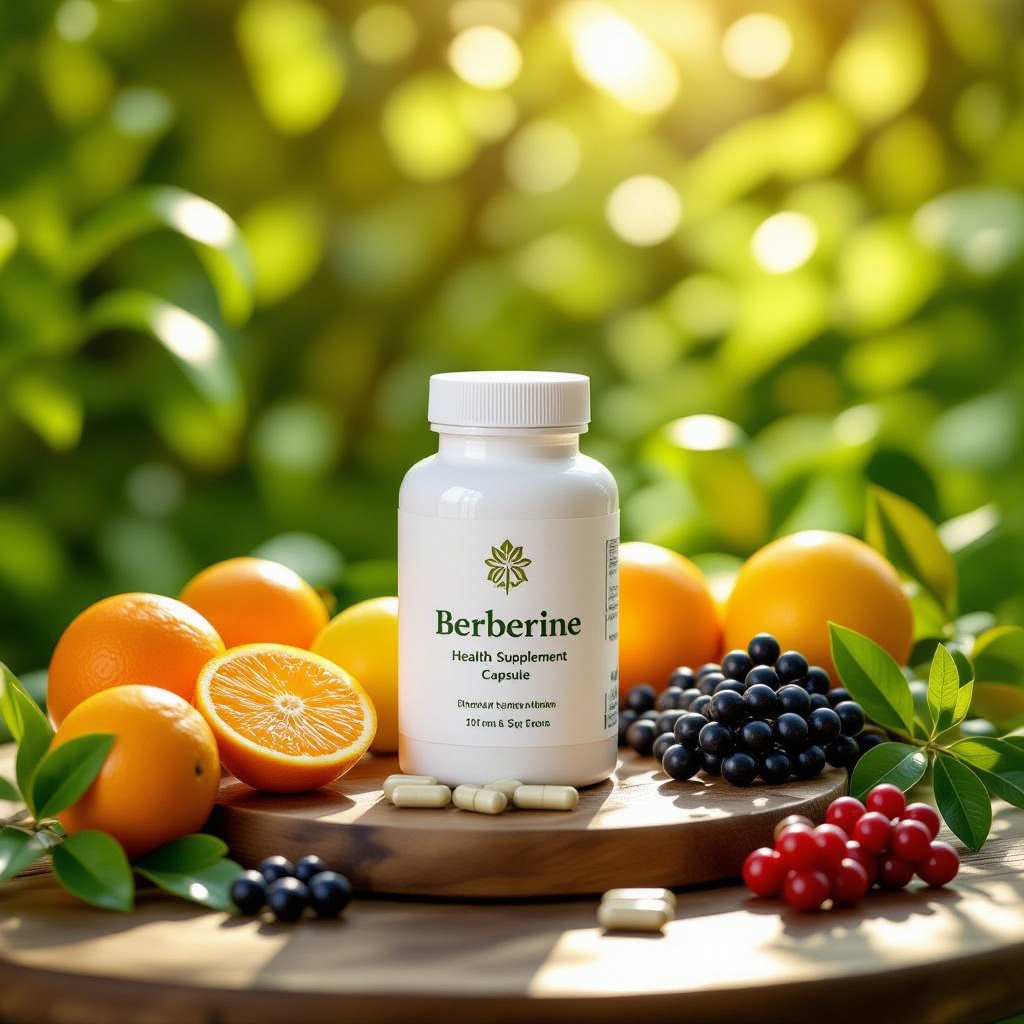
Incorporate supplements such as berberine, trimethylglycine (TMG), and cinnamon. Berberine can help lower glucose levels, while TMG improves fat oxidation. Cinnamon acts as an insulin mimetic to assist glucose uptake.
13. Enjoy More Eggs
Don’t shy away from eggs. They contain monounsaturated fats and are now recognized as a healthy food option. Choose free-range or pasture-raised eggs for the best quality.
Conclusion
Improving insulin sensitivity can be achieved through simple lifestyle adjustments. By implementing these 13 strategies, you can effectively combat insulin resistance and promote better metabolic health.