If I had Insulin Resistance AGAIN, This is What I’d do Smarter to Stop it
Thomas DeLauerPublished on November 23, 2025
Summary authored by editor@wellifi.com
TLDR Summary
Reversing insulin resistance is achievable in 30 days through strategic dietary changes, meal timing, high-intensity exercise, and targeted supplementation. Focus on reducing carbohydrate intake and eating earlier to align with your body's metabolic rhythms.
Key Points
- Insulin resistance can be reversed with the right tools and strategies.
- Lowering carbohydrate intake improves insulin sensitivity.
- Eating earlier in the day aligns with your body's natural metabolic rhythm.
- High-intensity exercise enhances glucose uptake in muscle cells.
- Specific supplements like cinnamon and Mottz C can support metabolic health.
Reversing Insulin Resistance: A 30-Day Tactical Plan
Many people struggle with insulin resistance, often without the right tools or knowledge to combat it effectively. In this post, we will explore the science-backed strategies that can help you reverse insulin resistance in just 30 days. Whether you feel groggy after meals, experience unexplained hormonal changes, or struggle with weight gain, this guide will empower you to take control of your metabolic health.
Understanding Insulin Resistance
Insulin resistance occurs when your cells become less responsive to insulin, leading to elevated blood sugar levels. This condition can manifest as fatigue, weight gain, and difficulty sleeping. The good news is that reversing insulin resistance is possible through targeted dietary and lifestyle changes.
The Carb Threshold
The first step in combating insulin resistance is to alter your carbohydrate intake. Studies have shown a direct, quantifiable relationship between carbohydrate consumption and insulin resistance. For instance, a 2021 study published in the American Journal of Clinical Nutrition demonstrated that individuals consuming a lower carbohydrate diet experienced improved insulin sensitivity. Specifically, those on a 20% carbohydrate diet had the lowest insulin resistance scores, in stark contrast to those on a 60% carbohydrate diet.
Low-Carb Diets and Pre-Diabetes
If you find yourself beyond the initial stage of insulin resistance and into pre-diabetes, a low-carb diet becomes even more critical. A 2022 study published in JAMA revealed that participants on a low-carb diet (targeting less than 40 grams of net carbs) had significant reductions in HBA1C and fasting glucose levels, as well as weight loss, compared to those on a standard diet.
Cell Membrane Flexibility and Fat Quality
Another crucial aspect of reversing insulin resistance is ensuring cell membrane flexibility. Poor-quality oils, such as soybean and canola oil, can lead to oxidative stress and dysfunctional mitochondria. Instead, focus on high-quality saturated fats, which can improve insulin sensitivity.
Timing Your Meals
When you eat is just as important as what you eat. Shortening your daily eating window can significantly improve insulin sensitivity. A landmark study demonstrated that early time-restricted feeding led to improved insulin sensitivity and pancreatic function. Aim to eat your meals earlier in the day to align with your body’s natural metabolic rhythm.
Exercise: High Intensity vs. Low Intensity
Exercise plays a vital role in reversing insulin resistance. While long-duration, low-intensity workouts have their benefits, high-intensity interval training (HIIT) is particularly effective. HIIT has been shown to increase the expression of GLUT4, a key glucose transporter in muscle cells, allowing for better glucose uptake without the need for insulin.
Supplementation for Enhanced Metabolic Health
To further support your journey, consider incorporating specific supplements and compounds:
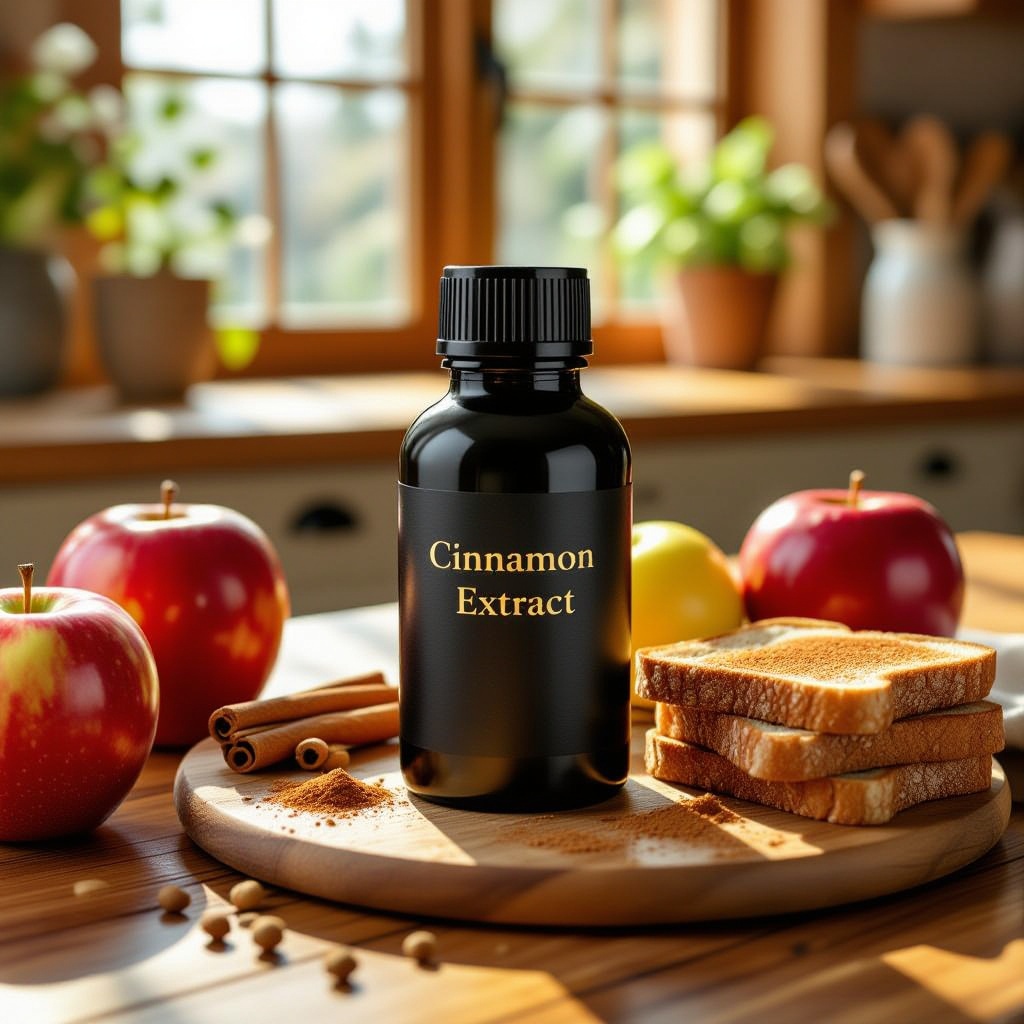
- Cinnamon: Research shows that cinnamon can reduce fasting glucose and improve insulin sensitivity.
- Mottz C: A mitochondrial peptide that enhances metabolic function at the cellular level.
- TMG (Trimethylglycine): Helps reduce oxidative stress and glycation.
- Carnosine: Aids in preventing glycation, which can hinder glucose utilization.
Fats Matter: Quality Over Quantity
Eliminate low-quality oils and trans fats from your diet. Instead, incorporate healthy fats such as olive oil, avocado oil, and high-quality saturated fats from sources like goat cheese. Remember, the type of fat you consume can significantly affect your insulin sensitivity.
Conclusion
Reversing insulin resistance is not just about managing a condition; it’s about taking decisive action to reclaim your health. By adjusting your carbohydrate intake, timing your meals, engaging in high-intensity exercise, and utilizing targeted supplements, you can significantly improve your metabolic health. Start implementing these strategies today to experience the benefits of better energy, weight loss, and enhanced overall well-being.
For more detailed guidance on using cinnamon in your diet, check out the linked video. If you found this information useful, please subscribe for more health insights.