I'm 13 Years Insulin Resistance Free, Here's the Shocking Things I've Learned
Thomas DeLauerPublished on October 18, 2025
Summary authored by editor@wellifi.com
TLDR Summary
Insulin resistance stems largely from inflammation and can be managed through dietary changes, exercise, and nutrient supplementation. Key strategies include separating carbohydrate and fat intake, prioritizing protein-rich meals, and improving gut health.
Key Points
- Insulin resistance is primarily driven by inflammation.
- Carnosine can help reduce oxidative stress associated with insulin resistance.
- Calcium and magnesium are crucial for maintaining insulin sensitivity.
- Muscle health and resistance training are key components of managing insulin resistance.
- Separating carbohydrate and fat intake can mitigate metabolic issues.
- The gut microbiome significantly impacts glucose metabolism.
- Sleep quality and dietary timing play vital roles in insulin management.
Understanding Insulin Resistance: Key Insights from 13 Years of Experience
Insulin resistance is a condition that affects many individuals, often leading to a myriad of health issues. After 13 years of navigating my own journey with insulin resistance, I’ve learned invaluable lessons about its root causes and how to manage it effectively. In this article, I’ll share the pivotal insights I’ve gained over the years, focusing on inflammation, dietary choices, and lifestyle changes that can help improve insulin sensitivity.
The Root of Insulin Resistance: Inflammation
One of the most significant revelations I encountered is that inflammation lies at the core of insulin resistance. Initially, I believed that carbohydrate intake was the sole culprit; however, I learned that excessive inflammation impairs the body’s ability to respond to insulin, making carbohydrate metabolism more challenging. By controlling inflammation, many individuals find they can reintroduce carbohydrates into their diets without adverse effects.
Key Nutrients and Their Role in Insulin Sensitivity
Carnosine
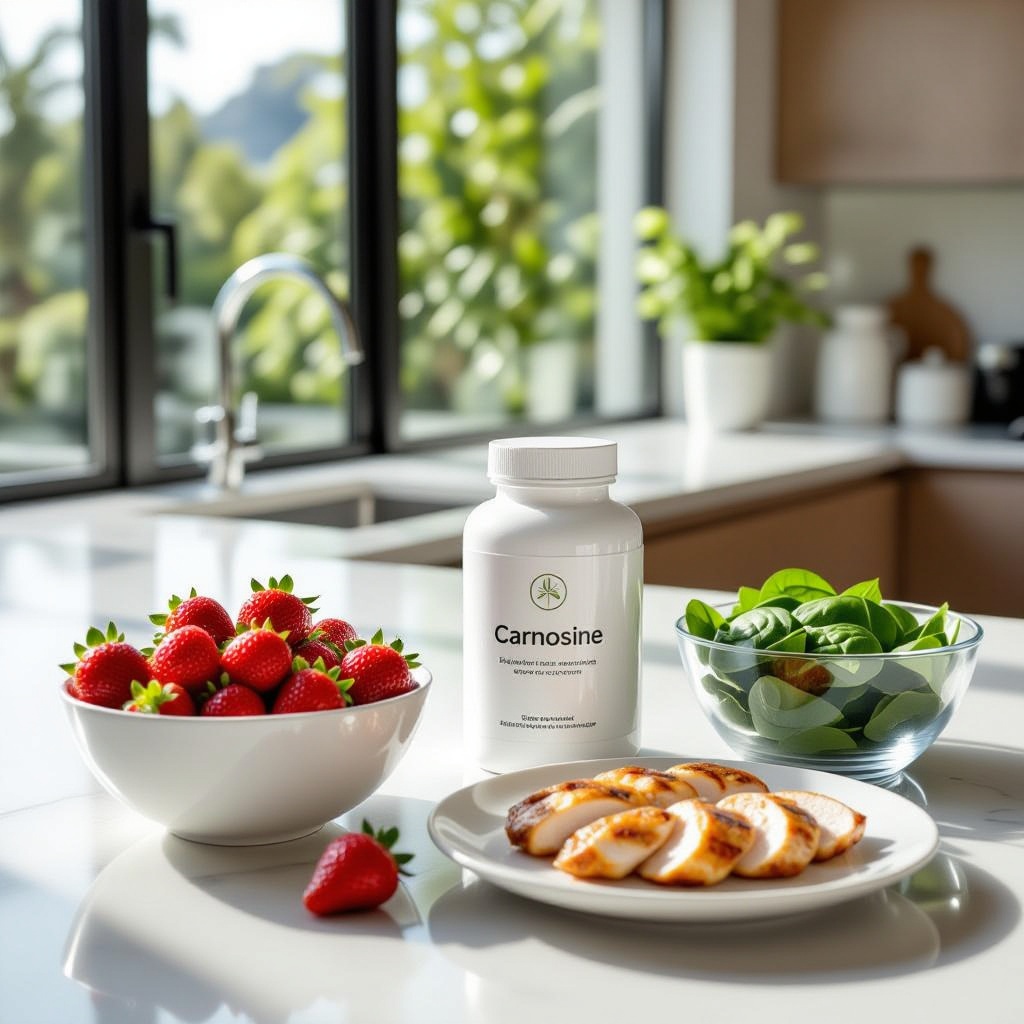
One nutrient that emerged as particularly beneficial is carnosine. This compound helps block advanced glycation end products (AGEs), which are known to elevate oxidative stress and inflammation—two major contributors to insulin resistance. A daily intake of 4 to 6 grams of carnosine has proven to be transformative for many, including myself.
Calcium and Micronutrients
Calcium deficiency can exacerbate insulin resistance, as this mineral plays a vital role in insulin sensitivity. Including healthy sources of dairy, such as aged cheeses and heavy cream, has not only improved my insulin sensitivity but also helped regulate appetite thanks to conjugated linoleic acid (CLA) present in these foods.
Magnesium
Magnesium is another crucial player, impacting insulin receptor function. A deficiency in magnesium can lead to decreased insulin sensitivity, making it essential for those managing insulin resistance to ensure adequate intake.
The Importance of Exercise and Muscle Health
Insulin resistance is not merely a function of the pancreas; it also begins in the muscles. Resistance training enhances muscle signaling, which in turn improves insulin sensitivity. Rather than solely focusing on cardio for weight loss, it's vital to incorporate strength training to support muscle health and metabolic function.
Dietary Strategies for Managing Insulin Resistance
Timing and Composition of Meals
The concept of the second meal effect suggests that what you consume for breakfast can impact how your body processes lunch and dinner. Prioritizing protein and low glycemic carbohydrates in the morning can significantly enhance glucose management throughout the day.
Separating Carbs and Fats
Combining high amounts of carbohydrates with fats can lead to metabolic issues, creating what I refer to as “mitochondrial traffic jams.” To mitigate this effect, it’s helpful to separate the intake of fats and carbohydrates within meals.
Leveraging Gut Health and the Microbiome
The gut microbiome plays a critical role in insulin sensitivity. Short-chain fatty acids produced by gut bacteria are essential for glucose metabolism. Incorporating probiotics, such as the daily symbiotic Seed, can enhance gut health and positively influence insulin dynamics.
Additional Strategies for Improving Insulin Sensitivity
- Intermittent Fasting: Implementing time-restricted feeding can rapidly improve insulin sensitivity.
- Sleep Hygiene: Enhancing sleep quality can dramatically influence insulin resistance, with sleep deprivation worsening the condition.
- Red Light Therapy: This therapy supports mitochondrial function and improves glucose utilization.
- Methylene Blue: Acting as an electron carrier in the mitochondria, methylene blue can help improve metabolic dysfunction.
Conclusion
My journey with insulin resistance has taught me that it’s a multifaceted condition influenced by inflammation, nutrient deficiencies, exercise, and gut health. By understanding these factors and implementing targeted strategies, significant improvements in insulin sensitivity are achievable. While managing insulin resistance can be challenging, the right approach can lead to better health outcomes and a more balanced life.
Key Takeaways
- Insulin resistance is primarily driven by inflammation.
- Carnosine can help reduce oxidative stress associated with insulin resistance.
- Calcium and magnesium are crucial for maintaining insulin sensitivity.
- Muscle health and resistance training are key components of managing insulin resistance.
- Separating carbohydrate and fat intake can mitigate metabolic issues.
- The gut microbiome significantly impacts glucose metabolism.
- Sleep quality and dietary timing play vital roles in insulin management.