Not All NAD+ Supplements Are Created Equal - This Is How You Can Find The Best One!
Dr. Steven GundryPublished on June 19, 2026
Summary authored by editor@wellifi.com
TLDR Summary
NAD is essential for energy production and declines with age, leading to fatigue and cognitive decline. Supporting NAD levels through lifestyle changes and quality supplements can enhance health and longevity.
Key Points
- NAD is crucial for energy production in cells and activates longevity genes.
- NAD levels decline with age, contributing to symptoms like fatigue and brain fog.
- Supporting NAD levels can be achieved through lifestyle changes, such as fasting and strength training.
- Quality NAD supplements should include both NR and NMN and protect against stomach acid.
Understanding NAD: The Key to Energy and Longevity
NAD (Nicotinamide Adenine Dinucleotide) has become a hot topic in the health and wellness community, with discussions spanning supplements, podcasts, and longevity clinics. While trends can often evoke skepticism, the significance of NAD is undeniable. This compound plays a crucial role in cellular functions and energy production, making it a vital aspect of our health as we age.
What is NAD?
NAD is involved in hundreds of biochemical reactions and is essential for the energy production within our cells, particularly in the mitochondria. Without NAD, our bodies struggle to produce ATP (adenosine triphosphate), which is the primary energy carrier in cells. Furthermore, NAD activates sirtuins—proteins that contribute to longevity and protect against aging and inflammation.
The Decline of NAD with Age
As we age, our NAD levels steadily decline, which can lead to slowed DNA repair, increased inflammation, reduced energy production, and cognitive decline often referred to as brain fog. These symptoms are frequently dismissed as natural signs of aging, but they may be linked to decreasing NAD levels.
The French Paradox and NAD
The concept of the French paradox, which suggests that the French consume a high-fat diet yet have lower rates of heart disease, has been partially attributed to resveratrol—a polyphenol found in red wine that supports NAD levels. However, one would need to consume an impractical amount of red wine to achieve significant resveratrol intake. Thus, while the French paradox may not be entirely accurate, the importance of maintaining NAD levels warrants attention.
How to Support NAD Levels
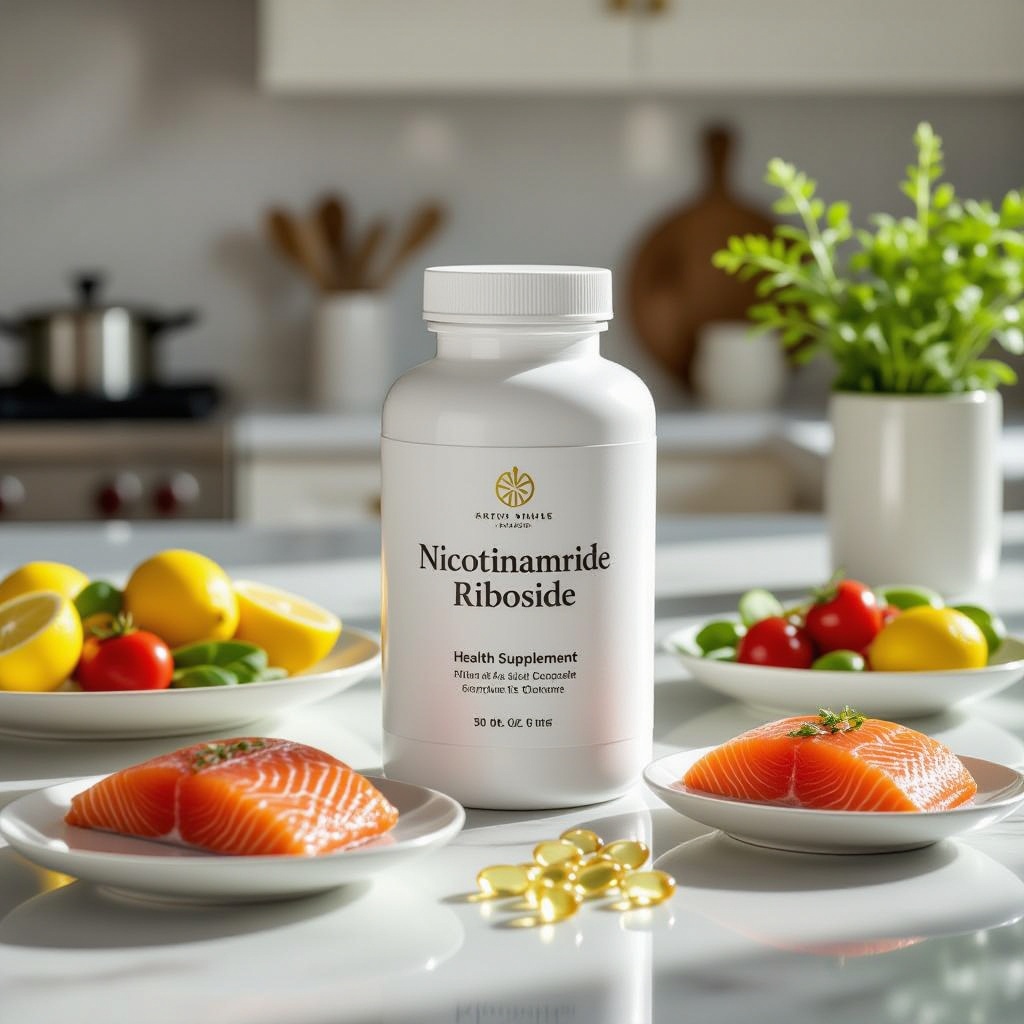
Research indicates that certain lifestyle choices can help boost NAD levels. Practices such as fasting and exercise, particularly strength training, have been shown to elevate NAD naturally. Moreover, NAD precursors like Nicotinamide Riboside (NR) and Nicotinamide Mononucleotide (NMN) can be effective supplements, although caution is advised due to variability in product quality.
Choosing Quality NAD Supplements
- Look for proof of effectiveness in increasing NAD through both in vitro and in vivo studies.
- Expect improvements in exercise performance, energy, cognitive function, and an extended health span.
- Seek supplements that include both NMN and NR to maximize effectiveness.
- Ensure the product has a delivery system that protects NMN from stomach acid, allowing it to convert effectively to NAD.
- Consider ingredients that inhibit CD38, an enzyme that depletes NAD levels, such as Cetin.
- Avoid proprietary blends that obscure ingredient dosages and ensure transparency.
Conclusion
Supporting NAD levels is no longer just an option but a proactive step in maintaining health and energy as we age. As the science surrounding NAD continues to evolve, it is essential to be informed and cautious when selecting supplements. By understanding the role of NAD and how to effectively support it, we can enhance our overall well-being and longevity.