Over 65? Doing THIS Cuts Osteoarthritis Risk in HALF (supplement, exercise, & diet protocols)
FoundMyFitnessPublished on January 21, 2026
Summary authored by editor@wellifi.com
TLDR Summary
Osteoarthritis can be prevented and managed through lifestyle factors such as maintaining a healthy body weight, engaging in regular exercise, and following an anti-inflammatory diet. Supplements like Vitamin K, Omega-3s, and Glucosamine may also support joint health.
Key Points
- Maintaining a healthy body weight can reduce the risk of osteoarthritis significantly.
- Regular exercise is crucial for joint health, promoting nutrient diffusion and waste removal.
- A Mediterranean-style diet correlates with lower risks of osteoarthritis progression.
- Vitamin K and Omega-3 fatty acids are beneficial supplements for joint health.
- Glucosamine and Chondroitin may reduce inflammation and pain in osteoarthritis patients.
Understanding Osteoarthritis: Prevention and Management Strategies
As we age, joint issues, particularly osteoarthritis, become increasingly prevalent. In this blog post, we'll explore the evidence surrounding osteoarthritis, its prevention, and effective management strategies to maintain joint health.
The Importance of Body Weight
One of the most critical factors affecting joint health is body weight. Every extra kilogram of body weight translates into approximately four kilograms of additional force on the knee joints while walking. This means that even a small weight gain can significantly increase the pressure on cartilage, leading to its degradation over time.
A landmark study from the Framingham cohort found that losing just 5 kg of body weight can reduce the risk of developing knee osteoarthritis in women with a BMI of 25 or greater by more than 50%. Additionally, those in the highest quintile of body weight face up to ten times the risk of knee osteoarthritis compared to those in the lowest quintile. For individuals already diagnosed with osteoarthritis, losing around 10% of body weight can lead to remarkable improvements in pain and functionality.
Exercise: A Key Component for Joint Health
Regular exercise is essential for maintaining joint health, as cartilage relies on mechanical stimulation to thrive. Movement facilitates the diffusion of nutrients into joint tissues and the removal of waste products, much like a sponge absorbing and releasing water. A 2025 meta-analysis indicated that aerobic exercise yields the most significant improvements in pain and function for individuals with knee osteoarthritis.
Strength training also plays a vital role. Strong muscles surrounding the joint act as shock absorbers, reducing the force transmitted through the cartilage with each step. Furthermore, flexibility exercises such as yoga and Pilates can enhance gait performance and reduce the risk of falls, which can exacerbate osteoarthritis.
The Role of Diet
Diet is another crucial factor in managing osteoarthritis. Studies show that a Mediterranean-style diet, rich in polyphenols, omega-3 fatty acids, and antioxidants, correlates with lower risks of osteoarthritis and its progression. This diet helps reduce inflammation, a key contributor to cartilage degradation.
Conversely, diets high in processed foods, refined sugars, and saturated fats can increase oxidative stress and inflammation, further harming joint health. Additionally, a high-fiber diet promotes the production of beneficial short-chain fatty acids, such as butyrate, which have anti-inflammatory effects on joints.
Supplements for Joint Health
Several supplements can support joint health, including:
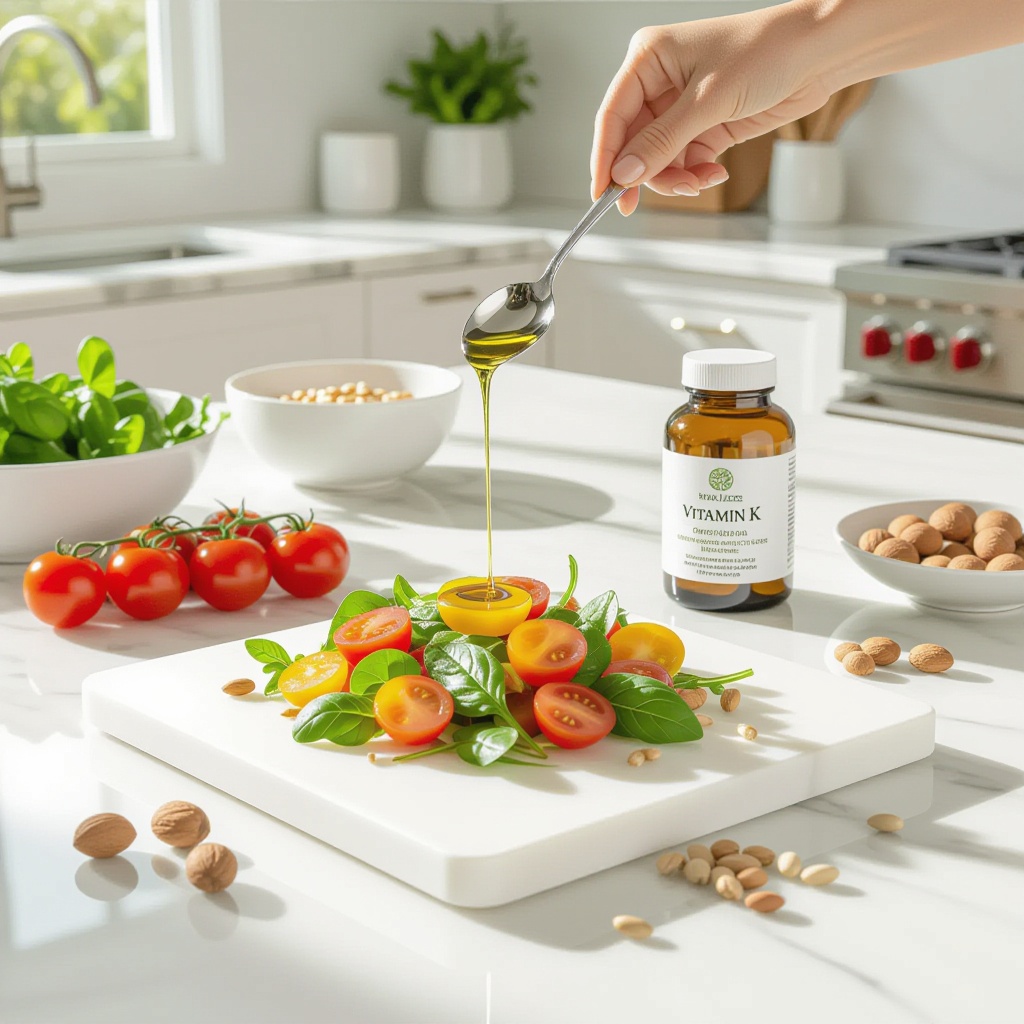
- Vitamin K: Essential for activating matrix gla-protein, which prevents calcification of cartilage.
- Omega-3 Fatty Acids: Shown to produce small improvements in pain and function for those with osteoarthritis.
- Glucosamine and Chondroitin: These supplements serve as building blocks for cartilage and joint fluid, potentially reducing inflammation and pain.
- Curcumin: Exhibits anti-inflammatory effects comparable to NSAIDs, making it a beneficial addition for osteoarthritis.
- Boswellia Serrata: Also known as Indian frankincense, this supplement can reduce pain and improve joint function.
Conclusion
Preventing and managing osteoarthritis involves a multifaceted approach focusing on maintaining a healthy body weight, engaging in regular physical activity, following an anti-inflammatory diet, and considering beneficial supplements. By prioritizing these lifestyle factors, individuals can significantly improve their joint health and quality of life.