PCOS Has a New Name: What PMOS Really Means
Dr. Jolene BrightenPublished on May 14, 2026
Summary authored by editor@wellifi.com
TLDR Summary
The recent renaming of Polycystic Ovary Syndrome (PCOS) to Polyendocrine Metabolic Ovarian Syndrome (PMOS) reflects a deeper understanding of the condition, emphasizing the importance of metabolic health. Women with PMOS often face significant challenges in diagnosis and treatment, but natural supplements can play a crucial role in managing symptoms effectively.
Key Points
- PCOS is now referred to as PMOS, reflecting a broader understanding of the condition.
- The name change emphasizes metabolic health alongside reproductive health.
- Women often face challenges in diagnosis and treatment related to outdated perceptions of PCOS.
- Natural supplements like Inositol, Spearmint, Green Tea Extract, and Saw Palmetto can help manage PMOS symptoms.
Understanding the Shift from PCOS to PMOS: What Women Need to Know
Polycystic Ovary Syndrome (PCOS) has long been a challenging diagnosis for many women, often leading to feelings of frustration and misunderstanding within the healthcare system. Recently, however, there has been a significant shift in the terminology surrounding this condition, with the introduction of a new name: Polyendocrine Metabolic Ovarian Syndrome (PMOS). In this article, we will explore what this name change signifies, the implications it has for women's health, and how to address the symptoms associated with this condition effectively.
The Importance of Renaming PCOS
The renaming of PCOS to PMOS is more than just a change in terminology; it reflects a broader understanding of the condition. For decades, the focus on "polycystic ovaries" has overshadowed the metabolic and hormonal complexities that women with this condition face. The name PMOS acknowledges that this syndrome involves multiple hormone systems and emphasizes the importance of metabolic health, ovulation, skin and hair health, fertility, and long-term well-being.
Challenges Faced by Women with PCOS/PMOS
Despite the name change, many women continue to experience challenges when seeking diagnosis and treatment. The outdated notion that PCOS is solely related to ovarian cysts has led to misdiagnosis and inadequate care. Women often face long wait times for diagnosis and struggle with symptoms such as:
- Irregular menstrual cycles
- Acne and oily skin
- Hair loss and excessive hair growth (hirsutism)
- Fertility issues
- Mood disturbances
Moreover, healthcare providers may erroneously focus solely on a woman's weight, further complicating the diagnosis and treatment process.
What PMOS Means for Women
The name PMOS aims to shift the focus from solely the ovaries to the whole body experience of the condition. It is crucial for healthcare providers to recognize that:
- Women with PMOS may continue to experience metabolic issues even after menopause, increasing the risk for conditions like diabetes and cardiovascular disease.
- The diagnosis should not be based solely on the presence of ovarian cysts, and lean women can also experience PMOS symptoms.
- Comprehensive care should include evaluating insulin levels and metabolic health, not just reproductive health.
Natural Approaches and Supplements for Managing PMOS
In addition to lifestyle changes, several supplements can help manage PMOS symptoms effectively. Here are some key options:
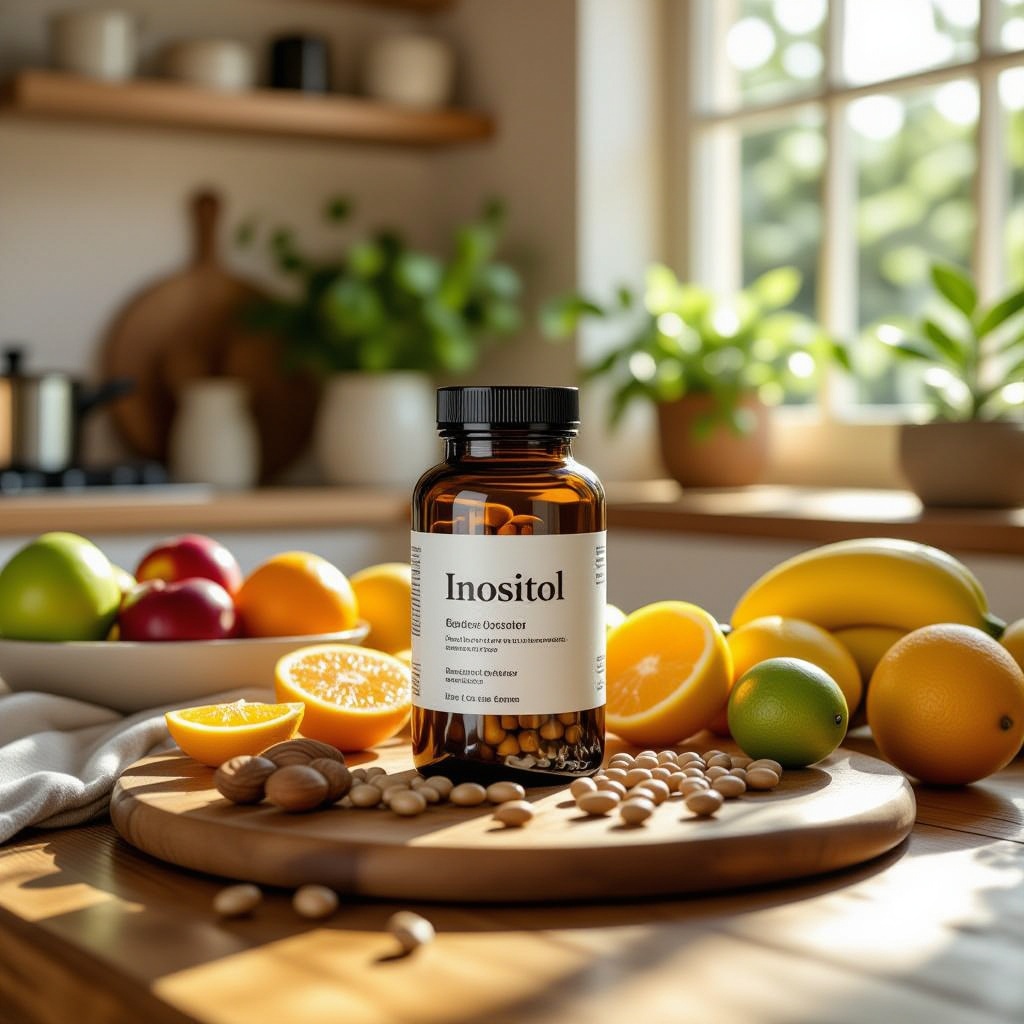
- Myo-Inositol: This supplement supports blood sugar regulation and ovulation. A common dosage is 2g once or twice daily, ideally paired with D-chiro-inositol in a 40:1 ratio.
- Spearmint: Known for its ability to reduce androgen levels, spearmint tea or capsules can be beneficial for women experiencing hirsutism. Ideally, consume three to four cups daily.
- Green Tea Extract: This concentrated form provides metabolic health benefits without the need to drink excessive amounts of tea.
- Saw Palmetto: This supplement may help reduce DHT levels, which can lead to hair loss. It is important to monitor its use as it may take several months to see effects.
Final Thoughts
The transition from PCOS to PMOS is an essential step toward recognizing the multifaceted nature of this condition. While the name change is significant, it must be accompanied by a call for improved healthcare practices that consider all aspects of women's health. It is essential for women to advocate for themselves and seek comprehensive care that addresses not only reproductive health but also metabolic, mental, and emotional well-being. By doing so, we can create a healthcare environment that truly supports women with PMOS.