Peptides Explained: Best Peptides and Reasons to Reconsider
CarnivoreMDPublished on April 11, 2026
Summary authored by editor@wellifi.com
TLDR Summary
Dr. Paul Saladino discusses the rising popularity of peptides, particularly GLP-1 drugs like Ozempic and Mounjaro, and emphasizes their potential risks and the importance of dietary changes for sustainable health. He categorizes various peptides, highlighting their uses and concerns, while advocating for unprocessed food diets as the true path to health.
Key Points
- Peptides are small chains of amino acids crucial for physiological processes.
- GLP-1 agonists can aid weight loss but may lead to muscle mass loss and hormonal imbalances.
- Recovery peptides lack extensive human research and may promote cancer risks.
- Growth hormone secretagogues provide temporary benefits without long-term sustainability.
- Using peptides should come with caution due to their potential side effects and lack of regulation.
The Truth About Peptides: Are They Worth It?
In recent years, peptides have taken the health and wellness community by storm, largely driven by discussions regarding GLP-1 drugs such as Ozempic and Mounjaro. Yet, amidst this surge in popularity, questions about their safety, effectiveness, and long-term consequences frequently arise. Dr. Paul Saladino, a licensed medical doctor, dives deep into the world of peptides, shedding light on their various classifications and potential impacts on health.
What Are Peptides?
Peptides are small chains of amino acids, which are building blocks of proteins. Typically consisting of fewer than 50 amino acids, peptides play vital roles in various physiological processes. Your body naturally produces many peptides, including insulin and GLP-1, the latter being crucial for regulating appetite and satiety.
The Popularity of GLP-1 Drugs
Ozempic, Mounjaro, and Retatrutide are among the most discussed peptides today, primarily because of their weight loss effects. However, Dr. Saladino warns of the potential dangers associated with these drugs, including:
- High probability of incorrect dosages or contaminated ingredients from online suppliers.
- Potential for 'Ozempic butt,' a condition resulting from significant muscle loss due to starvation-like states induced by these medications.
- Long-term dependency on these drugs without addressing the root cause of obesity or unhealthy eating habits.
Classes of Peptides and Their Uses
Dr. Saladino categorizes peptides into several groups, highlighting their uses and concerns:
1. GLP-1 Agonists
These peptides mimic the effects of naturally occurring GLP-1 in the body, enhancing feelings of fullness and aiding weight loss. However, over-reliance on these medications can lead to muscle mass loss and hormonal imbalances.
2. Recovery Peptides
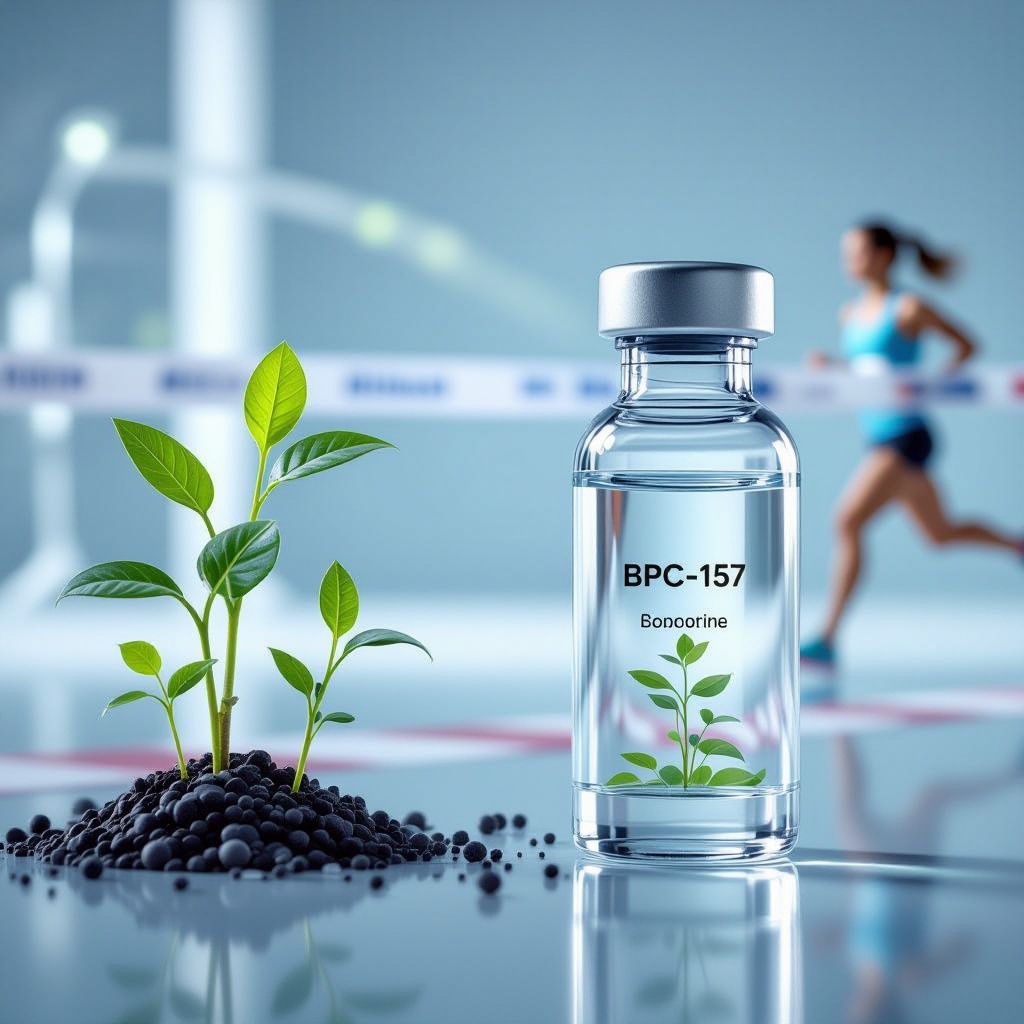
Peptides like BPC 157 and TB 500 are touted for their recovery benefits. Yet, both lack substantial human research and may carry risks, including potential promotion of cancer through increased angiogenesis.
3. Growth Hormone Secretagogues
Peptides like Ipamorelin and CJC 1295 work to mimic the natural release of growth hormone. While they might offer short-term benefits for muscle gain and energy, results often fade quickly after discontinuation.
4. Melanotan
This peptide aims to induce tanning without sun exposure, but its use raises significant health concerns, including the potential increase in melanoma risk.
Key Takeaways
- Peptides are small chains of amino acids crucial for physiological processes.
- GLP-1 agonists can aid weight loss but may lead to muscle mass loss and hormonal imbalances.
- Recovery peptides lack extensive human research and may promote cancer risks.
- Growth hormone secretagogues provide temporary benefits without long-term sustainability.
- Using peptides should come with caution due to their potential side effects and lack of regulation.
Conclusion: A Call for Dietary Changes
Dr. Saladino emphasizes that while peptides can assist in specific situations, they are not a substitute for a healthy diet or lifestyle. The long-term solution for weight management and overall health lies in consuming single-ingredient, unprocessed foods and developing sustainable habits. For those considering peptides, it’s crucial to weigh the benefits against the potential risks and to understand that there are no shortcuts to achieving optimal health.
For more resources on dietary choices, visit paulsaladinomd.com.