Period Pain Relief for Endometriosis, Adenomyosis, and Hormonal Imbalances | Dr. Jolene Brighten
Dr. Jolene BrightenPublished on June 19, 2025
Summary authored by editor@wellifi.com
TLDR Summary
Period pain is common, but severe pain that disrupts daily life is not normal and should not be ignored. Women are encouraged to advocate for themselves, understand the underlying causes, and seek appropriate care beyond conventional options like birth control and hysterectomy.
Key Points
- Up to 90% of teens and 80% of adults experience period pain.
- Period pain that disrupts daily life is not normal and should not be ignored.
- Three main causes of severe period pain: prostaglandins, structural issues, and hormonal imbalances.
- Medical gaslighting is a pervasive issue, with 93% of women feeling dismissed by healthcare providers.
- Women should track their symptoms and advocate for comprehensive testing and care.
Understanding Period Pain: What You Need to Know
Up to 90% of teens and 80% of adults experience period pain. Yet, many are told that this is completely normal. However, while period pain is indeed common, debilitating pain that wrecks your life is never normal. Research shows that up to 20% of women experience pain severe enough to interfere with their daily lives. This can lead to missing work, school, and social functions, and sometimes even vomiting due to the intensity of the pain. Unfortunately, many women are ignored or gaslit by healthcare professionals, often left with only two options: birth control or hysterectomy. This narrative needs to change.
Dr. Jolene Brighten: Your Integrative Hormone Doctor
In this episode of the Dr. Brighten Show, Dr. Jolene Brighten, a board-certified naturopathic endocrinologist, discusses the underlying causes of period pain, how to identify them, and what can be done beyond conventional treatments. She emphasizes the importance of advocating for better care with your doctor.
Why Are Women Gaslit about Period Pain?
Many women report menstrual pain, with a staggering 80.9% experiencing it, and that number jumps to 90% among teens. This has led to a widespread narrative that such pain is simply part of being a woman. Dr. Brighten shares her personal journey, stating that she was put on the pill at 14 due to debilitating pain caused by conditions like endometriosis and adenomyosis. Unfortunately, many women go undiagnosed for years, facing significant challenges in their daily lives.
The Three Primary Buckets of Period Pain
Dr. Brighten identifies three main categories that may contribute to severe period pain:
- Prostaglandins: These hormone-like chemicals cause the uterus to contract. While necessary for shedding the menstrual lining, high levels can lead to severe cramps and inflammation.
- Structural Issues: Conditions like endometriosis, adenomyosis, and fibroids can cause significant pain.
- Hormonal Imbalances: Issues with estrogen and progesterone can lead to painful periods. Hormonal imbalances can stem from various factors, including metabolic issues.
Understanding the Root Cause of Period Pain
Identifying the root cause of period pain is crucial. Dr. Brighten encourages women to track their symptoms and advocate for comprehensive testing, including lab work and imaging. She highlights the importance of understanding individual experiences and working with doctors who will take those experiences seriously.
Medical Gaslighting in Women's Health
Dr. Brighten addresses the phenomenon of medical gaslighting, where women’s symptoms are often dismissed. A staggering 93% of women feel dismissed when seeking medical help. This can lead to misdiagnosis and chronic pain, affecting mental health and overall well-being.
How to Advocate for Yourself
Women are encouraged to document their symptoms meticulously and communicate clearly with their healthcare providers. Some suggestions include:
- Track when the pain occurs, its intensity, and how it affects daily life.
- Request specific tests to rule out conditions like endometriosis or hormonal imbalances.
- If met with resistance, ask for documentation of your requests and consider seeking a second opinion.
What You Can Do Right Now
Dr. Brighten provides several actionable steps to help manage period pain, including:
- Incorporating anti-inflammatory foods into your diet.
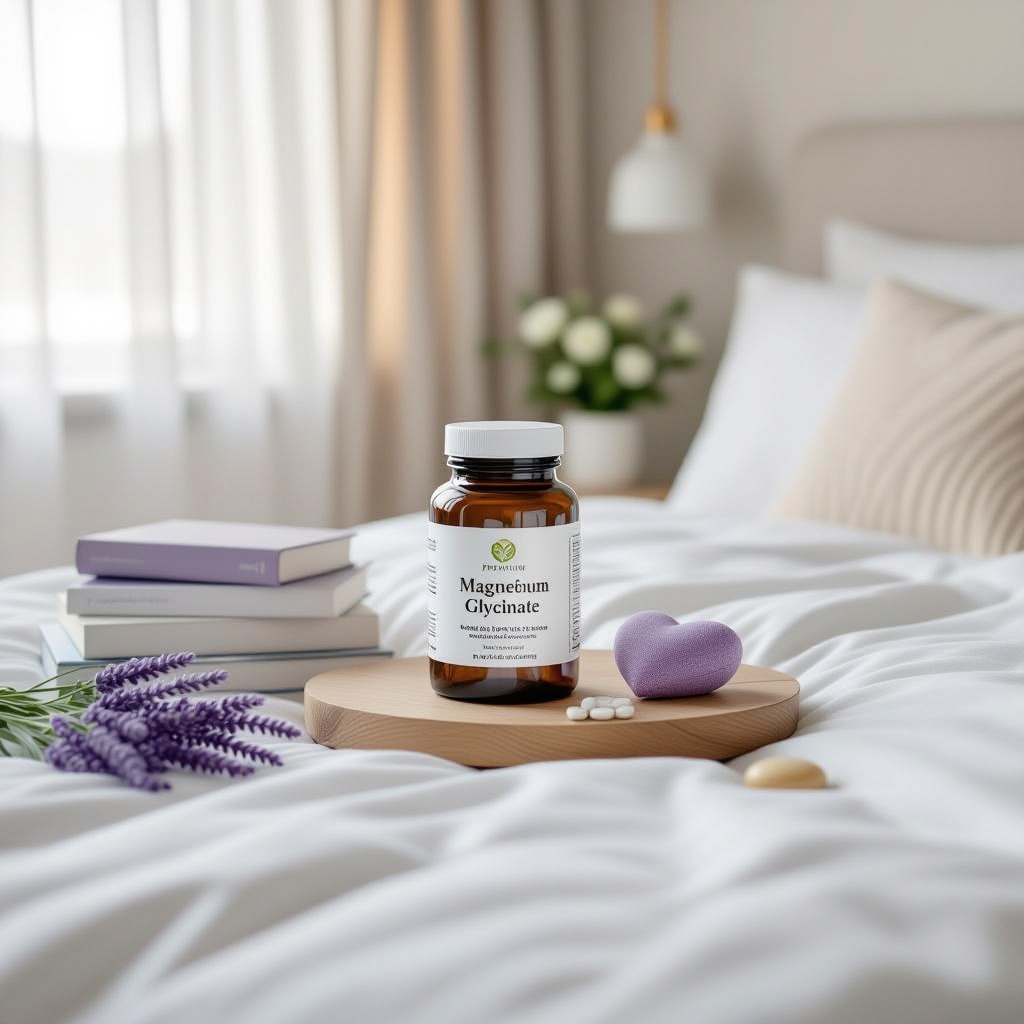
- Taking supplements such as magnesium and omega-3 fatty acids.
- Practicing stress-reduction techniques.
- Considering pelvic floor physical therapy and acupuncture.
Conclusion
Extreme period pain is not something women should have to endure. Understanding the underlying causes and advocating for proper care is essential for health and well-being. Women deserve to live without debilitating pain, and with the right support, they can find relief and reclaim their lives.
If you found this information helpful, please share it with others who may be struggling with similar issues. Together, we can break the silence around period pain and push for better healthcare solutions.