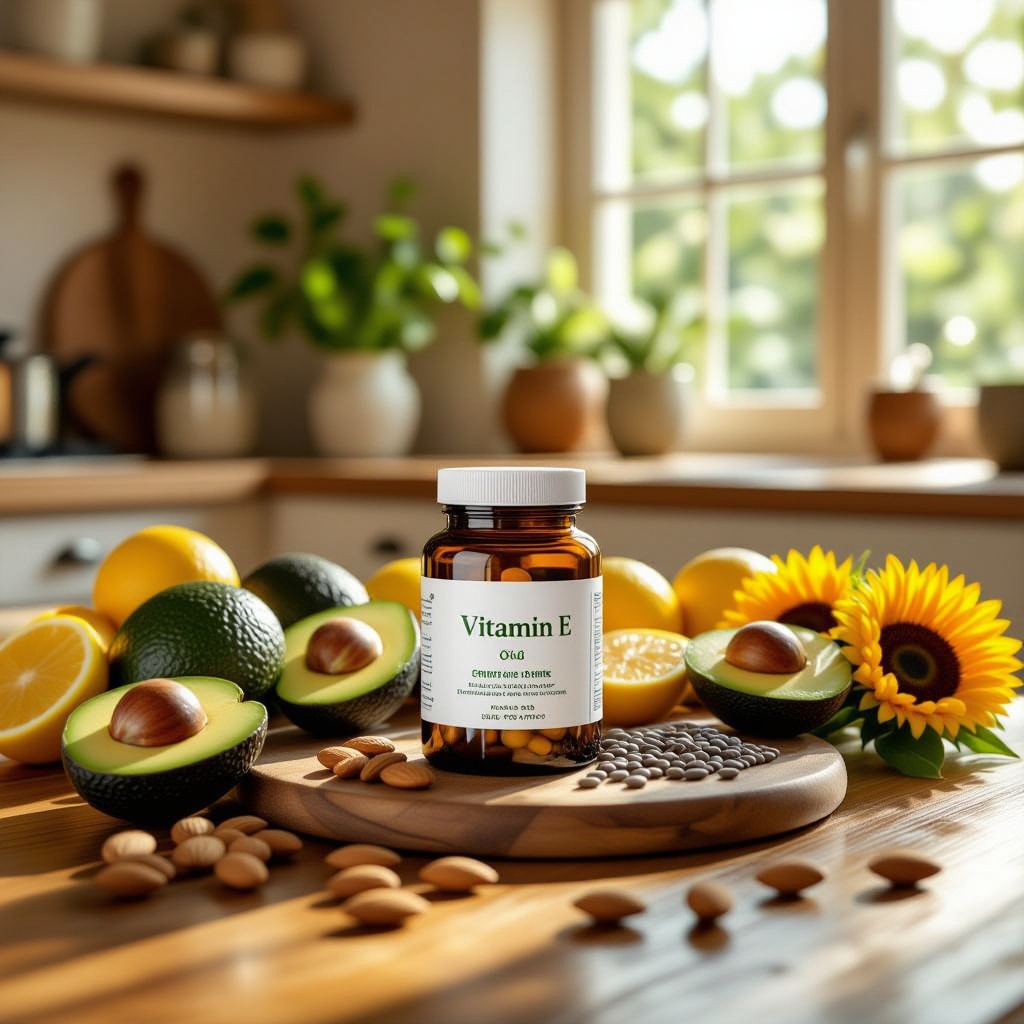
Podcast: Should You Take Vitamin E Supplements?
NutritionFacts.orgPublished on May 15, 2025
Summary authored by editor@wellifi.com
TLDR Summary
Vitamin E supplementation presents a complex landscape of potential benefits and risks, with evidence suggesting it may not significantly enhance health outcomes and could even be detrimental in certain populations. Caution is advised when considering its use.
Key Points
- Vitamin D may reduce respiratory infection risk in children but not in adults.
- Alpha-tocopherol is the only form of vitamin E that protects against deficiency.
- Vitamin E supplements may worsen infection outcomes for some groups.
- Meta-analyses show a slight increase in mortality risk with vitamin E supplementation.
- Vitamin E does not effectively prevent lung cancer but may have mixed effects on prostate cancer.
- Research on vitamin E's effects on Alzheimer's disease is inconclusive.
Understanding Vitamin E: The Risks and Benefits
We often find ourselves asking questions about our diet and health choices. How do we treat chronic illnesses, fend off viruses, or lose weight effectively? The abundance of conflicting information can be overwhelming. In this post, we’ll delve into the nuanced findings around vitamin E supplementation, exploring its potential risks and benefits.
Vitamin D and Respiratory Infections
Before discussing vitamin E, it's important to mention vitamin D. Randomized controlled trials suggest that daily vitamin D supplementation may reduce the risk of acute respiratory infections in children and adolescents, although it does not appear to provide similar benefits for adults.
The Complex Nature of Vitamin E
Vitamin E supplements are commonly marketed, but the science behind them is complex. The primary form of vitamin E that has been shown to protect against deficiency is alpha-tocopherol. Observational studies indicate that those who take vitamin E supplements report better outcomes with pneumonia, but interventional trials are necessary to confirm these claims.
Impact on Immunity and Respiratory Infections
Some studies have shown that vitamin E can enhance the immune response to certain vaccinations, like hepatitis B and tetanus, but not to diphtheria or pneumonia. A trial involving elderly participants showed a 20% reduction in upper respiratory tract infections but also raised concerns, as other studies indicated that vitamin E might worsen infection outcomes for some individuals.
Mixed Results from Large Studies
The ATBC Study, which involved nearly 15,000 smokers over five years, revealed no overall benefits from vitamin E supplementation. Subgroup analyses suggested that lighter smokers in urban areas might experience fewer colds, while heavier smokers in rural areas faced an increased risk of infections.
Vitamin E and Mortality Risks
Meta-analyses of numerous trials indicate a slight but notable increase in mortality risk associated with vitamin E supplementation. In a review of 46 trials, 12% of participants in vitamin E groups died compared to 10% in placebo groups. This mirrors findings associated with beta-carotene supplementation, raising questions about the safety of these antioxidants.
Vitamin E and Cancer Risk
The ATBC study aimed to assess whether antioxidant supplements could prevent lung cancer in smokers. While vitamin E did not reduce lung cancer risk, it was found to be associated with reduced prostate cancer rates in some instances. However, subsequent trials, including the SELECT study, indicated a 17% increased risk of prostate cancer with vitamin E supplementation.
Alzheimer's Disease and Cognitive Decline
The role of vitamin E in Alzheimer’s disease is particularly controversial. While lower blood levels of vitamin E have been observed in individuals with cognitive impairments, studies on supplementation have yielded mixed results. The largest primary prevention study found no protective effect of vitamin E against dementia.
Clinical Trials and Findings
Discrepancies in trial outcomes regarding vitamin E and Alzheimer’s disease have emerged. Some trials indicated potential benefits in slowing functional decline, while others suggested detrimental effects on cognition. The variability in results highlights the need for further research to clarify the role of vitamin E in cognitive health.
Conclusion: Proceed with Caution
While vitamin E may have some benefits, the risks associated with supplementation cannot be overlooked. As with any dietary supplement, it is crucial to approach vitamin E with caution and to seek guidance from healthcare professionals. Ultimately, focusing on obtaining nutrients through a balanced diet remains the safest path to health.
We encourage you to share your experiences with evidence-based nutrition at nutritionfacts.org/testimonials, and check out our resources for more information on the latest nutrition research.
For further reading, Dr. Michael Greger’s book “How Not to Age” and his mini book on Ozempic are available through various formats.