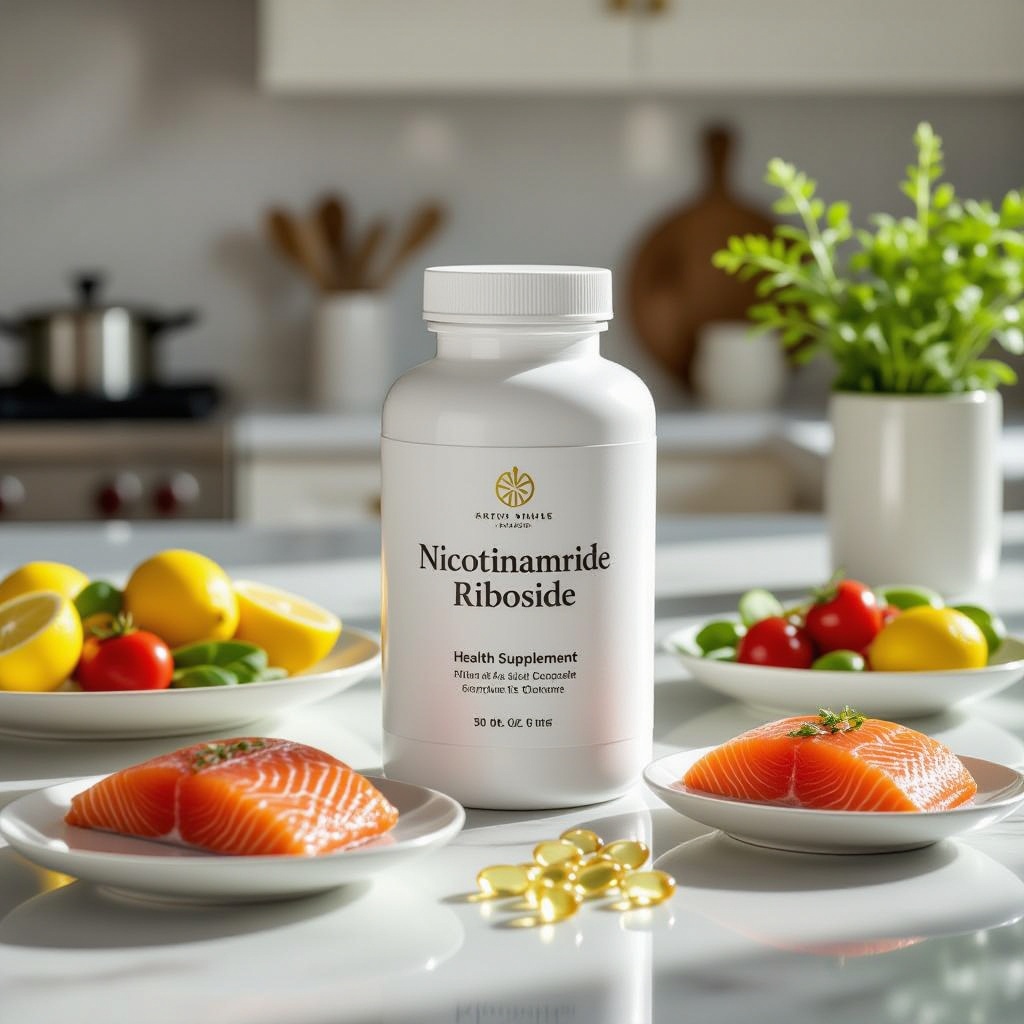
Podcast: The Risks and Benefits of Nicotinamide
NutritionFacts.orgPublished on September 4, 2025
Summary authored by editor@wellifi.com
TLDR Summary
Nicotinamide (NAM) shows potential health benefits, particularly for skin health and aging, but carries risks such as gastrointestinal disturbances and neurotoxicity. While related compounds like nicotinamide riboside (NR) could boost NAD+ levels, they lack strong clinical evidence for effectiveness in humans.
Key Points
- Nicotinamide (NAM) is one of the forms of vitamin B3, the other being nicotinic acid (NA).
- NAM has been linked to anti-aging effects, skin health, and potential benefits in mitochondrial function.
- High doses of NAM can cause gastrointestinal issues, liver toxicity, and may exacerbate neurodegenerative conditions.
- NAM may impair the metabolism of neurotransmitters and elevate homocysteine levels, which are risk factors for cardiovascular diseases.
- Nicotinamide riboside (NR) shows promise as an NAD+ booster but lacks significant clinical benefits in human trials.
Understanding Nicotinamide: A Closer Look at Its Benefits and Risks
Have you ever wondered if there are natural ways to lower high blood pressure, guard against Alzheimer's, lose weight, and feel better? It turns out that there are! Welcome to the Nutrition Facts Podcast. I’m your host, Dr. Michael Greger. Today, we continue our series on NAD+, an enzyme vital for all living things, which is purportedly boosted by various supplements. In this article, we will delve into nicotinamide (NAM) and its implications for health.
What is Nicotinamide?
Nicotinamide, also known as niacin or vitamin B3, is one of the two forms of vitamin B3. The other form is nicotinic acid (NA). While both compounds are beneficial, NAM doesn’t cause the same hot flash reactions associated with NA. However, the effectiveness of NA versus NAM in boosting NAD+ levels remains unclear.
Potential Benefits of Nicotinamide
Anti-Aging Properties
NAM has been shown to extend the lifespan of C. elegans, a type of roundworm. However, studies have shown mixed results when it comes to mammals. For instance, NAM did not prolong the lifespan of mice, raising questions about its effectiveness in humans.
Skin Health
Topical nicotinamide has proven anti-aging effects on the skin and has been shown to help prevent skin cancer. However, its efficacy in preventing type 1 diabetes remains uncertain, although it may help preserve pancreatic function in newly diagnosed patients.
Mitochondrial Function
In individuals with mitochondrial myopathy, NA has been shown to raise muscle NAD+ levels and improve mitochondrial function. However, in healthy individuals, the same benefits were not observed.
Risks and Concerns
Side Effects
High doses of NAM can lead to gastrointestinal disturbances and liver toxicity. Additionally, excess NAM may cause issues with methylation, leading to neurotoxic effects and potential exacerbation of conditions like Parkinson’s disease and Alzheimer’s.
Impact on Methylation
A single dose of 100 mg of NAM has been shown to elevate blood levels of hormones such as noradrenaline and neurotransmitters like serotonin, which may impair their metabolism. Furthermore, increased homocysteine levels, a risk factor for cardiovascular disease and dementia, have been observed with NAM supplementation.
Sirtuin Inhibition
Interestingly, NAM can act as a sirtuin inhibitor, which contradicts the common belief that NAD+ precursors boost sirtuin activity. The body may downregulate NAD+ use in response to high levels of NAM, potentially leading to negative consequences.
NAD+ Precursors: NR and NMN
Another NAD+ booster, nicotinamide riboside (NR), shows more promise compared to NA or NAM. NR has been shown to raise liver NAD+ levels and improve lifespan in mice. However, clinical trials in humans have not shown significant benefits, raising doubts about its effectiveness.
Conclusion
While nicotinamide and its derivatives show potential in various health applications, the evidence remains mixed, especially concerning long-term benefits and risks. Individuals should consult healthcare professionals before starting supplementation.
For more information and resources, visit NutritionFacts.org.