Rhonda Patrick: This is the Best Powder for Gut Health and Inflammation
Thomas DeLauerPublished on June 17, 2026
Summary authored by editor@wellifi.com
TLDR Summary
Glutamine is a vital amino acid that supports gut health and immune function, especially for athletes. Additionally, increasing fiber intake can help detoxify the body from harmful microplastics and plastics-associated chemicals.
Key Points
- Glutamine is an amino acid that supports gut health and energy production.
- It helps heal gut epithelial cells and prevent harmful substance release.
- Concerns exist about glutamine's role in cancer risk for certain types.
- Synbiotics like Seed's DS-01 can rapidly improve gut health.
- Fiber helps detoxify the body from microplastics and associated toxins.
The Importance of Glutamine and Gut Health
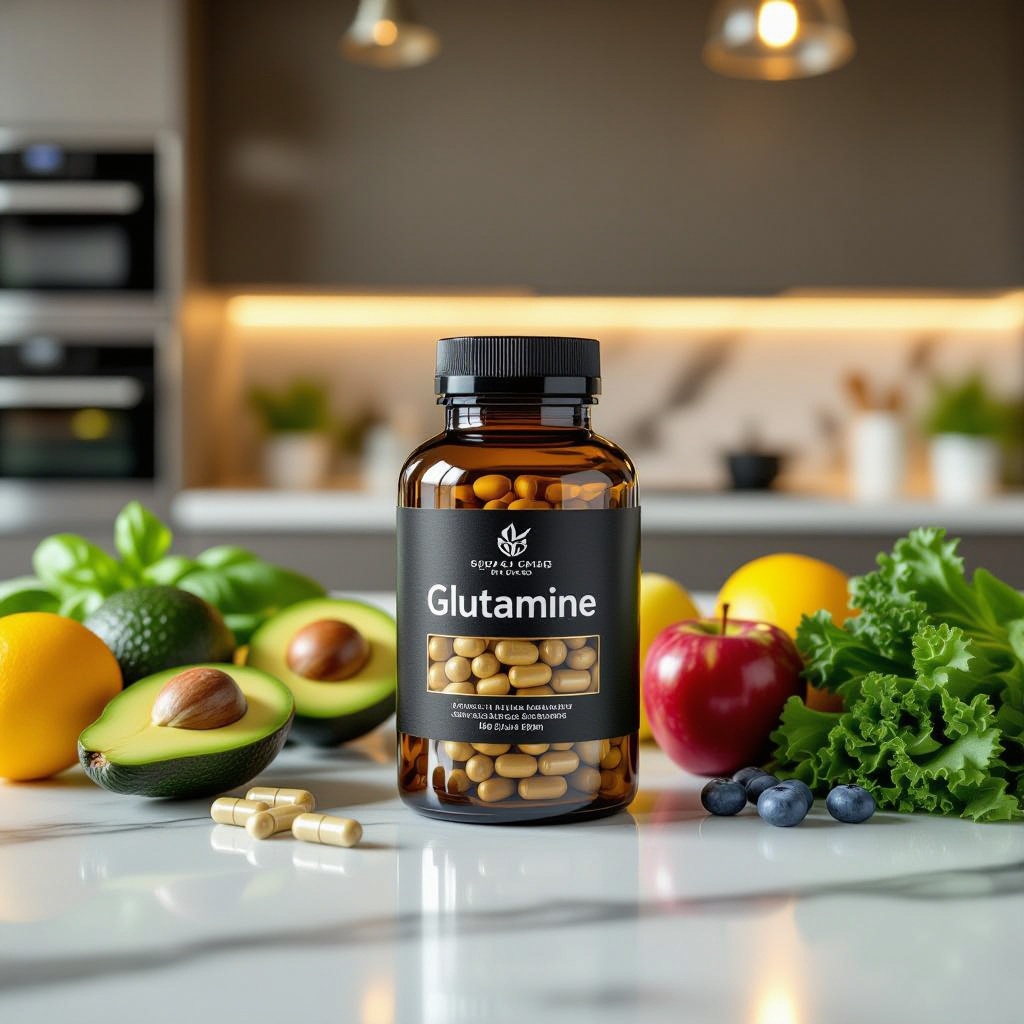
In the world of health and fitness, glutamine has emerged as a critical supplement, especially for those who train with relative intensity. This amino acid plays a vital role in gut health, energy production, and immune function. In this blog post, we will explore the benefits of glutamine, its implications for gut health, and how it interacts with various health conditions.
Understanding Glutamine
Glutamine is an amino acid that serves multiple functions in the body. It can be converted into energy and plays a role in the production of neurotransmitters like glutamate. This versatility makes glutamine particularly interesting for individuals looking to improve their health and performance.
Benefits for Gut Health
Glutamine is known to provide immediate energy to gut epithelial cells, which helps in healing and maintaining gut integrity. Research has shown that glutamine and other short-chain fatty acids can prevent the release of harmful substances like lipopolysaccharides, thereby supporting gut health and reducing bloating.
Glutamine and Cancer Risk
There are concerns regarding glutamine's role in cancer risk, particularly since cancer cells can also utilize glutamine as an energy source. While glutamine can be beneficial for many, individuals with specific cancers, such as colon or liver cancer, may want to avoid it. The key is to consult healthcare professionals if there are existing cancer concerns.
Synbiotics for Gut Health
Another effective approach to improving gut health is through synbiotics, which combine probiotics and prebiotics. One particularly effective product is Seed's DS-01, a synbiotic that rapidly remodels the gut microbiome, alleviating issues like bloating and constipation. This product is designed to survive stomach acid and promote the growth of beneficial gut bacteria.
Practical Tips for Supplementing with Glutamine
If you’re considering glutamine supplementation, the recommended daily dose ranges from 5 g to 30 g, depending on your level of activity and exposure to stressors. Glutamine can be particularly beneficial for those engaged in high-intensity training, such as CrossFit or endurance sports, as it helps mitigate gut mucosal breakdown and enhance immune function.
Dealing with Microplastics and Toxins
In addition to glutamine and gut health, it’s essential to consider the impact of microplastics and plastic-associated chemicals in our lives. Microplastics can accumulate in the body and are associated with various health risks, including inflammation and chronic diseases. To mitigate their effects, increasing fiber intake can aid in the excretion of these harmful substances.
Fiber's Role in Detoxification
Both soluble and insoluble fibers play crucial roles in detoxifying microplastics. Insoluble fiber helps move food through the digestive tract quickly, while soluble fiber can form a protective coating that prevents the absorption of microplastics. Incorporating a variety of fibrous foods in your diet can support the body's natural detoxification processes.
Conclusion
Glutamine is a powerful amino acid that supports gut health, energy production, and immune function, making it a valuable addition to the regimen of anyone engaged in intensive training. Combined with a focus on fiber intake to combat microplastics and plastic-associated toxins, individuals can take significant steps toward enhancing their health and well-being.