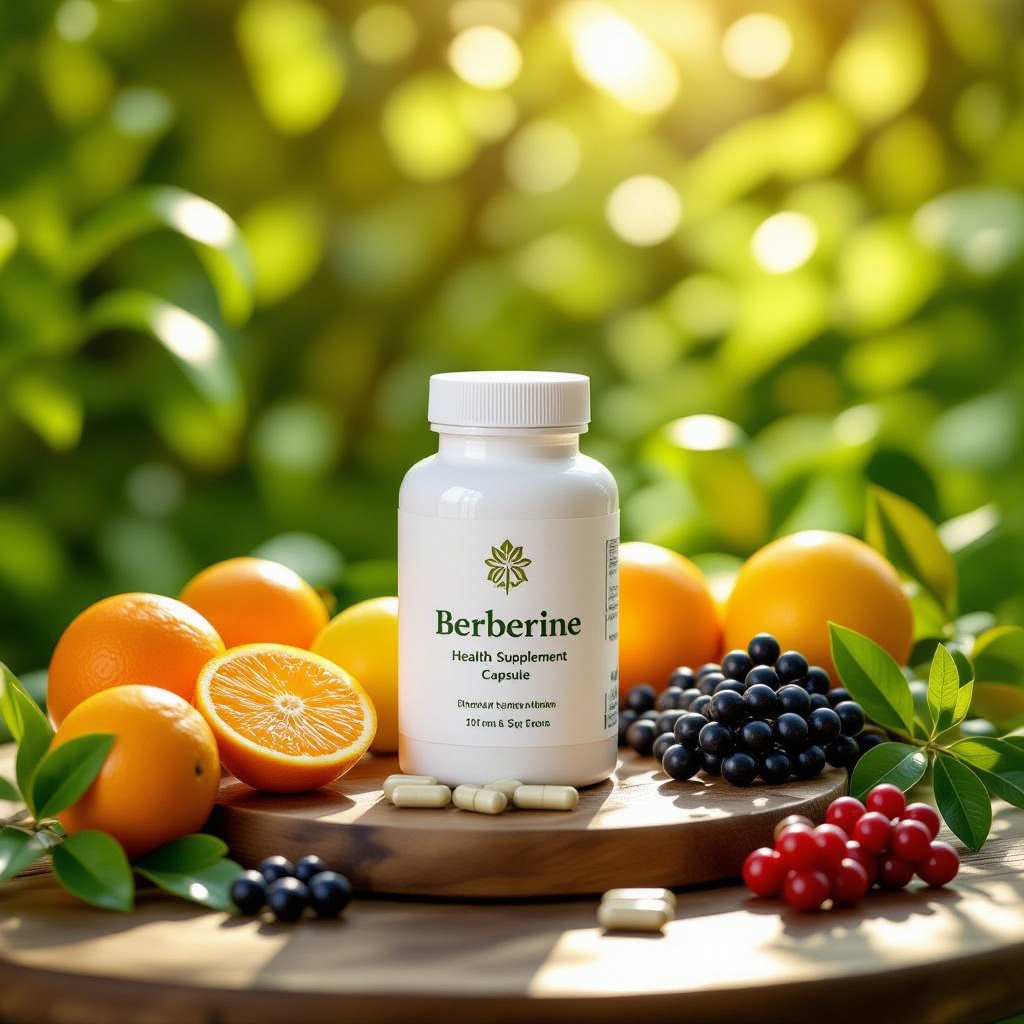
Should You Supplement With Berberine? - Rhonda Patrick
FoundMyFitnessPublished on June 19, 2025
Summary authored by editor@wellifi.com
TLDR Summary
Berberine has shown promise in reducing inflammatory markers and slowing the progression of atherosclerosis, based on a review of 44 randomized controlled trials. While it interacts with prescription drugs, necessitating a discussion with healthcare providers, its potential as a safer alternative or adjunctive therapy to statins is particularly compelling. Personal experimentation and further research may pave the way for its broader clinical use.
Key Points
- Berberine interacts with prescription drugs, highlighting the importance of consulting with a healthcare provider before supplementation.
- Recent research indicates berberine's potential in reducing inflammatory markers and intima-media thickness, suggesting its role in slowing atherosclerosis progression.
- Berberine's effects were analyzed in 44 RCTs, showing benefits alone and in combination with statins, particularly in reducing stroke-related neurologic deficits.
- Personal experimentation by the author aims to assess berberine's impact on lipid levels and cardiovascular health.
- Berberine presents a lower risk of liver enzyme abnormalities and myalgia compared to statins alone, suggesting its potential as a safer alternative or complementary therapy.
- More research is needed before berberine can be widely recommended in clinical practice, though it remains a compelling option for those interested in natural supplements.
Revisiting Berberine: A Promising Alternative for Atherosclerosis and Heart Health
With the growing interest in natural supplements for maintaining and improving heart health, berberine has recently come back into the spotlight. Richard's question about whether the views on berberine have evolved, especially in light of its potential to reduce cholesterol plaque, offers a timely opportunity to delve into the latest research and reassess this compound's benefits.
Understanding Berberine's Interactions and Safety
Before exploring the benefits of berberine, it's crucial to highlight its interactions with prescription drugs. Berberine can lower blood pressure and slow blood clotting, potentially interacting with medications that share these effects. Thus, consulting with a healthcare provider before supplementing with berberine is essential, especially for those on prescription medication.
The Scientific Backdrop: Berberine's Impact on Heart Health
Focusing on human studies, recent systematic reviews and meta-analyses shed light on berberine's significant role in reducing markers associated with heart disease and stroke. Notably, a 2023 publication reviewing 44 randomized controlled trials (RCTs) reveals berberine's capability to decrease high-sensitivity C-reactive protein, IL-6, and tumor necrosis factor alpha, all of which are inflammatory markers linked to atherosclerosis. Additionally, berberine was shown to reduce intima-media thickness, a quantitative index of atherosclerosis, suggesting its potential in slowing disease progression.
Comparisons with routine care or statins indicate that berberine alone can positively impact various health markers without outperforming these traditional treatments. However, when combined with statins, berberine contributed to further reductions in stroke-related neurologic deficits without significantly altering inflammatory biomarkers beyond the effects of statins alone.
Personal Experimentation and Broader Implications
Intrigued by the findings, the author has decided to begin supplementing with berberine, not only for personal health but also as a potential adjunct therapy for relatives at risk of coronary heart disease. This personal experiment aims to assess berberine's impact on lipid levels and overall cardiovascular health.
Moreover, the safety evaluation of berberine in the analyzed trials highlights its lower risk of liver enzyme abnormalities and myalgia compared to statins alone, suggesting its potential as a safer alternative or complementary therapy.
Conclusion: The Future of Berberine in Clinical Practice
While the evidence supporting berberine's benefits in heart health is promising, more research is needed before it can be widely recommended in clinical practice. However, for individuals interested in natural supplements and those with statin intolerance, berberine presents an intriguing option worth discussing with healthcare providers.
The ongoing updates to the berberine topic page and personal supplementation trials underscore the importance of staying informed and open to emerging natural therapies in the quest for optimal health.