The #1 Reason for Waking up and Not Falling Back Asleep - Here’s How to Fix it
Thomas DeLauerPublished on September 14, 2025
Summary authored by editor@wellifi.com
TLDR Summary
Nighttime overheating can often be traced back to elevated histamine and glucose levels. By implementing strategies such as taking vitamin C, berberine, and hot baths, you can effectively manage your body temperature and improve your sleep quality.
Key Points
- Nighttime overheating may be caused by elevated histamine and glucose levels.
- Vitamin C can help lower histamine levels and manage body temperature.
- Berberine and apple cider vinegar can improve glycemic control before bed.
- Hot baths can trigger vasodilation, helping you cool down.
- Theanine and creatine may assist in managing insulin levels and glucose absorption.
Understanding Nighttime Overheating: Causes and Solutions
Are you waking up at night feeling excessively warm or even drenched in sweat? While nighttime sweating can sometimes indicate serious health issues, there are common causes that can be addressed easily. In this article, we’ll explore the main factors contributing to overheating at night and provide actionable solutions to help you find relief.
The Role of Histamines and Glucose Levels
When it comes to nighttime overheating, one of the significant factors is the body's histamine response, which can be triggered by inflammation. When glucose levels are high, whether from diabetes or insulin resistance, the body may produce an inflammatory response that increases levels of prostaglandins, particularly prostaglandin E2. This increase can lead to elevated histamine levels, causing you to feel hot at night.
Addressing Histamines
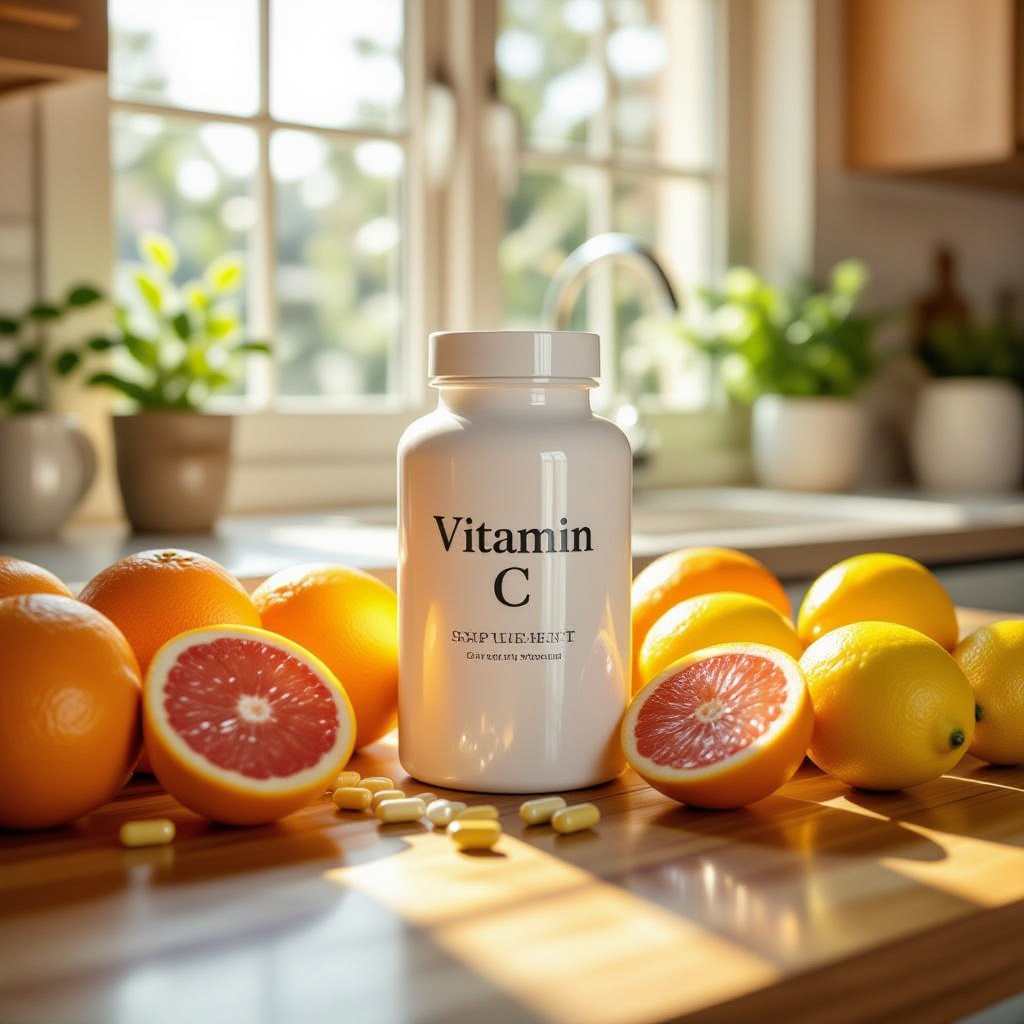
One effective way to manage histamine levels is by incorporating vitamin C into your routine. Taking vitamin C before bed or consuming vitamin C-rich fruits such as citrus can help mitigate histamine-related overheating. However, it's essential to prioritize lowering glucose levels as the primary approach to tackle this issue.
Managing Glucose Levels
High glucose levels can exacerbate overheating; therefore, addressing them is crucial. Consider these methods:
- Berberine: Taking 300 to 500 milligrams of berberine about 10 minutes before your last carbohydrate meal can significantly help lower glucose levels.
- Apple Cider Vinegar: Consuming two tablespoons of apple cider vinegar mixed with water before bed can improve glycemic control and help you feel cooler at night.
- Hot Baths: Taking a hot bath before bed can induce vasodilation, allowing your body to cool down effectively once you get into bed.
The Impact of Insulin on Body Temperature
Elevated insulin levels can trigger the sympathetic nervous system, leading to vasoconstriction, which reallocates blood flow to core organs and can increase body temperature. To combat this issue, consider:
- Theanine: Taking 200 to 500 milligrams of theanine may help with vasodilation and promote a cooler body temperature.
- Creatine: If you are physically active, adding one to three grams of creatine can help your muscles absorb more glucose, thereby reducing overall glucose levels.
Conclusion
Nighttime overheating can be uncomfortable and disruptive to your sleep. By understanding the roles of histamines and glucose levels, and implementing practical solutions such as vitamin C, berberine, apple cider vinegar, hot baths, theanine, and creatine, you can effectively manage your body temperature at night. Remember to consult with a healthcare professional if you have ongoing concerns about overheating or other health issues.
Key Takeaways
- Nighttime overheating may be caused by elevated histamine and glucose levels.
- Vitamin C can help lower histamine levels and manage body temperature.
- Berberine and apple cider vinegar can improve glycemic control before bed.
- Hot baths can trigger vasodilation, helping you cool down.
- Theanine and creatine may assist in managing insulin levels and glucose absorption.