The Longevity Molecule No One Talks About
Max LugaverePublished on December 26, 2025
Summary authored by editor@wellifi.com
TLDR Summary
Astaxanthin is a potent antioxidant that supports cellular health and longevity by protecting cell membranes and activating key metabolic pathways. Research indicates it could enhance lifespan and healthspan, making it a valuable addition to daily health routines.
Key Points
- Astaxanthin protects cellular membranes and DNA from oxidative stress.
- It activates AMPK, influencing energy metabolism and autophagy.
- Research suggests it can extend lifespan in model organisms like mice.
- Astaxanthin offers benefits for cardiovascular, brain, joint, liver, and gut health.
- It may add a healthy decade to human life expectancy.
Understanding Astaxanthin: The Longevity Vitamin
Astaxanthin, a powerful antioxidant, has gained attention for its role in cellular health and longevity. In this article, we will delve into how astaxanthin functions within our cells, its impact on longevity pathways, and why it is emerging as a vital supplement for health enthusiasts.
What is Astaxanthin?
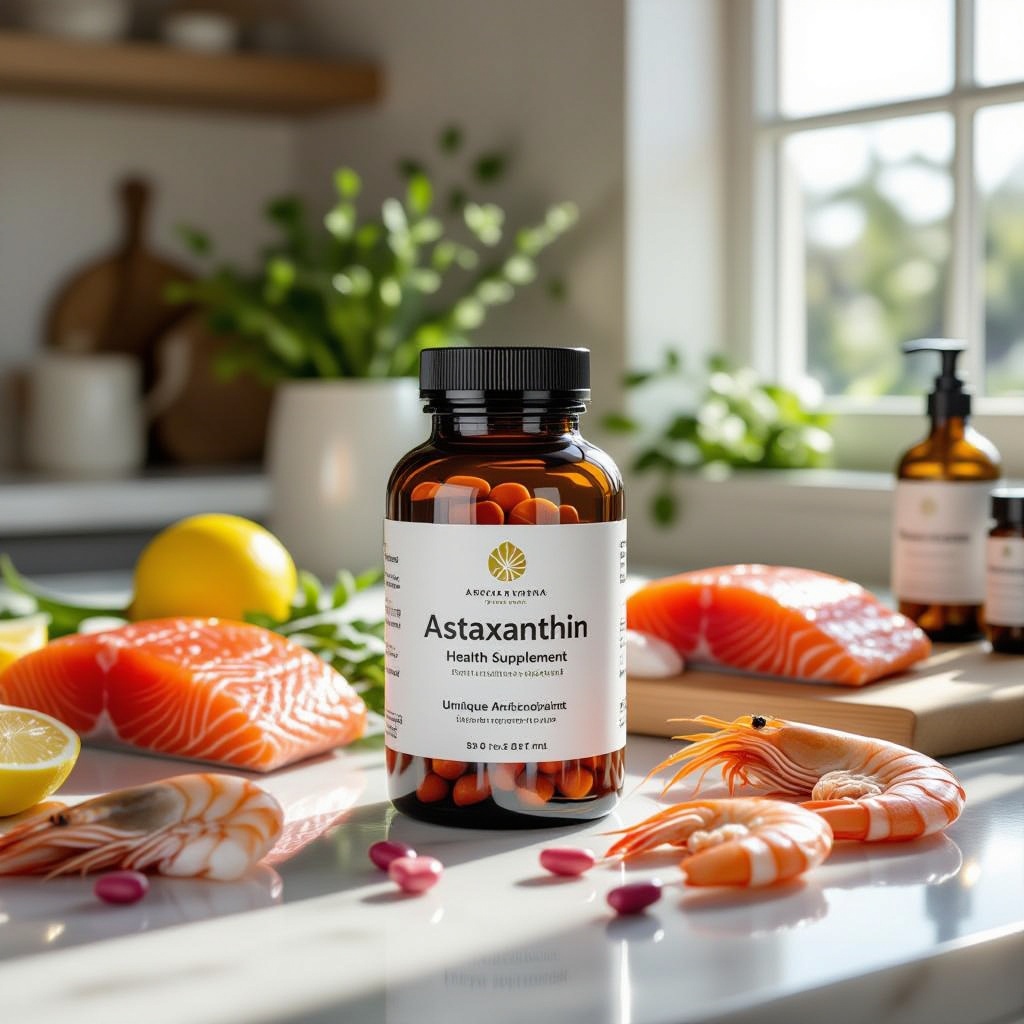
Astaxanthin is a carotenoid pigment found in certain algae, which gives salmon, shrimp, and flamingos their pink hue. Its antioxidant properties make it a potent defender against oxidative stress, protecting cell membranes, DNA, and mitochondria from damage. By fighting free radicals, astaxanthin helps maintain cellular integrity and supports overall health.
Mechanisms of Action
Cellular Protection
Astaxanthin safeguards the membranes of cells, including those of the nucleus and mitochondria, where energy production occurs. It plays a critical role in:
- Protecting against lipid peroxidation and oxidation of cellular components.
- Neutralizing reactive oxygen species (ROS) generated during cellular respiration.
- Supporting endogenous antioxidant systems like glutathione.
Influencing Longevity Pathways
Astaxanthin activates key longevity pathways, including AMPK (AMP-activated protein kinase), which helps regulate energy homeostasis in cells. When energy levels drop, AMPK is activated, leading to:
- Inhibition of lipid and protein synthesis.
- Increased glucose uptake and fat oxidation.
- Activation of autophagy, the cellular cleanup process.
Furthermore, astaxanthin is linked to the activation of FOXO3 and PGC1-alpha, which are crucial for mitochondrial biogenesis and function, further enhancing energy production and overall cellular health.
Astaxanthin and Longevity Studies
Research, including studies backed by the NIH, has shown that astaxanthin can extend lifespan in various model organisms, including mice, worms, and fruit flies. Notably, in a study with male mice, astaxanthin supplementation led to a significant lifespan extension of over 12%. This suggests that astaxanthin could potentially add a healthy decade to human life expectancy.
Benefits Beyond Lifespan
Astaxanthin not only contributes to lifespan extension but also enhances healthspan—the period of life spent in good health. Its benefits span various aspects of health:
- Cardiovascular health
- Brain health
- Joint and muscle health
- Liver function
- Immune system support
- Gut health
Conclusion
Astaxanthin is a remarkable supplement that offers a multitude of health benefits, particularly in the realms of cellular protection and longevity. With its ability to enhance key biological pathways, it stands out as a significant ally in promoting overall health and well-being. As ongoing research continues to unveil its potential, incorporating astaxanthin into your daily routine may just be the key to not only living longer but living healthier.