The Only Way to Rapidly Lower Cortisol (in Less than 14 Days)
Thomas DeLauerPublished on August 5, 2025
Summary authored by editor@wellifi.com
TLDR Summary
To reduce cortisol levels in 30 days, structure your day with mindful light exposure, balanced meals, and key supplements. Prioritize high-protein and moderate-fat breakfasts, minimize carbs, and incorporate evening supplements to improve sleep quality.
Key Points
- Start your day with light exposure to reset circadian rhythms.
- Delay caffeine intake for better cortisol management.
- Eat a high-protein, moderate-fat breakfast while minimizing carbs.
- Incorporate a walk after meals to lower cortisol levels.
- Keep dinner as the lowest calorie meal to promote better sleep.
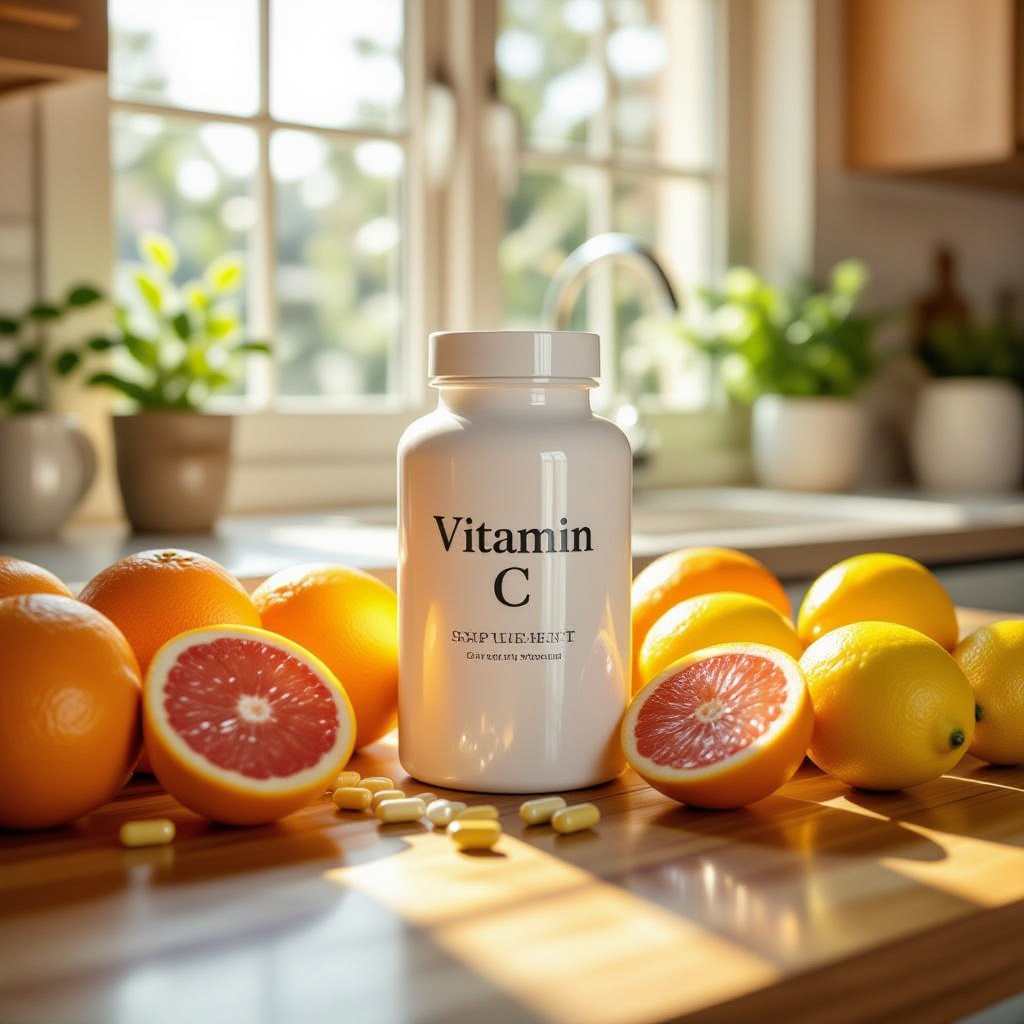
- Consider supplements like Vitamin C, Fish Oil, Glycine, and Saffron.
How to Drastically Reduce Cortisol Levels in 30 Days
Cortisol, often referred to as the stress hormone, can wreak havoc on our bodies when levels are chronically high. If you're feeling stressed, having trouble sleeping, or managing everyday challenges, you're not alone. In this article, we'll explore a structured daily approach to help reduce cortisol levels effectively over a 30-day period.
Understanding Cortisol and Its Effects
Cortisol plays a vital role in our body's response to stress. However, when cortisol levels remain elevated for extended periods, they can lead to a range of health issues, including anxiety, weight gain, and sleep disorders. The good news is that with the right strategies, you can manage and lower your cortisol levels.
Daily Structure for Lowering Cortisol
Here’s a breakdown of daily habits and dietary choices to help reduce cortisol levels:
Morning Routine
- Light Exposure: Start your day by sitting by a window or stepping outside to get some sunlight. This can help reset your circadian rhythm.
- Delay Caffeine: If you typically consume caffeine first thing in the morning, consider delaying it by 15-20 minutes to allow natural cortisol levels to drop.
- Breakfast Choices: Prioritize a high-protein, moderate-fat breakfast while minimizing carbohydrates. Include vitamin C-rich foods like bell peppers or strawberries to help blunt cortisol spikes.
Midday Practices
- Lunch Composition: Aim for a medium-sized meal with moderate proteins and lower carbohydrates. Incorporate resistant starches like sweet potatoes and consider adding fish oil for omega-3 fatty acids.
- Walk After Meals: Take a 5-10 minute walk after lunch to further reduce cortisol levels.
Evening Wind Down
- Dinner Strategy: Keep dinner as the lowest calorie meal of the day, focusing on high-protein and slow-digesting carbohydrates to promote serotonin production and better sleep.
- Supplement Glycine: Consider taking glycine, either through collagen-rich foods or as a supplement, to help calm the brain and regulate cortisol.
Bedtime Supplements
- Saffron and Magnesium: Incorporate saffron and magnesium supplements before bed to support sleep quality.
- Consider Other Compounds: Theanine, tryptophan, and 5-HTP can also contribute to lowering cortisol and improving sleep.
Key Supplements to Consider
- Vitamin C: Helps blunt cortisol spikes.
- Fish Oil: Provides omega-3 fatty acids that help modulate inflammation.
- Glycine: Can calm the brain and help regulate cortisol levels.
- Saffron: Shown to improve sleep quality and regulate cortisol.
- Magnesium: Essential for many bodily functions and can help reduce cortisol levels.
Conclusion
By structuring your day with these thoughtful practices and dietary choices, you can effectively reduce cortisol levels within 30 days. Remember, consistency is key. Incorporate these strategies into your daily routine, and you may just find a significant improvement in your stress levels, mood, and overall health.