The Peptide Craze Has a Serious Problem Nobody's Talking About
Dr. Steven GundryPublished on April 19, 2026
Summary authored by editor@wellifi.com
TLDR Summary
Peptides are essential signaling molecules made up of amino acids, critical for various bodily functions. Their decline with age can affect health, making well-formulated peptide supplements beneficial for anti-aging and cognitive support. However, caution is advised when considering injectable peptides due to safety concerns.
Key Points
- Peptides are short chains of amino acids that act as cell signaling molecules.
- There are different types of peptides: collagen peptides, skincare peptides, injectable peptides, and oral peptide formulas.
- As we age, our natural production of peptides declines, impacting mental acuity and recovery.
- Choosing quality peptide supplements can improve circulation, energy, and cognitive function.
The Truth About Peptides: What You Need to Know for Anti-Aging
Peptides are currently the hottest buzzword in the anti-aging community, but many people are still in the dark about what they actually are. From collagen powders to skincare products and injections, the term 'peptide' is used in various contexts, which can be quite confusing. In this article, we will simplify peptides, explain why they matter as you age, and guide you on what to look for when considering peptide supplements.
What Are Peptides?
At their core, peptides are short chains of amino acids. These amino acids combine to form peptides, which then create proteins. The main job of peptides is to act as cell signaling molecules. They communicate vital information to our cells and DNA about what actions they should take. This function is especially important as we age, as the natural production of peptides declines.
The Different Types of Peptides
It's crucial to distinguish between the various categories of peptides, as they serve different purposes:
1. Collagen Peptides
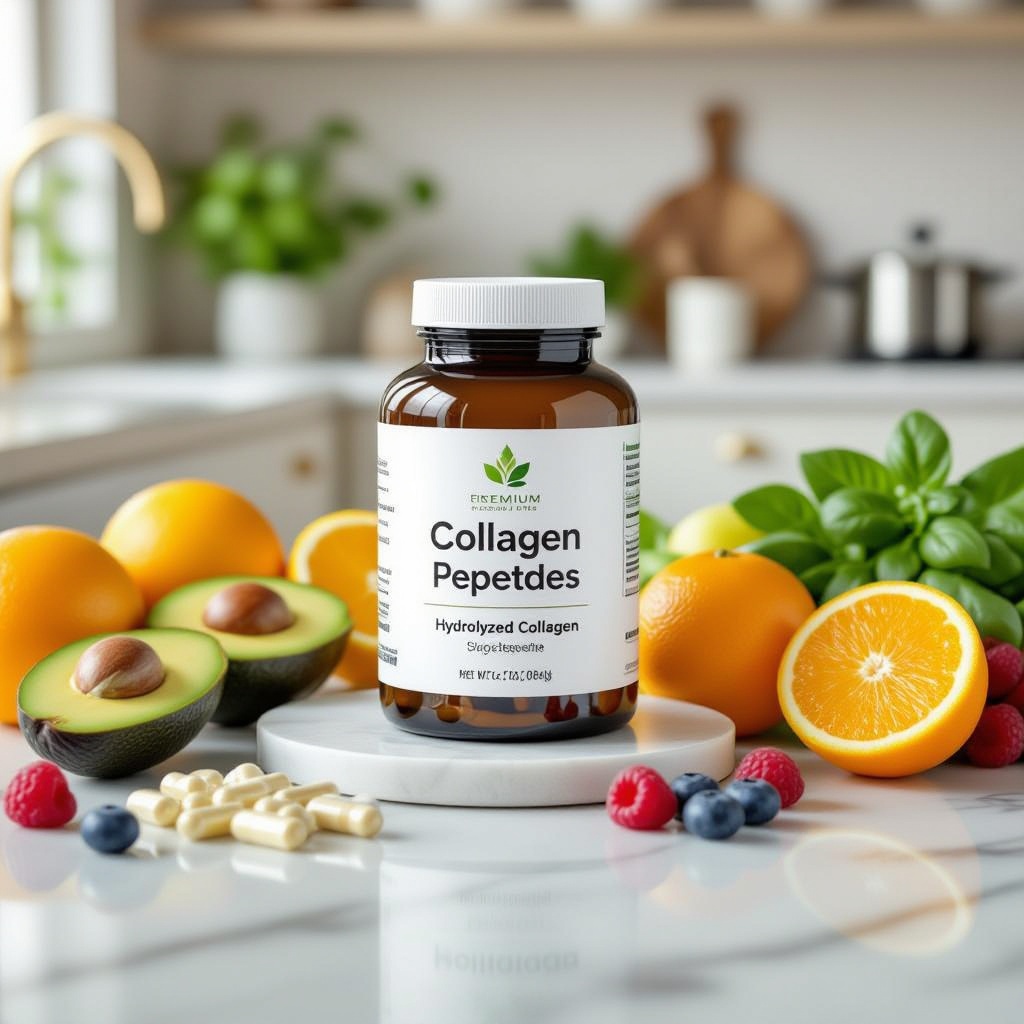
Collagen peptides are taken orally and serve as building blocks for collagen, one of the most critical structural molecules in our skin, muscles, and bones. This makes them a popular choice for those interested in maintaining youthful skin and overall structural integrity.
2. Skincare Peptides
These peptides are typically used in topical products. They are designed to provide local support to the skin. The epidermis, being a barrier, can absorb certain compounds, but the effectiveness of these peptides can vary depending on their size and formulation.
3. Injectable and Research Peptides
While enticing, injectable peptides are still largely unregulated and not ready for widespread use. Many peptides that are popular among influencers and celebrities have not received FDA clearance for safety, which raises significant concerns.
4. Oral Peptide Formulas
These formulations aim to use peptides as signaling molecules to boost energy, improve neuron health, and enhance circulation. However, caution is advised as the quality and efficacy of these products can vary widely.
Why Peptides Matter as We Age
As we grow older, our bodies produce fewer peptides, leading to reduced mental acuity, stamina, and slower recovery times. Peptides act as messengers in our body, conveying important information that helps regulate various functions, including immune response and cellular communication. This decline in peptide production can significantly impact our overall health and wellness.
Choosing the Right Peptide Supplements
When considering peptide supplements, it's essential to focus on their potential benefits:
- Improved circulation and oxygen delivery
- Enhanced cellular energy production
- Support for brain health and cognitive function
For example, a well-formulated supplement like Peptide Vitality includes components that support blood flow, cellular energy, and cognitive function, making it a thoughtful choice for those looking to age gracefully.
Conclusion
Peptides are indeed a promising avenue in the realm of anti-aging and overall health. However, it's vital to approach this topic with caution and discernment. With the plethora of information available online, one must be careful to differentiate between well-researched products and those that lack rigorous scientific backing. Always consult with a healthcare provider before starting any new supplement regimen, especially when it comes to peptides.