The Science of Arthritis: How to Keep Your Joints & Bones Strong for Life
Dr. Gabrielle LyonPublished on April 8, 2025
Summary authored by editor@wellifi.com
TLDR Summary
Dr. Jocelyn Witstein emphasizes the importance of proactive care for bone and joint health, especially for women over 30. Key strategies include collagen supplementation, hormone therapy, proper nutrition, and regular exercise to prevent osteoporosis and joint pain.
Key Points
- Bone and joint health changes after age 30, emphasizing the need for proactive care.
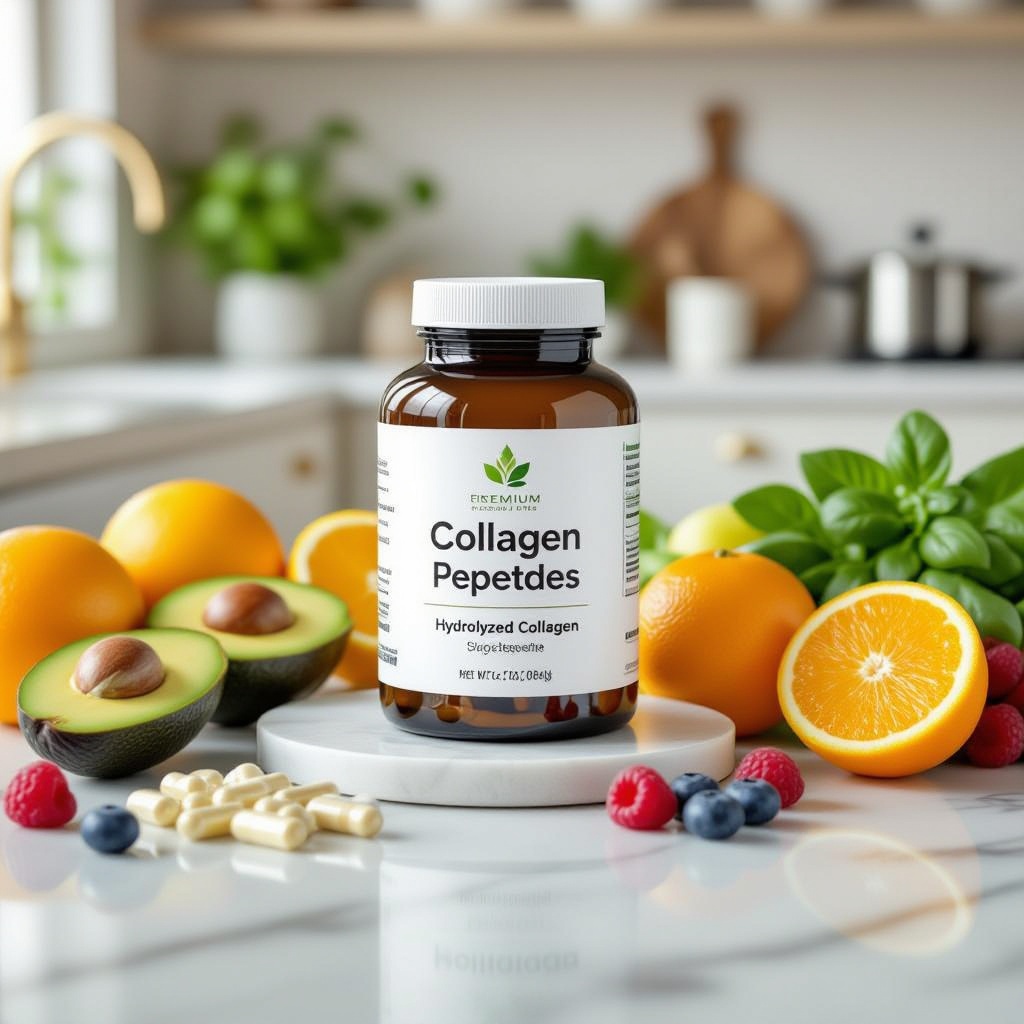
- Collagen supplements can support joint health; Dr. Witstein recommends both UC2 and hydrolyzed collagen.
- Estrogen plays a critical role in maintaining bone density; menopause increases osteoporosis risk.
- Nutrition and specific supplements like calcium, vitamin D, and curcumin are essential for bone health.
- Strength training and impact exercises are vital for maintaining bone density.
Understanding Bone and Joint Health: Insights from Dr. Jocelyn Witstein
If you're over 30, your bones and joints are already changing. Ignoring this could lead to arthritis, osteoporosis, and chronic pain later in life. In today's blog, we will explore valuable insights from Dr. Jocelyn Witstein, a Duke orthopedic surgeon and sports medicine expert, who specializes in preventing and treating osteoporosis and joint damage.
Why Bone and Joint Health Matters
Most people only consider their bone and joint health when they start feeling pain or suffer an injury. However, Dr. Witstein emphasizes the importance of proactive measures. With adequate knowledge and strategies, individuals can maintain their musculoskeletal health and avoid debilitating conditions.
Collagen Supplements: A Surprising Recommendation
Initially skeptical about the benefits of collagen supplements for joint health, Dr. Witstein's research led her to endorse them. She highlights two types of collagen that can aid joint health:
- Undenatured Type II Collagen (UC2): Works through an immunologic response to reduce cartilage breakdown.
- Hydrolyzed Type II Collagen: Absorbed in smaller peptides, useful in reducing symptoms of early knee arthritis but not in slowing its progression.
Collagen supplements can be a simple addition to one’s routine to support joint health as they age.
The Impact of Hormones on Bone and Joint Health
Dr. Witstein explains that women face unique challenges as they age, particularly around menopause. The decline in estrogen levels correlates with an increased risk of osteoporosis and joint pain. Women lose 1% of bone density per year before menopause, but this rate doubles after menopause. Estrogen has a significant anti-inflammatory effect, and its decline leads to higher inflammation levels, contributing to joint pain.
Menopause and Osteoporosis
Women become more at risk for osteoporosis around menopause, which commonly occurs at age 52. Without intervention, this can lead to significant health issues, such as fragility fractures. Dr. Witstein advocates for the use of menopausal hormone therapy, which can reduce the risk of hip fractures by 30% and vertebral fractures by 40%.
Nutrition and Supplements for Bone Health
Nutrition plays a crucial role in maintaining bone density. Dr. Witstein recommends several supplements:
- Calcium: Vital for bone health, ideally obtained through diet but can be supplemented if necessary.
- Vitamin D: 2,000 IU daily can help reduce joint pain in those with arthritis.
- Magnesium: Supports calcium absorption and promotes bone health.
- Vitamin K: Helps guide calcium to bones, important for those with poor diets.
- Curcumin: 1,500 mg per day can reduce inflammation and joint pain.
Exercise: The Key to Joint Health
Dr. Witstein emphasizes the importance of physical activity for maintaining bone and joint health. Strength training and impact exercises are particularly beneficial for increasing bone density. Simple activities such as jumping, walking, and even pool-based exercises can help improve bone health.
Preventing Injuries
One critical takeaway is that many injuries can be prevented through proper exercise and awareness of one’s limits. Listening to the body and not exceeding its physiological limits is essential to avoid joint pain and injuries.
Conclusion
Maintaining bone and joint health is a critical aspect of overall wellness, especially for women as they age. With proactive measures, including supplements, hormone therapy, and regular exercise, individuals can significantly impact their long-term health outcomes. As Dr. Witstein highlights, knowledge is power when it comes to preventing osteoporosis and joint pain.
For more comprehensive guidance, check out Dr. Witstein's upcoming book, The Complete Bone and Joint Health Plan, which offers a complete strategy to protect your joints and prevent osteoporosis.