The Science of Love, Desire & Attachment | Huberman Lab Essentials
Huberman LabPublished on February 12, 2026
Summary authored by editor@wellifi.com
TLDR Summary
Andrew Huberman explores the psychology and biology of desire, love, and attachment, emphasizing the role of attachment styles and neural circuits in romantic relationships. He also discusses practical tools for enhancing relationships and highlights supplements that may increase libido.
Key Points
- Attachment styles predict behaviors in romantic relationships.
- Neural circuits for love and attachment involve multiple brain areas.
- Self-soothing and understanding one's autonomic nervous system are key to healthy relationships.
- Specific supplements like Maca, Tongkat Ali, and Tribulus can enhance libido.
Understanding Desire, Love, and Attachment: Insights from Andrew Huberman
Welcome to Huberman Lab Essentials, where we revisit past episodes for the most potent and actionable science-based tools for mental health, physical health, and performance. I'm Andrew Huberman, a professor of neurobiology and ophthalmology at Stanford School of Medicine. In today's discussion, we will explore the psychology and biology of desire, love, and attachment.
The Science of Attachment Styles
One of the most significant findings in psychology is the concept of attachment styles, originally discovered through the work of Mary Ainsworth in the 1980s. Ainsworth developed a laboratory procedure called the 'strange situation task,' which assessed how children react to their caregivers in a controlled environment.
The task categorizes children into four attachment styles:
- Secure Attachment Style: These children exhibit distress when their caregiver leaves but are happy upon their return, indicating confidence in their caregiver's responsiveness.
- Anxious-Avoidant Attachment: These children do not show distress upon separation and may approach the caregiver upon return without expressing joy.
- Anxious-Ambivalent/Resistant Attachment: These children display clinginess and distress even before separation, making them difficult to comfort upon the caregiver's return.
- Disorganized Attachment: These children display confusion in how to react to separation, showing unpredictable emotional responses.
Interestingly, these early attachment styles can predict behaviors in romantic relationships later in life. Fortunately, these patterns can shift over time through awareness and understanding of their malleability.
The Neural Basis of Love and Attachment
Understanding the neural circuits involved in desire, love, and attachment reveals a complex interaction rather than a singular brain area responsible for these feelings. Three primary components interact:
- Autonomic Nervous System: This system regulates our physiological states, from calm to alert, influencing how we interact with our environment and others.
- Dopamine System: Dopamine is crucial for motivation and desire. It drives the pursuit of rewards but is not the sole determinant of sexual or romantic desire.
- Empathy Circuits: The neural circuits for empathy enable us to resonate with another's emotional state, crucial for forming strong attachments.
Studies indicate that synchronizing heart rates and emotional states with a partner can deepen feelings of attachment and desire.
Tools for Enhancing Relationships
To better navigate relationships, it is essential to recognize one's attachment style and autonomic nervous system responses in different situations. Here are some tools to foster healthy relationships:
- Reflect on your attachment style and how it manifests in your relationships.
- Practice self-soothing techniques to manage your autonomic nervous system when apart from your partner.
- Engage in meaningful conversations to reinforce emotional bonds, similar to the '36 questions that lead to love' exercise.
Supplements for Enhancing Libido
In the context of desire and attachment, several supplements have been identified that may help increase libido:
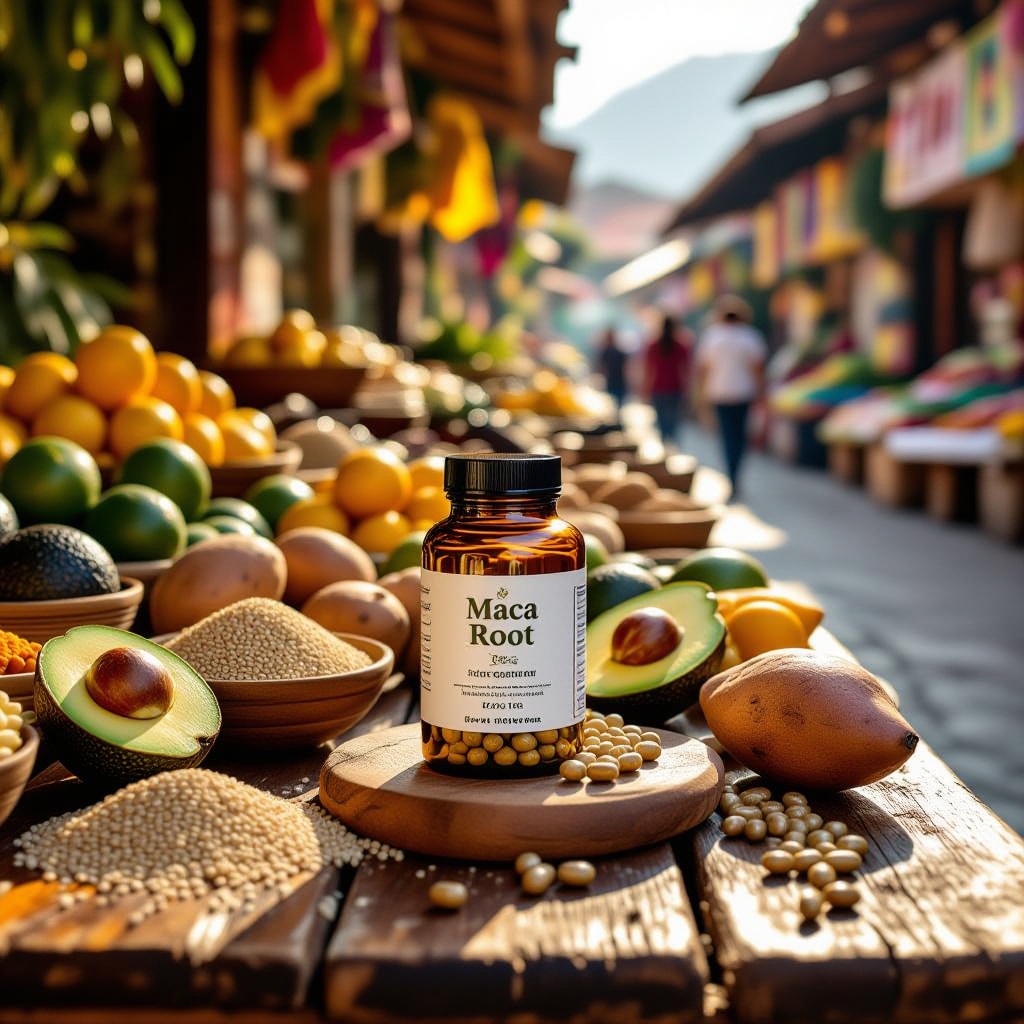
- Maca: This root is known for its potential to enhance sexual desire without significantly altering hormone levels.
- Tongkat Ali: This herb may increase free testosterone levels, enhancing libido.
- Tribulus Terrestris: This supplement has shown promise in increasing testosterone levels and potentially libido, although results can vary.
Always consult with a healthcare professional before starting any supplementation regimen.
Conclusion
Understanding the dynamics of desire, love, and attachment involves recognizing our attachment styles, the role of our autonomic nervous system, and the neurochemical processes at play. By employing practical tools and being aware of our emotional responses, we can foster healthier, more fulfilling relationships. Thank you for engaging with this exploration of the profound science behind our most intimate connections.