The Surprising Truth About Hemp, THC & CBD Drinks - Nicola & James Stephenson
Dr. Will ColePublished on July 27, 2025
Summary authored by editor@wellifi.com
TLDR Summary
This blog post discusses the evolving landscape of hemp and cannabis, highlighting the differences between hemp and marijuana, the benefits of CBD, and the growing trend of sober alternatives. It emphasizes the importance of consumer education and the integration of holistic health practices in the recovery process.
Key Points
- Cannabis is the genus that includes both hemp and marijuana, differentiated mainly by THC content.
- There is a growing trend toward sober alternatives, with an increasing interest in CBD for its calming effects.
- Holistic approaches to health recovery, including diet and stress management, are emphasized.
- Consumer education on cannabis products, including the entourage effect, is crucial for informed choices.
- CBD is non-psychoactive and helps maintain homeostasis without intoxication.
- Full-spectrum CBD products may offer enhanced benefits compared to isolates.
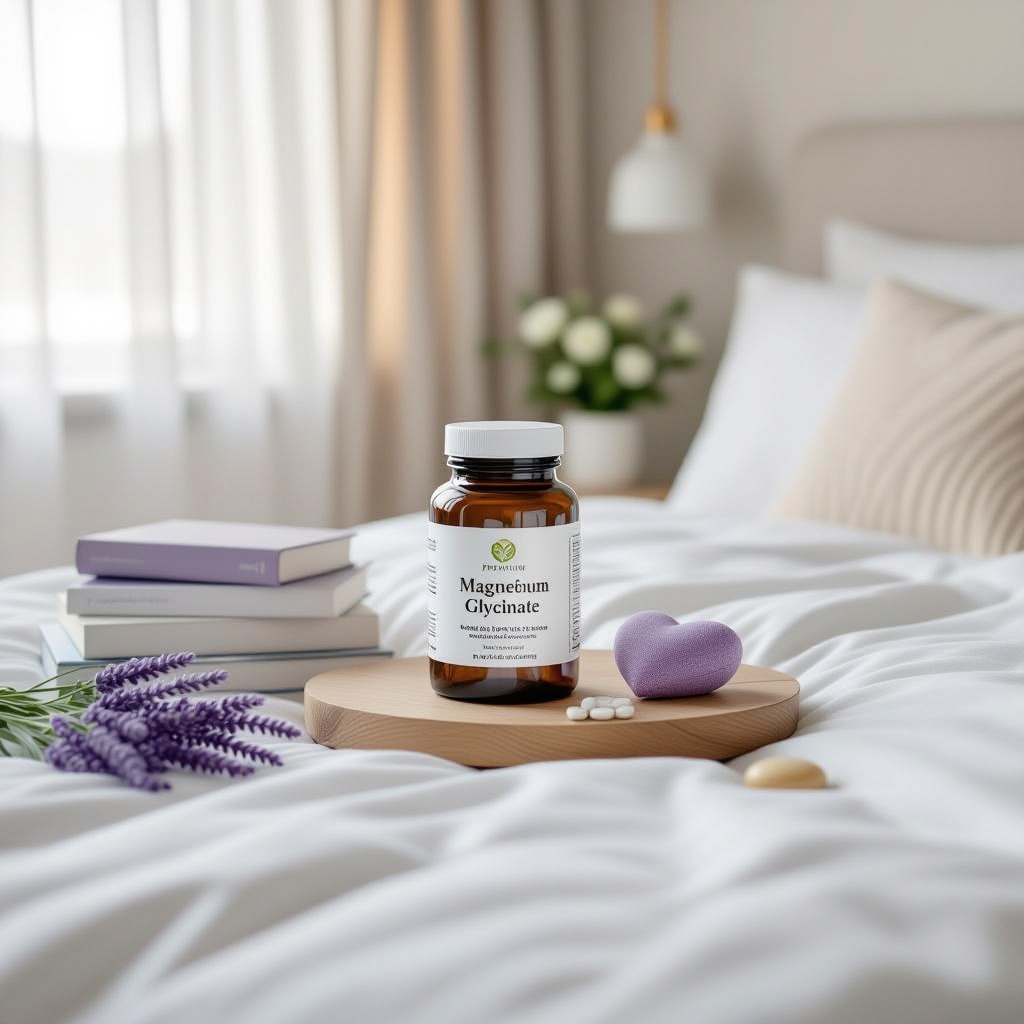
- Personal wellness practices, including magnesium supplementation and reduced alcohol consumption, are highlighted.
- The cannabis market is expected to continue its growth and acceptance in mainstream society.
Understanding the Evolving Landscape of Hemp, Cannabis, and CBD
The conversation around hemp and cannabis has evolved significantly over the past few years, particularly with the legalization of hemp in 2018. This blog post aims to explore the distinctions between hemp and cannabis, delve into the health benefits of CBD, and discuss the changing consumer attitudes towards cannabis products.
The Difference Between Hemp and Cannabis
Cannabis is a genus that includes both hemp and marijuana. The primary distinction lies in the levels of THC (tetrahydrocannabinol) present in these plants. While marijuana contains high levels of THC, hemp contains less than 0.3%, making it a non-psychoactive option.
The Rise of Sober Alternatives
In recent years, there has been a notable shift towards sober alternatives, with individuals seeking social rituals without alcohol. The calming effects of CBD have gained popularity, particularly in stressful times, as people look for ways to enhance their well-being without the intoxicating effects of alcohol.
Health and Wellness Journeys
One speaker shared their personal experience with oral cancer, highlighting the importance of receiving treatment from reputable facilities and embracing holistic approaches to recovery. This includes focusing on nutrition, stress management, and integrating functional medicine with conventional treatments to address both physical and emotional health.
Consumer Awareness and Education
As the cannabis industry evolves, it is crucial for consumers to understand the differences in cannabis products and the effects of various cannabinoids. The entourage effect, where different compounds work synergistically for enhanced benefits, is an important concept that consumers should be aware of.
Challenges in the Cannabis Industry
New entrants in the cannabis market face challenges such as navigating regulations and ensuring product quality. There is a need for transparency and scientific backing to avoid over-promising benefits.
The Benefits of CBD
CBD is known for its non-psychoactive nature, helping maintain homeostasis in the body without causing a “high.” Full-spectrum products, which contain a variety of cannabinoids, may enhance their effects due to the entourage effect. Health benefits associated with CBD products include improved sleep quality and pain relief, with products like sleep chocolates and recovery balms gaining popularity.
Market Trends and Personal Wellness Practices
There is growing interest in CBD and THC products as alternatives to alcohol, especially in light of the opioid crisis. Personal wellness practices shared by the speakers include using supplements like magnesium and reducing alcohol consumption to improve overall health.
The Future of THC and CBD Products
The future looks promising for THC and CBD products, with expectations for continued growth and acceptance in mainstream markets. As consumer preferences evolve, the focus on creating enjoyable and effective products will be key to their success.
Conclusion
The landscape of hemp and cannabis is rapidly changing, with increasing awareness and interest in CBD products. As consumers educate themselves about the benefits and differences among various cannabinoids, the industry is poised for further innovation and acceptance. Embracing a balanced approach to health that includes both conventional and alternative methods may lead to enhanced well-being.