They Found the Best Way to Detox Microplastics – And It’s Shockingly Simple
Thomas DeLauerPublished on July 3, 2025
Summary authored by editor@wellifi.com
TLDR Summary
This article outlines effective strategies to eliminate microplastics from the body, emphasizing the importance of gut health through nutrition, hydration, and specific supplements like Urolithin A. By focusing on these areas, we can enhance our body’s ability to expel harmful particles.
Key Points
- Microplastics can be expelled through the gut, as indicated by stool studies.
- Maintaining gut barrier integrity is essential to reduce microplastic absorption.
- Key strategies include consuming collagen, bone broth, and glutamine.
- Hydration and soluble fiber are important for improving gut transit time.
- Polyphenols from fruits can help support gut health and reduce inflammation.
The Best Ways to Eliminate Microplastics from Your Body
Microplastics have become an unavoidable part of our environment, permeating our food, water, and air. As awareness of their potential health effects grows, so does the urgency to find effective methods to eliminate these tiny particles from our bodies. In this article, we'll discuss promising strategies based on early research to help flush microplastics out of our system, focusing primarily on gut health.
Understanding Microplastics and Their Impact
While the dangers of microplastics are well-documented, our focus here is on how to mitigate their absorption and promote their elimination. Microplastics can enter our bloodstream and accumulate in various tissues and organs, making it crucial to understand the body’s natural pathways for excreting these particles.
The Role of the Gut in Eliminating Microplastics
Research indicates that one of the most effective ways to eliminate microplastics is through the digestive system. A study published in the journal Total Environment found detectable levels of microplastics in stool samples from all subjects tested, suggesting that these particles can be expelled from the body. However, to optimize this process, we need to prioritize gut health.
Enhancing Gut Barrier Integrity
To mitigate the absorption of microplastics, it is essential to maintain a healthy gut barrier. This can be achieved through:
- Collagen and Bone Broth: These promote gut healing and integrity.
- Glutamine: Taking 3 to 5 grams every other day can support gut barrier health.
- Avoiding Emulsifiers: Particularly polyorbates, which can damage gut lining and contribute to inflammation.
Improving Gut Transit Time
Proper hydration and fiber intake can enhance gut transit time, allowing for more efficient elimination of microplastics. Focus on:
- Soluble Fiber: Foods like chia seeds and flax seeds can help sequester bile acids, facilitating the removal of toxins.
- Hydration: Drinking ample water is crucial for maintaining gut health and aiding in the elimination process.
Incorporating Polyphenols
Polyphenols found in fruits and their extracts can provide both prebiotic and anti-inflammatory benefits. They help support a healthy microbiome and may counteract some of the inflammatory effects caused by microplastics. Consider including:
- Brightly colored fruits rich in polyphenols.
- Fruit extracts that can enhance gut health through their antioxidant properties.
Supplementing for Mitochondrial Health
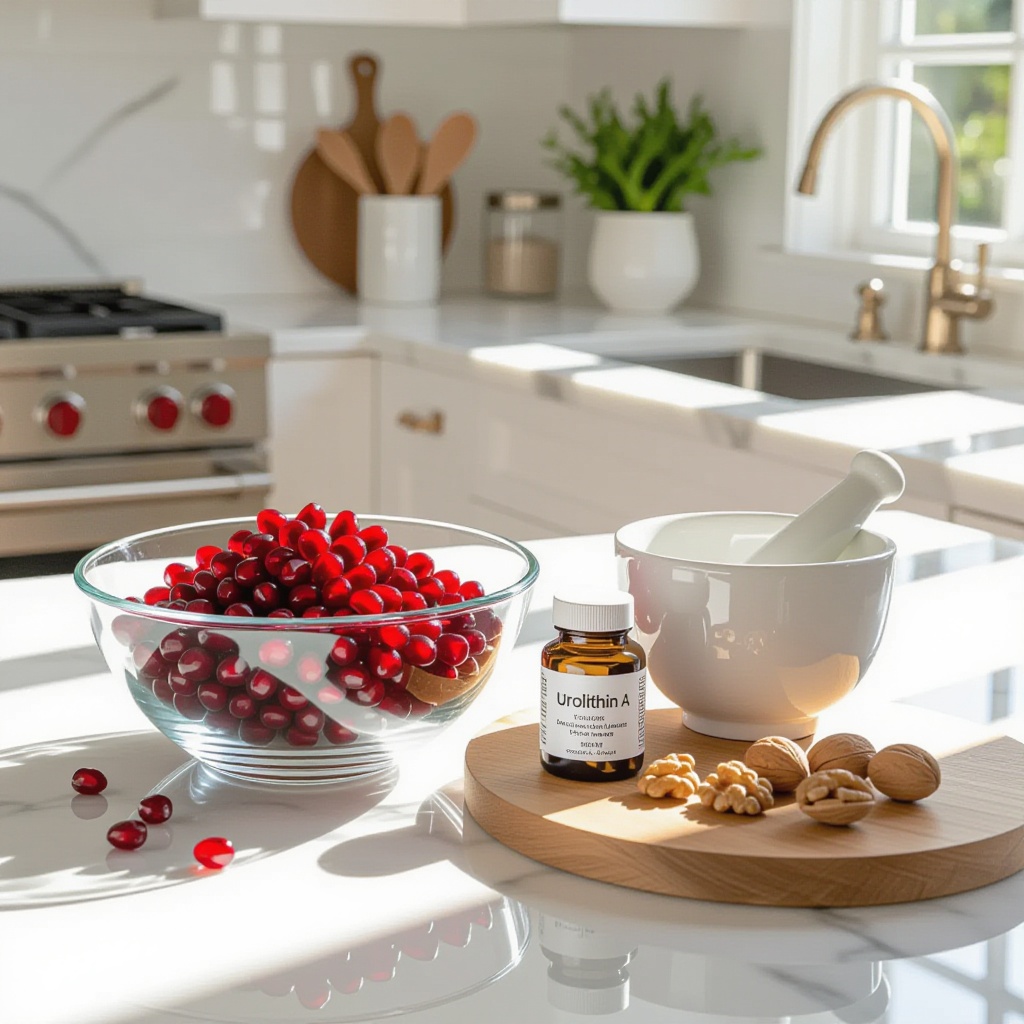
In addition to the dietary strategies mentioned, supplements can play a vital role. One such supplement is Urolithin A, found in Timeline Nutrition's products. This compound aids mitochondrial health and promotes a process called mitophagy, which helps rejuvenate cellular energy production. A link for a discount on Timeline Nutrition products is included in the description below.
Conclusion
While the presence of microplastics in our bodies is concerning, there are actionable steps we can take to mitigate their effects. By focusing on gut health through proper nutrition, hydration, and targeted supplements, we can enhance our body's natural ability to excrete these harmful particles. Remember, maintaining a healthy lifestyle is the best defense against the negative impacts of microplastics.