They Lied To You About Your Period
Dr. Eric Berg DCPublished on November 8, 2025
Summary authored by editor@wellifi.com
TLDR Summary
Menstrual cramps can often be traced back to a severe deficiency in Vitamin D3. By addressing this deficiency and incorporating lifestyle changes, women can effectively reduce or eliminate menstrual cramps.
Key Points
- Menstrual cramps can be primary (unknown cause) or secondary (related to conditions like fibroids or endometriosis).
- Conventional treatments often focus on symptom relief rather than addressing root causes.
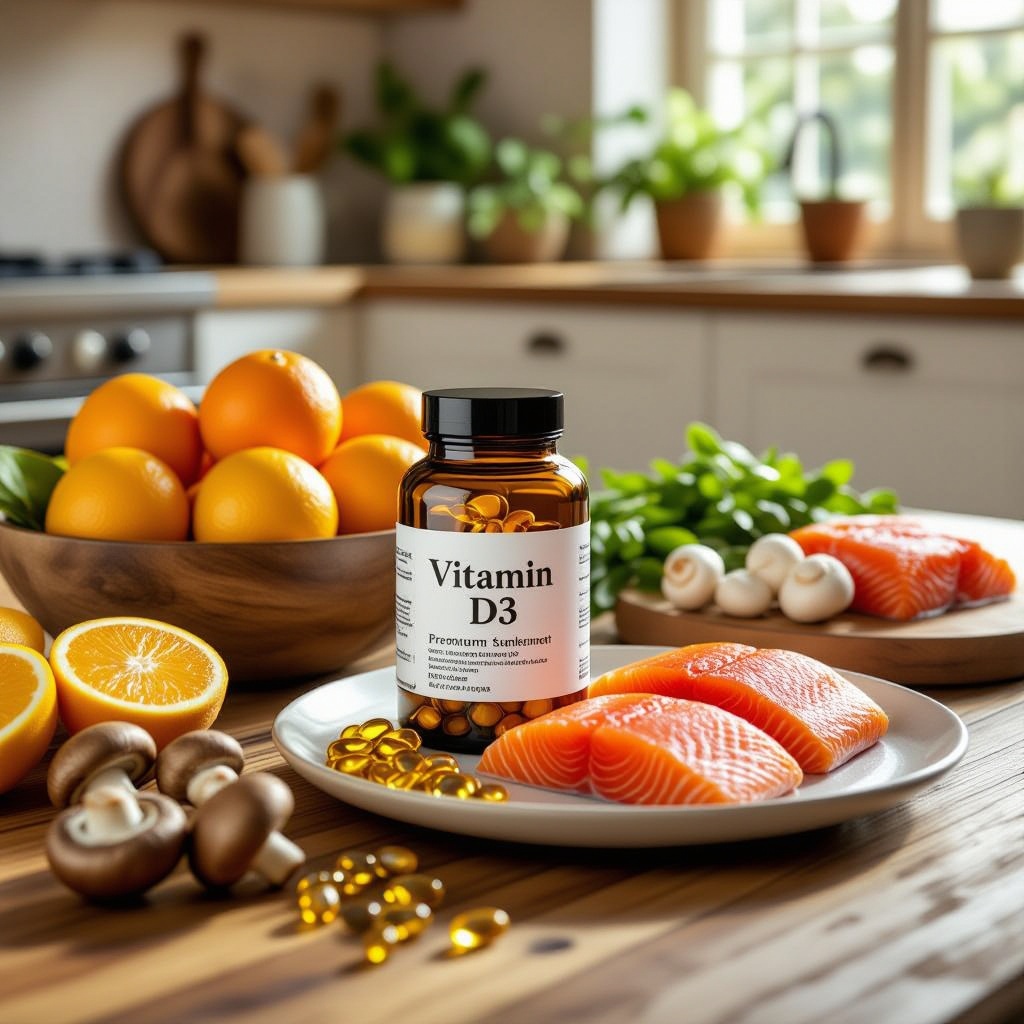
- Severe Vitamin D3 deficiency is identified as a key root cause of menstrual cramps.
- Increasing Vitamin D3 and magnesium intake can significantly alleviate menstrual cramps.
- Other effective remedies include cod liver oil, vitamin E, and regular exercise.
Say Goodbye to Menstrual Cramps: Understanding the Root Causes and Solutions
Menstrual cramps can be a painful and distressing experience for many women. In this article, we will explore the root causes of menstrual cramps and present effective solutions to alleviate this discomfort. By understanding these underlying issues, you can take proactive steps to reduce or even eliminate menstrual cramps in your life.
Understanding Menstrual Cramps
Menstrual cramps, or dysmenorrhea, can be categorized into two types: primary and secondary. Primary dysmenorrhea is idiopathic, meaning the cause is unknown, while secondary dysmenorrhea is related to underlying conditions such as fibroids, ovarian cysts, or endometriosis.
The Limitations of Conventional Treatments
Many women resort to non-steroidal anti-inflammatory drugs (NSAIDs), birth control pills, or synthetic progesterone to manage menstrual cramps. However, these treatments can come with side effects and often do not address the root cause of the problem.
The Root Cause of Menstrual Cramps
According to recent findings, the actual root cause of menstrual cramps is linked to a severe deficiency in Vitamin D3. Here's how Vitamin D3 is connected to various physiological processes that contribute to menstrual cramps:
- Prostaglandins: These pain chemicals are elevated during menstruation and are responsible for causing cramps.
- Vasopressin: This hormone causes contractions and reduced blood flow, contributing to the pain.
- Parathyroid Hormone: High levels can lead to muscle cramps and sensitivity.
- Inflammation: Elevated inflammation due to factors like NF-kB contributes to the severity of cramps.
Interestingly, women of African descent are at a higher risk for severe cramps and fibroids, likely due to lower Vitamin D levels caused by increased melanin in the skin.
Effective Solutions to Alleviate Menstrual Cramps
To tackle menstrual cramps effectively, consider these scientifically proven tips:
- Increase Vitamin D3 Intake: Aim for 6,000 to 10,000 IU of Vitamin D3 daily, especially if you have barriers to sun exposure.
- Supplement with Magnesium: Magnesium acts as a natural calcium channel blocker, helping to relieve cramps.
- Adopt a Low-Carb Diet: This can improve insulin sensitivity and enhance absorption of Vitamin D and magnesium.
- Try Cod Liver Oil: It has been shown to be effective for menstrual cramps.
- Incorporate Vitamin E: Focus on tocotrienols for better results.
- Include B Vitamins: Consider nutritional yeast for B1, B6, and other B vitamins.
- Ensure Sufficient Zinc: This mineral is crucial for Vitamin D absorption.
- Exercise Regularly: Physical activity has been shown to reduce the risk of menstrual cramps.
- Use Fenugreek: This natural remedy can be effective without side effects.
- Apply Heat: Using a heating pad on the lower abdomen can provide immediate relief.
- Try Ginger: It has been shown to be comparable to NSAIDs in reducing cramps.
Conclusion
By addressing the root cause of menstrual cramps—Vitamin D3 deficiency—you can take significant steps towards alleviating discomfort. Incorporating dietary changes, supplements, and lifestyle modifications can drastically improve your quality of life during menstruation.
For more information on Vitamin D3 and magnesium, be sure to check out our next video!